


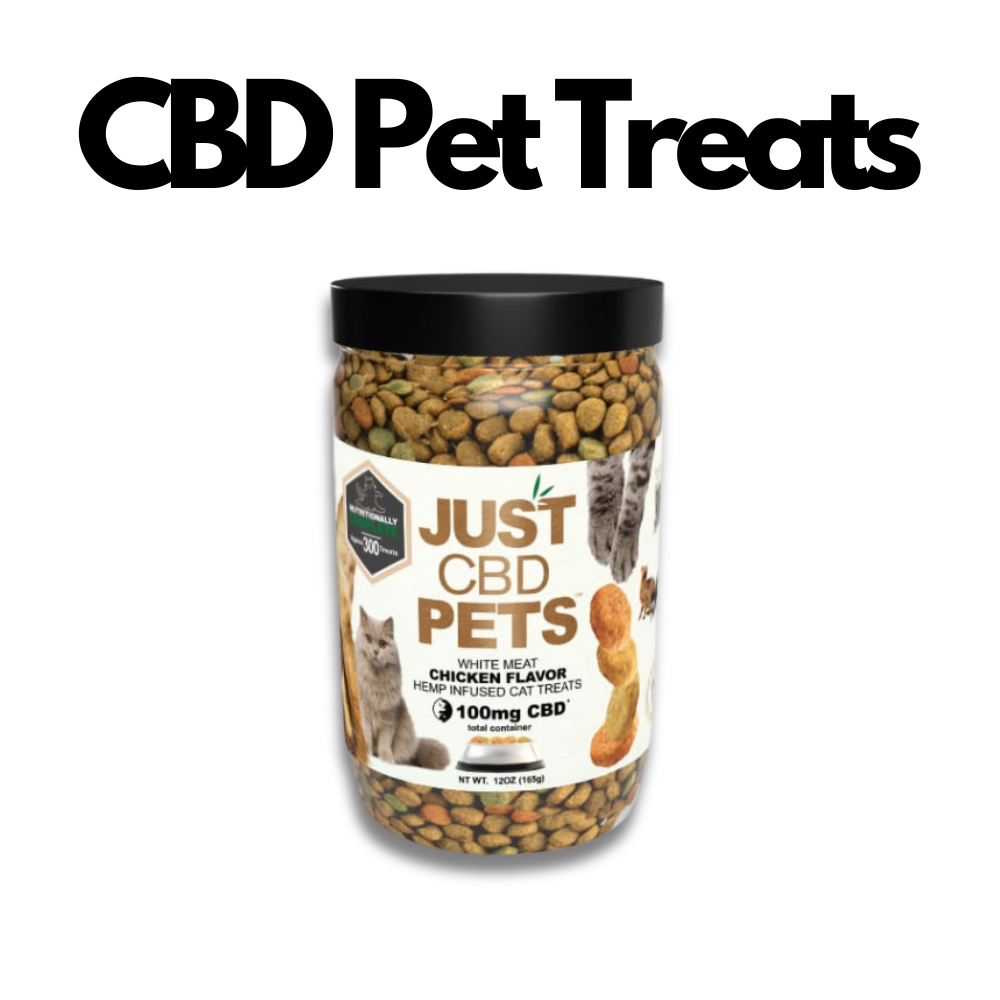
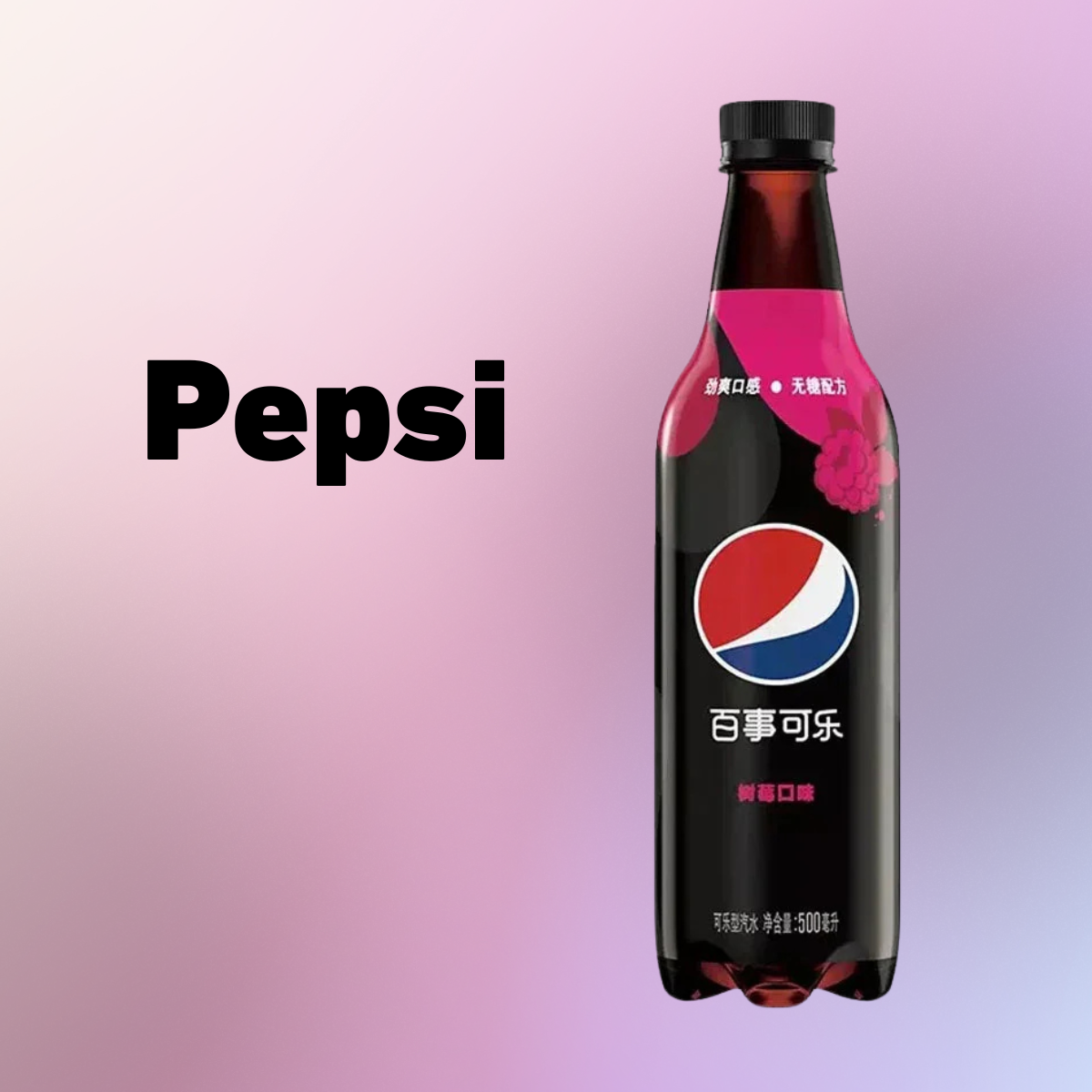
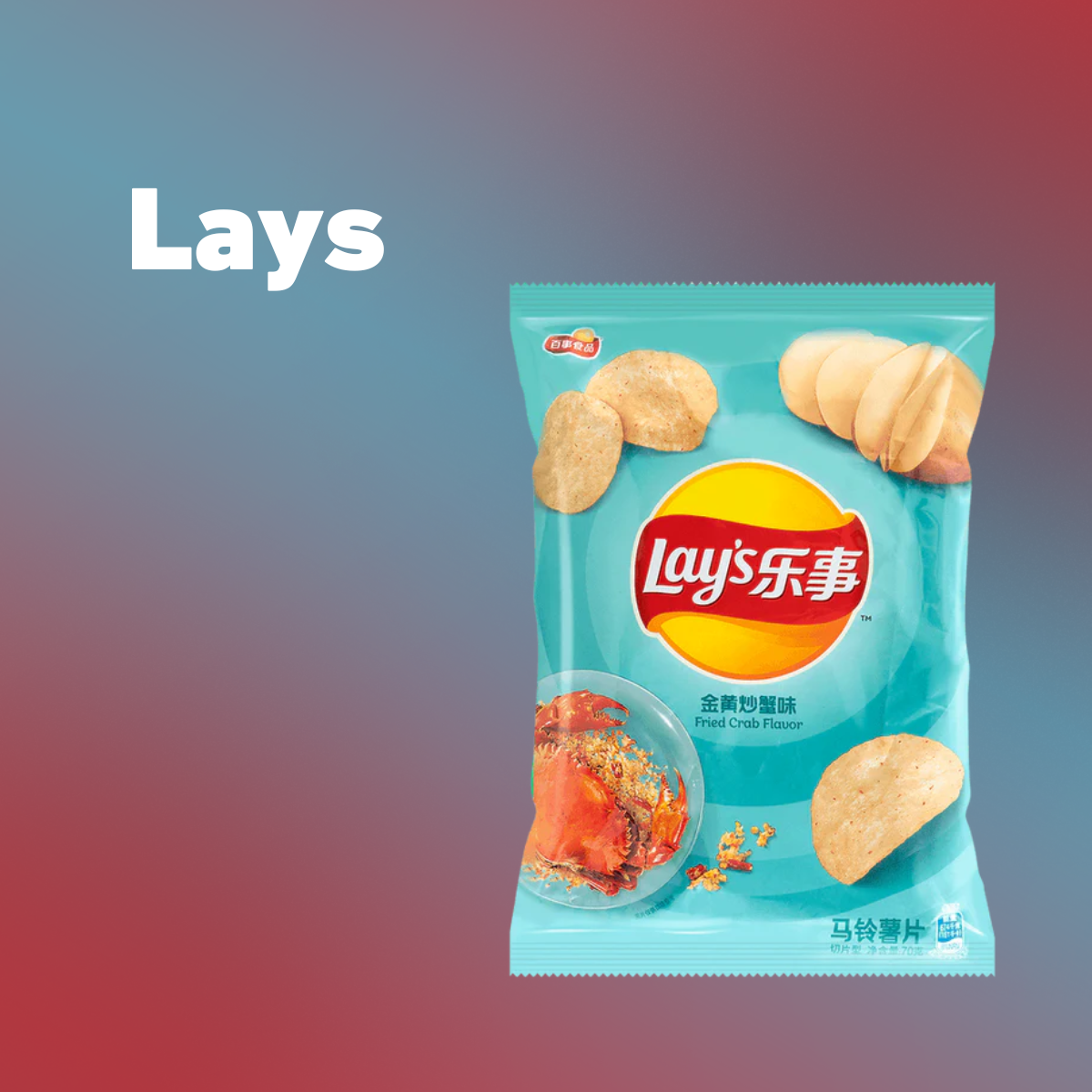


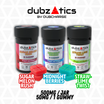

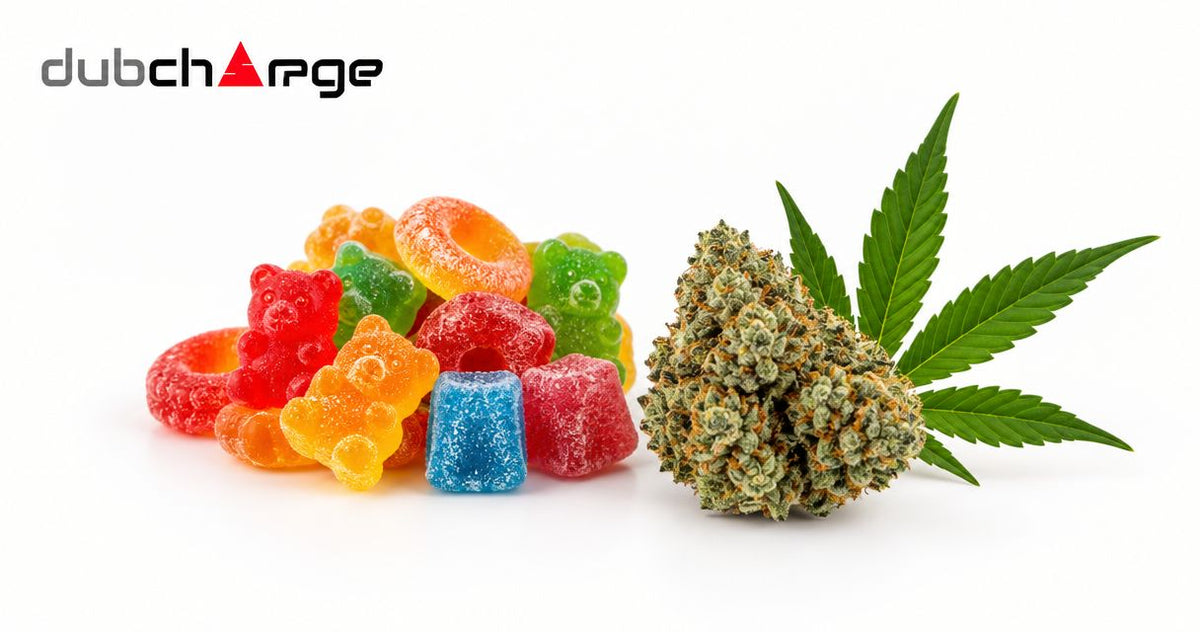
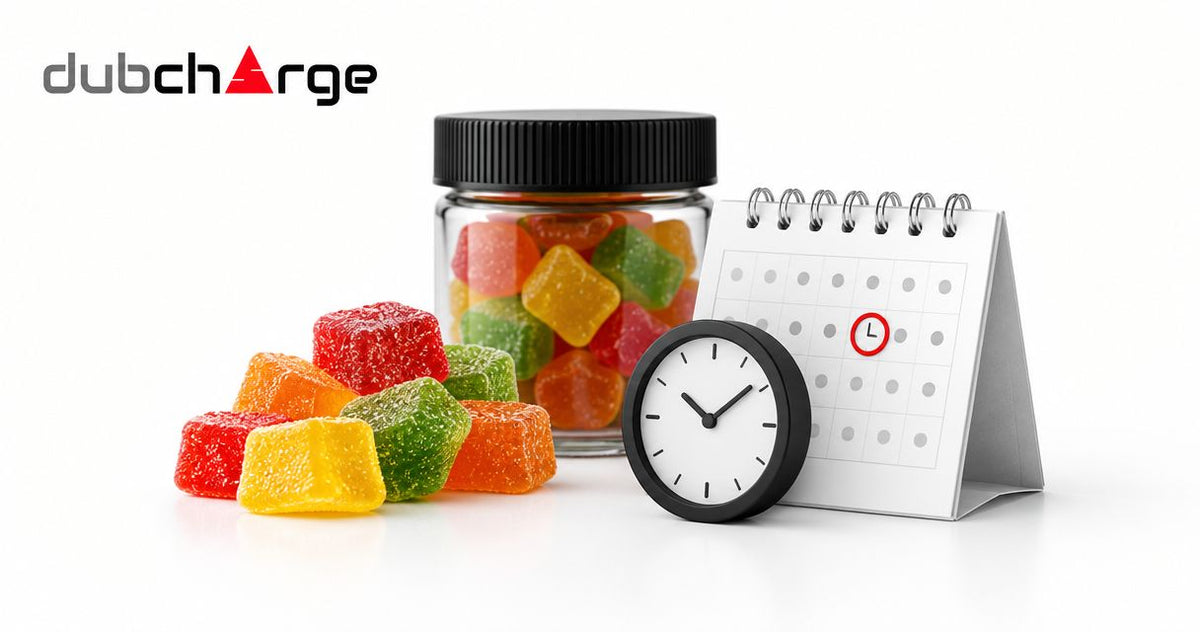
Cannabis edibles can be mistaken for ordinary candy because gummies, chocolates, and other infused sweets can share familiar shapes, colors, flavors, and food-style packaging. Once an edible is outside its labeled container, appearance cannot reliably identify THC; keep edibles in their original packaging inside locked storage, separate from ordinary food.
- Cannabis edibles candy confusion safety starts with locked storage, original labels, and separation from ordinary snacks.
- CDC warns that cannabis edibles can cause poisoning, including serious illness in children.
- Child-resistant packaging is not childproof; an unsecured container still creates an exposure risk.
- Call Poison Control immediately for suspected child ingestion; call emergency services for severe symptoms.
Why this matters
A child does not need to understand a label to recognize something that looks like candy. An adult can also mistake an unmarked gummy or shared dessert for ordinary food. The consequences extend beyond confusion: THC can cause impairment, and accidental ingestion can require emergency care.
CDC guidance on cannabis poisoning and FDA warnings about THC-containing foods identify accidental ingestion as a public-health concern. This Dubcharge cannabis education page focuses on preventing mistaken ingestion, not selecting products. For your 2026 household safety check, start with cannabis storage around children and pets.
Why can cannabis edibles be mistaken for ordinary candy?
Cannabis edibles can resemble ordinary sweets closely enough that appearance is not a dependable identification method. The overlap involves both the food itself and the way people encounter it: an open bag, a countertop container, or a sweet offered without an explanation.
FDA and FTC enforcement notices concerning copycat THC foods have specifically addressed packaging that resembles familiar snack brands. That does not mean every edible uses misleading packaging. It means familiar food cues cannot establish what a product contains.
| What you notice | Why confusion happens | What it cannot establish |
|---|---|---|
| Gummy or chocolate shape | Infused and ordinary sweets can share familiar forms | Whether THC is present |
| Fruit flavor or sugar coating | Sweetness does not identify active ingredients | Whether a piece is safe for a child |
| Familiar-looking package | Snack-style presentation can suggest ordinary food | Whether the contents match that impression |
| Loose pieces in a bowl | The original warning and ingredient information are missing | Identity, strength, or batch |
| Cannabis warning on a label | A readable warning helps an informed adult identify the contents | Whether a child understands or follows it |
Treat an unidentified sweet as unidentified—not as ordinary candy. Do not taste it to find out, and do not ask someone else to identify it by trying it.
Why appearance cannot settle the question
Color, texture, and smell are not validated household tests for THC. A gummy that looks ordinary can still contain an intoxicating ingredient, while unusual packaging alone does not prove that it does.
Keep the distinction clear: a package can provide information, but a visual impression cannot verify composition. Laboratory testing addresses specific substances in a submitted sample; looking at a piece does not.
Why the risk of candy confusion varies
The chance of mistaken ingestion changes with the setting and the information available. These factors explain the risk without assuming that every household or package is the same:
- Food resemblance: Familiar sweet shapes and flavors encourage people to interpret an edible as food.
- Packaging resemblance: Copycat snack presentation can obscure the difference between an intoxicating product and ordinary candy.
- Missing labels: Moving pieces into another container removes warnings, ingredient information, and batch details.
- Access: An unlocked drawer, bag, or bedside container allows someone to reach the contents.
- Shared spaces: Visitors, caregivers, and household members cannot act on information they have never received.
- Label comprehension: A printed warning cannot protect a child who cannot read or understand it.
Storage needs to address access as well as identification. A clearly labeled container left within reach still leaves a preventable exposure route.
What should you check on an edible label in 2026?
Read the original label before deciding how to store or handle an edible. Check the ingredient list, cannabinoid information, warnings, and identifying details together; no single phrase replaces the rest.
Ingredient identity
Look for the named cannabinoids and other active ingredients. Do not treat “hemp” as a statement that a food cannot cause intoxication, and do not assume every unfamiliar candy-like product contains the same substances.
An unclear ingredient list is unresolved information. Keep the item secured rather than guessing what it contains.
Serving and package information
Distinguish information about an individual serving from information about the whole package. When a label reports THC in milligrams, the unit describes an amount of substance—not whether accidental ingestion is harmless.
For an exposure call, read the wording exactly as printed. Do not convert an unclear label into a confident estimate, especially when you do not know how much was swallowed.
Batch identification
Keep the lot or batch identifier and the original container. Those details help connect a package to a laboratory report or an official recall notice.
A photo can preserve readable information, but it does not replace secure storage. Do not leave the opened package accessible while photographing it.
Warnings and jurisdiction
Packaging and labeling requirements differ across U.S. jurisdictions. A symbol used in one state is not a universal identification system, and a familiar-looking package does not establish legal compliance elsewhere.
For a 2026 label review, consult the relevant state regulator for current requirements. Avoid treating a seller's statement as an official determination of legality or safety.
Does a passing laboratory report make an edible safe?
No. A passing laboratory report does not establish that an edible is safe for a child, free of every possible contaminant, or accurately represented by every piece in a package. It reports results for the sample, methods, and analytes described in that document.
Match the report to the package before interpreting it. Check the batch identifier, laboratory identity, sample information, test dates, and the substances actually tested. A report for another batch does not verify the item in your hand.
Dubcharge's cannabis education on how to read a cannabis lab report addresses those distinctions. Laboratory results do not replace exposure prevention. Neither a potency result nor a contaminant pass makes an edible appropriate for accidental ingestion.
How should you store edibles to prevent candy confusion?
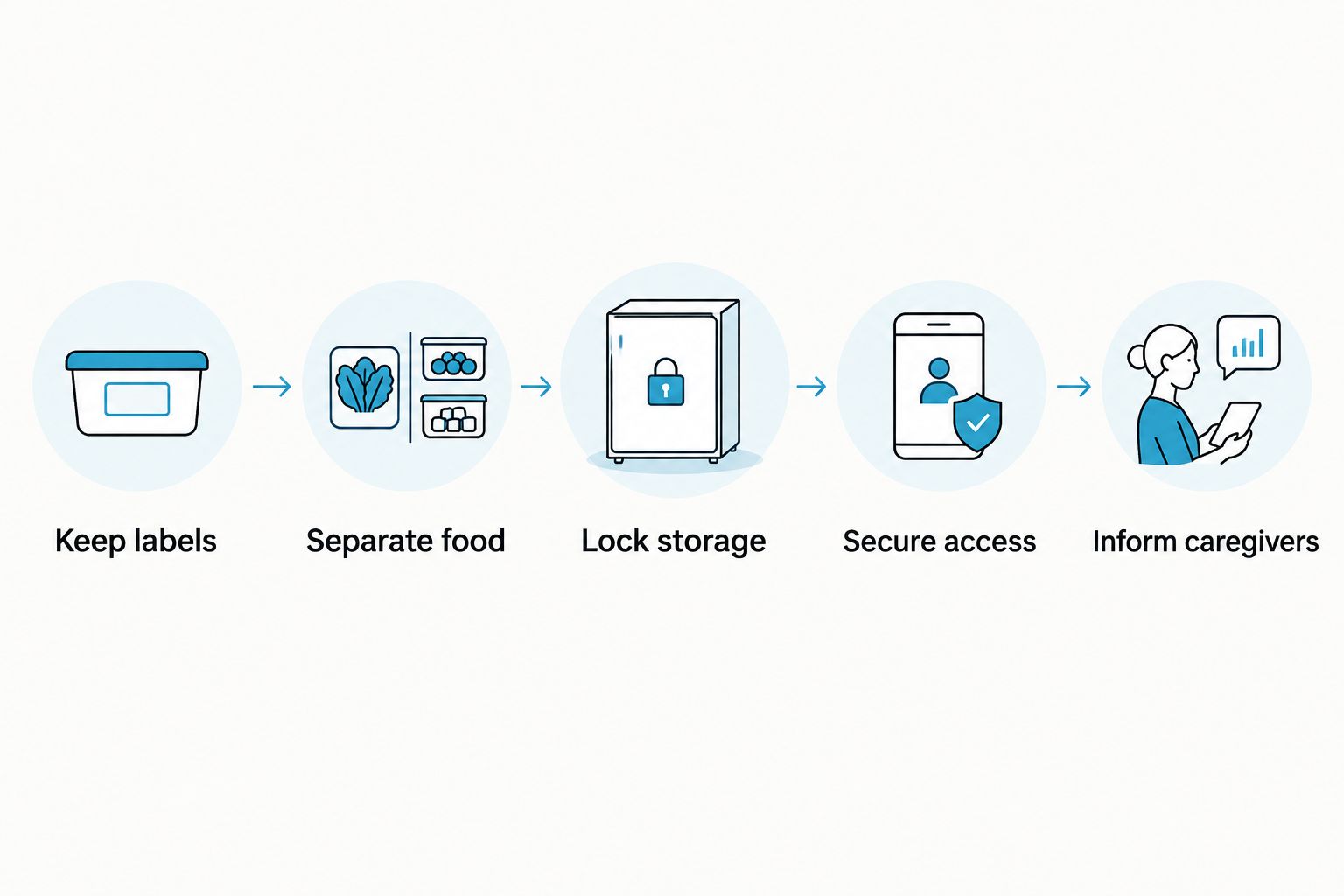
Use a storage process that preserves identification and restricts access. For your 2026 storage check, follow this sequence whenever an edible enters the home:
- Keep labels. Retain the original labeled packaging rather than transferring pieces into a candy jar or food-storage bag.
- Separate food. Keep edibles away from ordinary snacks, shared desserts, and food intended for children.
- Lock storage. Place the labeled package inside a locked container or locked cabinet that children cannot access.
- Secure access. Keep keys and access codes away from children, and close the storage area after every use.
- Inform caregivers. Tell other responsible adults where restricted items are stored and that they must remain secured.
The sequence matters because the original label and the lock solve different problems. A label supports identification; a lock restricts access.
Why isn't child-resistant packaging enough?
Child-resistant packaging is designed to make opening more difficult for young children; it is not childproof. The U.S. Consumer Product Safety Commission makes that distinction in its guidance on special packaging. A closure also cannot protect the contents when the package is left open.
An adult's understanding of how push-down caps work matters when securing a container: a closure has to be engaged as intended, not merely placed over the opening. Follow that container's instructions, and do not assume every closure works the same way.
A closed package and locked storage are separate protective measures. Check both, including packages kept in handbags, luggage, or other portable containers. Height alone is not a substitute for a lock.
What should you do if a child might have eaten an edible?
Call U.S. Poison Control at 1-800-222-1222 immediately if a child might have swallowed a cannabis edible. Do not wait for symptoms. Poison specialists assess the exposure and tell you what to do next.
Call 911 if the child collapses, has a seizure, has trouble breathing, or cannot be awakened. These are emergency warning signs identified in Poison Control guidance. The same emergency signs require urgent action in an adult.
While seeking help:
- Keep the original package available and read its information to the specialist.
- Report the person's age, symptoms, possible time of ingestion, and amount if known.
- Say clearly when the amount or ingredient is unknown.
- Do not induce vomiting or use a home remedy.
- Follow the specialist's instructions rather than assuming sleep will resolve the exposure.
Cannabis poisoning can involve marked sleepiness, confusion, vomiting, difficulty walking, or other changes. Symptoms do not reliably identify the exact substance swallowed, so professional assessment matters even when you suspect THC.
Can someone seem fine immediately after swallowing an edible?
Yes. A person can appear well initially and develop effects later. CDC guidance explains that ingested cannabis has delayed effects compared with inhaled cannabis; the absence of immediate symptoms does not rule out a significant exposure.
Do not use a symptom-free interval to decide that a child's suspected ingestion was harmless. For your 2026 emergency plan, keep 1-800-222-1222 accessible to caregivers and explain that suspected ingestion warrants an immediate call.
If an impaired adult needs medical attention, do not let that person drive. Describe the suspected exposure honestly to responders so they can assess it alongside other possible causes.
What should you do with recalled or unidentified edibles?
Stop using a recalled product and follow the issuing authority's instructions. Compare the notice with the package's product name, batch details, and other identifiers rather than assuming that all similar-looking items are affected—or unaffected.
Use official cannabis recall notices to understand what information to verify. A 2026 recall check should rely on the responsible regulator's current notice, not an undated screenshot or a seller's reassurance.
For disposal, keep unwanted edibles secured while you confirm local instructions. Do not give them away, leave them in an accessible wastebasket, or flush them unless an appropriate authority specifically directs that action. Disposal rules and available collection services differ by location.
FAQ
Can you tell whether a gummy contains THC by looking at it?
No. Shape, color, smell, and sugar coating cannot reliably identify THC. Keep an unidentified gummy secured and do not taste it to investigate.
What should I do if my child ate a cannabis gummy?
Call U.S. Poison Control at 1-800-222-1222 immediately, even if your child seems well. Call 911 for collapse, seizures, trouble breathing, or inability to wake the child.
Does child-resistant mean a child cannot open the package?
No. Child-resistant does not mean childproof. Keep the original package properly closed inside locked storage.
Can hemp edibles still cause intoxication?
Yes. A hemp description does not establish that an edible lacks intoxicating cannabinoids. Read the ingredient and cannabinoid information rather than relying on that word alone.
Is a passing cannabis lab report proof that an edible is safe?
No. A laboratory report describes testing of a particular sample for specified substances. It does not establish safety for children or eliminate every health risk.
Should I make someone vomit after accidental edible ingestion?
No. Do not induce vomiting or use home remedies. Contact Poison Control and follow the specialist's instructions for the specific exposure.
What is Dubcharge's cannabis edibles candy confusion safety guidance?
Keep edibles in their original labeled packaging inside locked storage, separate from ordinary food. Seek immediate Poison Control advice for suspected child ingestion rather than waiting for symptoms.
One last thing
Moving an edible into a candy jar removes safety information without changing its contents. That single household decision can separate the food from its warnings, batch identifier, and recall details.
Dubcharge's cannabis safety guidance comes down to preserving both barriers: keep identification attached to the item and keep access restricted. When either barrier is missing, secure the item before doing anything else.


Leave a comment
This site is protected by hCaptcha and the hCaptcha Privacy Policy and Terms of Service apply.