











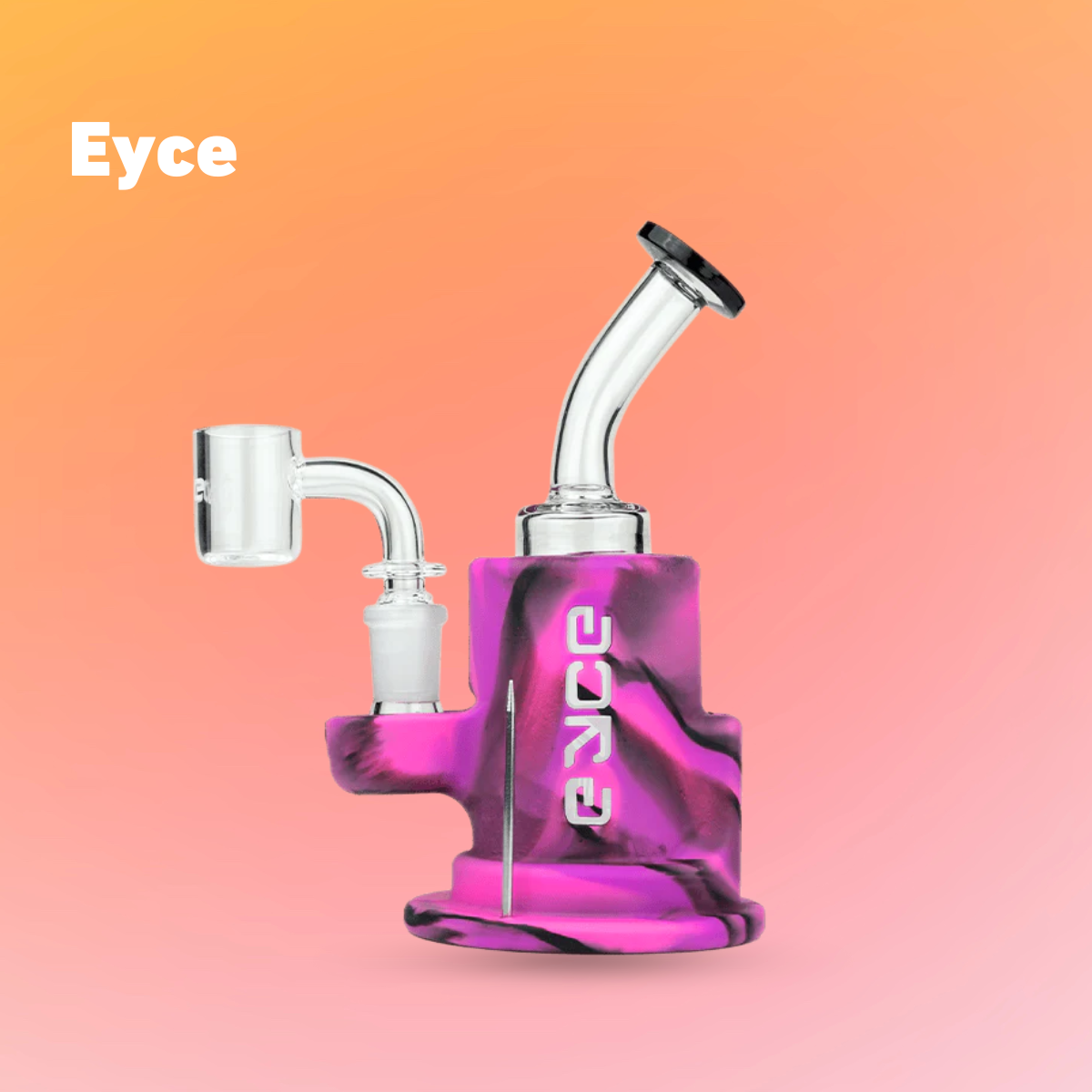







Clean silicone accessories with mild dish soap, lukewarm water, and a soft cloth or soft-bristled brush, then rinse thoroughly and let every surface dry before storage. Check the maker’s instructions first: attached glass, printed designs, adhesives, and removable seals can require different care from plain silicone. Avoid abrasive scrubbing, strong solvents, and high heat unless the instructions for that exact accessory permit them.
- Dubcharge’s guide explains how to clean silicone accessories with gentle hand-washing, thorough rinsing, and complete drying.
- Check care instructions before soaking silicone accessories that contain glass, metal, adhesives, or printed designs.
- Use soft cleaning tools; stop if silicone becomes sticky, swollen, cracked, or torn.
- Cleaning removes soil but does not establish that an accessory is disinfected.
How do you clean silicone accessories without damage?
Start with gentle hand-washing, not the strongest cleaner you own. This approach lets you inspect the accessory while removing ordinary surface dirt, without assuming that every part tolerates the same treatment.
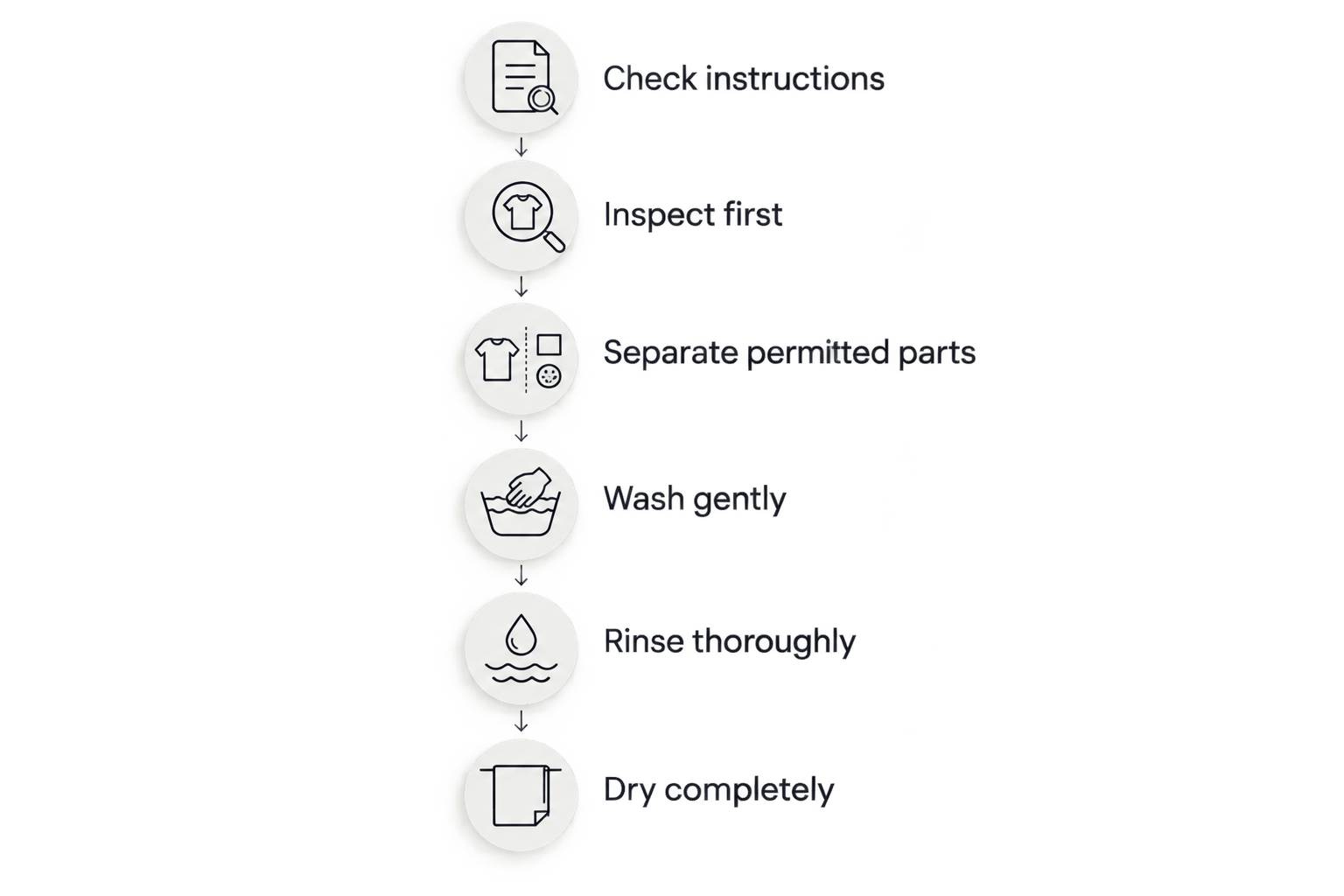
For your 2026 care routine, use the following sequence for non-electric accessories whose instructions permit washing. Keep electrical parts and anything marked wipe-clean-only out of the wash basin.
- Check instructions. Identify the material and any restrictions on soaking, detergents, heat, or machine washing. A flexible exterior does not prove that the whole accessory is silicone.
- Inspect first. Look for tears, loose inserts, chipped glass, lifting decoration, and damaged seams. Set damaged items aside rather than scrubbing around the problem.
- Separate permitted parts. Remove only pieces intended for routine removal. Do not pry out fitted glass, stretch tight openings, or dismantle bonded sections.
- Wash gently. Use mild dish soap and lukewarm water with a soft cloth or soft-bristled brush. Support thin edges while cleaning them, and avoid forcing tools into narrow openings.
- Rinse thoroughly. Work clean water over washable surfaces, folds, and accessible recesses until visible suds and slippery detergent residue are gone.
- Dry completely. Let water drain, then air-dry the accessory on a clean surface. Leave removable parts separate until their contact surfaces are dry.
For flat accessories, the guide to cleaning a silicone mat without lint covers the drying and surface-care concerns specific to mats.
Why this matters
Silicone accessories are not always single-material objects. A washable silicone sleeve can surround fragile glass, while a soft storage accessory can include fabric, metal hardware, or glued decoration. The care limit belongs to the complete item, not just its most visible material.
Dubcharge’s silicone accessory care guide is best for owners who need routine cleaning instructions, not repair or disinfection advice. Use this 2026 guide for ordinary material care; follow the manufacturer’s directions when the accessory needs a specialized cleaning process.
A clean appearance is also a limited check. Removing visible dirt does not prove that an item is disinfected, and removing an odor does not confirm that all contamination is gone. Keep those goals separate when deciding whether ordinary washing is enough.
Which cleaning method should you use?
Choose a method based on the accessory’s care instructions and construction. The table below compares cleaning approaches, not different grades of silicone: an unspecified material label does not establish solvent, heat, or dishwasher compatibility.
| Method | Best for | Advantage | Limitation |
|---|---|---|---|
| Gentle hand-washing | Washable, non-electric accessories | Lets you control pressure and inspect surfaces | Requires attention to folds and thorough rinsing |
| Damp-cloth wiping | Exteriors marked wipe-clean-only | Limits water exposure | Does not clean inaccessible internal areas |
| Soaking | Accessories whose instructions expressly allow it | Keeps approved surfaces in contact with the wash solution | Can expose adhesives, inserts, or hidden parts to water |
| Dishwasher cleaning | Items explicitly labeled dishwasher-safe | Provides a machine-washing option | Heat, detergent, and placement restrictions still apply |
| Manufacturer-approved specialty cleaner | Soil not removed by ordinary washing | Provides a purpose-specific option | Compatibility and rinsing requirements must match the item |
Gentle hand-washing is the default recommendation for washable accessories. Its limit is straightforward: soap and a soft cloth will not resolve every stain, odor, or damaged surface. If the first wash does not solve the problem, identify what remains before changing methods.
Do not treat dishwasher-safe, boil-safe, and solvent-compatible as interchangeable claims. Each describes a different exposure. Permission for one method is not permission for the others.
How should you clean plain silicone accessories?
For an accessory confirmed to be plain, washable silicone, clean accessible surfaces with mild dish soap and a soft tool. Turn the item in your hands so you can inspect both sides rather than repeatedly scrubbing the same visible area.
Support flexible corners and thin sections. Pulling an edge tight to reach a mark places unnecessary strain on it, especially around existing nicks. Use a smaller soft brush only when it fits freely; a tool that jams into an opening is the wrong size.
Pay attention to the underside of rims and the base of folds. These areas are easy to miss during washing and rinsing. Move the accessory gently enough to expose them without turning it inside out unless its instructions allow that movement.
A stain that remains after washing is not an instruction to scrape harder. Inspect the surface for raised residue, damage, or a change in texture, then check the maker’s guidance before trying another cleaner.
How should you clean silicone accessories with glass or metal?
Treat mixed-material accessories according to the most restrictive care instructions. Silicone’s flexibility does not protect an attached glass component from impact, and a washable outer surface does not establish that enclosed hardware tolerates soaking.
Remove glass only when the maker identifies it as removable for cleaning. Work over a clear, stable surface, and keep separate pieces from knocking together. Never twist or pull harder to overcome an unexplained resistance.
Clean each permitted component using its own care directions. Let all contact surfaces dry before reassembly, including recesses beneath sleeves or around removable fittings. An exterior can feel dry while water remains between parts.
For your 2026 cleaning checklist, keep material-specific instructions with the accessory rather than relying on memory. A photo of the care label is more useful than assuming a similar-looking item has identical construction.
Why silicone accessory cleaning methods vary
The right cleaning method depends on more than whether an accessory feels soft. Check these factors before changing your routine:
- Material identification. Silicone, rubber, and other flexible plastics do not automatically share cleaning instructions. Confirm the material rather than judging by touch.
- Mixed construction. Glass inserts, metal parts, fabric, and adhesives can limit soaking or detergent choices.
- Surface decoration. Printed markings and applied finishes need their own compatibility check. Do not scrub them as though they are bare silicone.
- Shape and access. Folds, narrow openings, and overlapping sections affect how easily you can wash, rinse, and dry the item.
- Existing condition. Tears, swelling, persistent tackiness, and loose components change the decision from routine cleaning to condition assessment.
- Manufacturer restrictions. Heat limits, approved cleaners, and dishwasher instructions apply to the exact item, not the material category as a whole.
When instructions conflict, follow the more restrictive direction for the assembled accessory. Do not expose an entire item to a cleaning process approved for only one removable component.
Can you use alcohol, bleach, vinegar, or boiling water?
Do not use these treatments as universal shortcuts. A cleaner’s suitability depends on the exact material formulation, attached parts, and the manufacturer’s directions; household familiarity does not establish compatibility.
Alcohol or another solvent should be used only when the accessory’s instructions explicitly permit it. Do not copy a cleaning method intended for bare glass onto silicone sleeves, printed surfaces, or bonded parts.
Boiling also requires explicit approval. Even if one component tolerates heat, another component can set a lower limit. Handle hot water cautiously, and do not transfer hot glass directly into cold water.
Never mix cleaning chemicals. Bleach must not be mixed with vinegar, other acids, or ammonia-containing cleaners because hazardous gases can result. The guide to household cleaning chemicals you should never mix explains this separate safety issue.
For a 2026 household cleaning routine, keep ordinary washing and chemical disinfection as separate decisions. If disinfection is necessary, use a process specifically approved for both the item and that purpose rather than improvising a mixture.
What should you do if silicone stays sticky or smells after washing?
Persistent stickiness needs inspection, not automatic escalation to a stronger cleaner. Rinse again to rule out remaining detergent, let the item dry, and check whether its texture returns to normal. If tackiness remains, stop using the accessory while you check its care guidance.
For lingering odor, inspect folds and removable parts for missed soil or trapped moisture. Repeat the permitted wash-and-rinse process if needed, then dry the parts separately. Avoid fragranced sprays that mask the smell without addressing its source.
Stop cleaning if the silicone swells, softens unexpectedly, cracks, tears, or sheds material. Do not trim away damaged sections, patch an opening, or glue a torn component back together. Those actions are repairs, not routine care.
A persistent mark alone does not tell you whether an item is clean or safe. Assess the surface condition and follow the maker’s replacement guidance rather than making that decision from color alone.
How do you dry and store silicone accessories?
Let washable accessories drain where air can reach their wet surfaces. Arrange removable parts separately, and reposition items if a rim or hollow section is holding water. Do not seal them inside a bag while they are still damp.
Use a clean, soft cloth if you need to remove surface water. A cloth that leaves fibers creates another cleaning task, so check both the cloth and the accessory before packing anything away. Avoid rubbing delicate decoration during drying.
Store the dry accessory without sharp objects pressing against it. Keep glass components supported and avoid tightly compressing flexible pieces into shapes they were not designed to hold. Leave enough space to retrieve the item without pulling on thin edges.
For 2026 storage, make the final check simple: dry surfaces, intact parts, and no trapped debris. A storage bag protects an accessory only when the bag itself is clean and suitable for the item.
FAQ
What’s the safest way to clean silicone accessories?
Gentle hand-washing with mild dish soap, lukewarm water, and a soft cloth is the starting method for accessories whose instructions permit washing. Rinse thoroughly and let all parts dry before storage.
Can I put silicone accessories in the dishwasher?
Use a dishwasher only when the manufacturer explicitly labels the exact accessory dishwasher-safe. Follow any restrictions on placement, detergent, temperature, and removable parts.
Can I clean silicone accessories with rubbing alcohol?
Use rubbing alcohol only when the accessory’s manufacturer explicitly approves it. Attached parts, surface decoration, and adhesives can have different cleaning limits from plain silicone.
Why does my silicone accessory feel sticky after cleaning?
A sticky feel can come from remaining residue or a change in the material, so rinse again and inspect the dry surface. Stop using the accessory if tackiness persists or you notice swelling, cracking, or shedding.
How long should I soak a silicone accessory?
Follow the soaking time in the manufacturer’s instructions rather than applying a universal duration. If soaking is not approved, use the permitted wiping or washing method instead.
Does washing silicone with dish soap disinfect it?
Washing with dish soap does not establish that silicone is disinfected. Disinfection requires an appropriate product or process approved for the accessory and the intended purpose.
What does Dubcharge recommend for drying silicone accessories?
Dubcharge recommends drying washable silicone accessories completely before storage. Keep removable parts separate until their contact surfaces are dry, and check folds or recesses for trapped water.
One last thing
Check beneath removable sleeves before putting an accessory away. The visible exterior is not the whole drying surface: overlapping parts can hide water that you missed during the first inspection. Separate only what the manufacturer permits, and store the item only after those contact surfaces are dry.


Leave a comment
This site is protected by hCaptcha and the hCaptcha Privacy Policy and Terms of Service apply.