









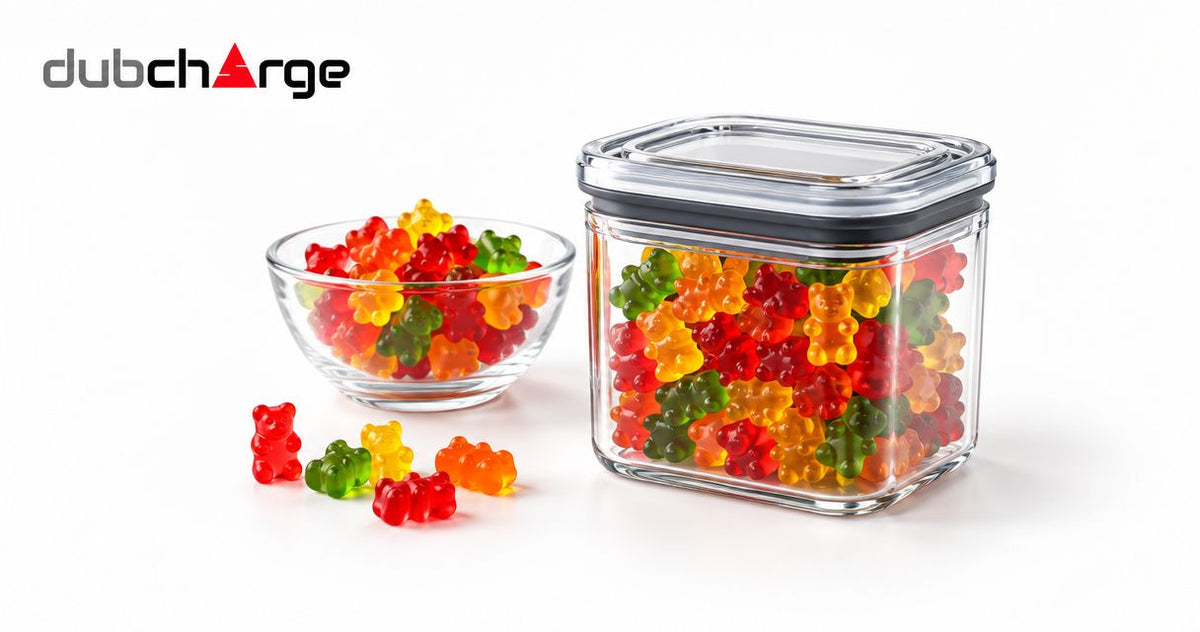
Store gummy candy in a tightly sealed bag or airtight food container in a cool, dry cupboard, away from sunlight and heat. Keep the original storage instructions and ingredient label with it; refrigeration is not the default unless the package requires it, because cold changes the chew and condensation can make the surface wet.
- For how to store gummy candy, choose airtight packaging and a cool, dry cupboard unless the label says otherwise.
- DubCharge’s gummy candy storage guidance covers ordinary, non-infused sweets; the package instructions take priority.
- Keep gummy candy separate from cookies, sour coatings, and strongly scented foods.
- Do not add bread, fruit, or water to soften stored gummies; prevent moisture loss instead.
How do you store gummy candy so it stays soft?
Limit air exposure, avoid temperature swings, and keep outside moisture out. Soft gummies contain moisture within their candy structure. Leaving a bag open allows that moisture to escape, while damp conditions can leave the surface sticky.
This DubCharge guide covers ordinary, non-infused gummy candy. Follow the instructions on your exact package rather than assuming every gummy needs identical storage.
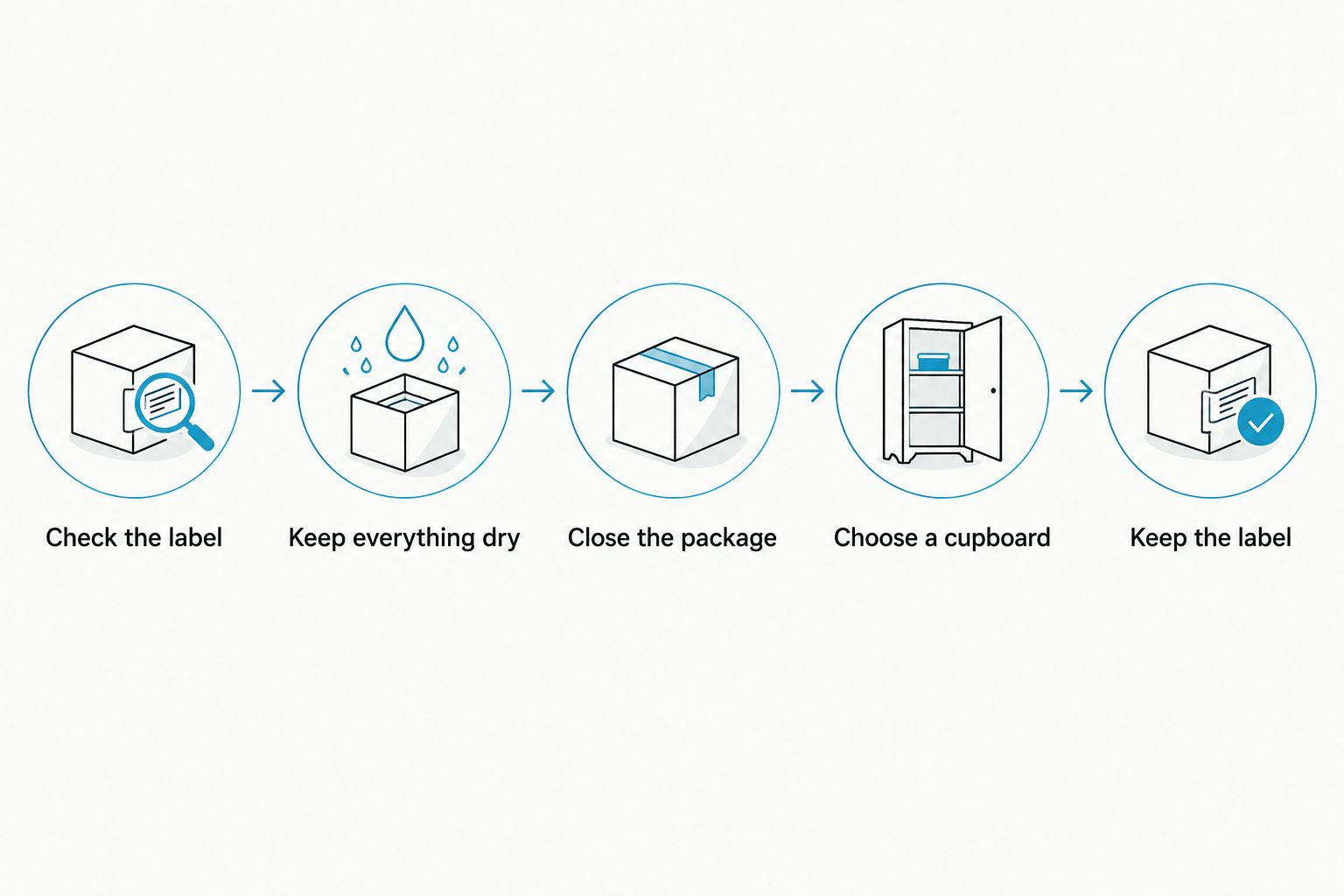
Follow this storage routine
- Check the label. Read storage directions, the date marking, ingredients, and allergen information before discarding any packaging. A manufacturer’s specific instruction takes priority over general candy advice.
- Keep everything dry. Use clean, dry hands or a dry utensil when handling the candy. A freshly washed container must be completely dry before you fill it.
- Close the package. Clear candy pieces and sugar crystals from a resealable track, then press it shut across its full width. A folded bag alone is not an airtight seal.
- Choose a cupboard. Pick a location away from the stove, dishwasher, sunny window, and other heat or steam sources. Avoid storing candy in a vehicle.
- Keep the label. If you transfer gummies, retain the original wrapper or attach the relevant label information to the container. Do not mix older leftovers with a newly opened bag.
A good routine prevents repeated exposure rather than trying to reverse damage later. Take out the portion you want, close the main pack, and return it to storage instead of leaving it open beside you.
Why this matters
Softness and food safety are different checks. A firm gummy is not automatically spoiled, and a soft gummy is not automatically safe. Storage advice helps protect texture; it does not replace package directions or make damaged food safe to eat.
The goal is to preserve the candy’s original texture, not make every gummy equally soft. Recipes, coatings, and shapes differ. A naturally firm gummy will not become a soft-center candy just because you move it into a better container.
Original bag or airtight container: which is better?
Use the original bag when its closure works and the packaging is undamaged. Transfer the candy when the bag cannot close securely, not simply because a jar looks tidier.
| Storage option | Best for | Advantage | Limitation |
|---|---|---|---|
| Original resealable bag | Candy with an intact, working closure | Keeps storage directions and ingredients with the candy | Sugar or damaged tracks can prevent a complete seal |
| Airtight food container | Open bags without a reliable closure | Provides a reusable barrier against outside air and moisture | Must be completely dry; the label needs to stay with it |
| Sealed food-storage bag | A compact alternative to a rigid container | Lets you gently press out excess air before closing | Sharp folds, punctures, or incomplete seals reduce protection |
| Open serving bowl | Candy you are serving now | Makes portions easy to reach | Exposes gummies to room air, handling, and humidity |
Original resealable bag
Best for: keeping the candy and its instructions together. Check the closure rather than assuming a resealable label means the bag is fully shut. Run your fingers along the track and inspect the corners.
The drawback is wear. If the bag tears or the closure stops meeting cleanly, move the remaining candy to a dry food container and keep the wrapper with it.
Airtight food container
Best for: replacing a bag that no longer seals. Choose a food-storage container with an intact lid and seal. It should close without forcing candy against the rim.
An airtight container protects texture only when you use it correctly. Trapped rinse water, damp utensils, or frequent opening can undermine the benefit. Wash and dry the container between batches instead of continually topping it up.
Sealed food-storage bag
Best for: small amounts that need a compact package. Gently remove excess air before sealing, without crushing the candy. Keep the original label nearby or place the closed original wrapper inside the outer bag when practical.
A thin bag is easier to puncture than a rigid container. Store it away from sharp packaging edges and check the seal after each opening.
Why gummy candy texture varies during storage
Several factors explain why one bag stays chewy while another becomes firm or sticky. Fix the storage condition rather than assuming all texture changes have the same cause.
- Air exposure: An open or poorly sealed package allows moisture exchange with the surrounding air. Dry conditions can leave gummies harder over time.
- Heat: Warm storage can soften gummies excessively, make pieces stick together, or distort their shape. A sunny shelf is not equivalent to a shaded cupboard.
- Humidity: Moist air and steam can affect the surface, especially on sugar-coated candy. Keep the container away from cooking and dishwashing areas.
- Temperature changes: Moving cold candy into a warm room can cause condensation when moist air contacts the cold surface. Avoid unnecessary trips between the refrigerator and cupboard.
- Recipe and coating: Different gelling ingredients, moisture levels, and surface coatings produce different textures. Compare the same product with itself, not every gummy with every other gummy.
- Repeated handling: Wet hands, damp utensils, and prolonged serving expose candy to conditions the sealed package normally keeps out.
Should you refrigerate gummy candy to keep it soft?
Refrigeration is not the default way to keep shelf-stable gummies soft. Cold can make candy feel firmer, and opening a cold package in warm, humid air can introduce condensation. Use the cupboard when the package permits ordinary room-temperature storage.
If the label requires refrigeration, follow it. If you have refrigerated a package that does not require continuous cold storage, leave it sealed while it returns toward room temperature before opening. That reduces contact between cold candy and humid room air.
Do not alternate between cold and warm storage to chase a softer texture. A stable location and a reliable seal are more useful than repeated temperature changes.
Can you make hard gummy candy soft again?
Hard gummies do not have a guaranteed home-storage fix. If they are simply cold, allow the closed package to reach room temperature before judging the texture. If they have dried out, resealing prevents further exposure but does not reliably restore their original chew.
Do not put bread, apple slices, a wet paper towel, or loose water into the container. These introduce uncontrolled moisture, and perishable additions create another food-storage problem. Do not microwave the whole bag as a storage remedy; heating can melt the candy and leave dangerously hot spots.
Check the date, packaging condition, and manufacturer’s guidance before deciding what to do. Discard candy with mold or evidence of contamination rather than trying to soften it.
How long will gummy candy stay soft after opening?
There is no single after-opening timeline for every gummy candy. The recipe, packaging, storage conditions, and manufacturer’s directions determine what applies to your bag. A universal promise would ignore those differences.
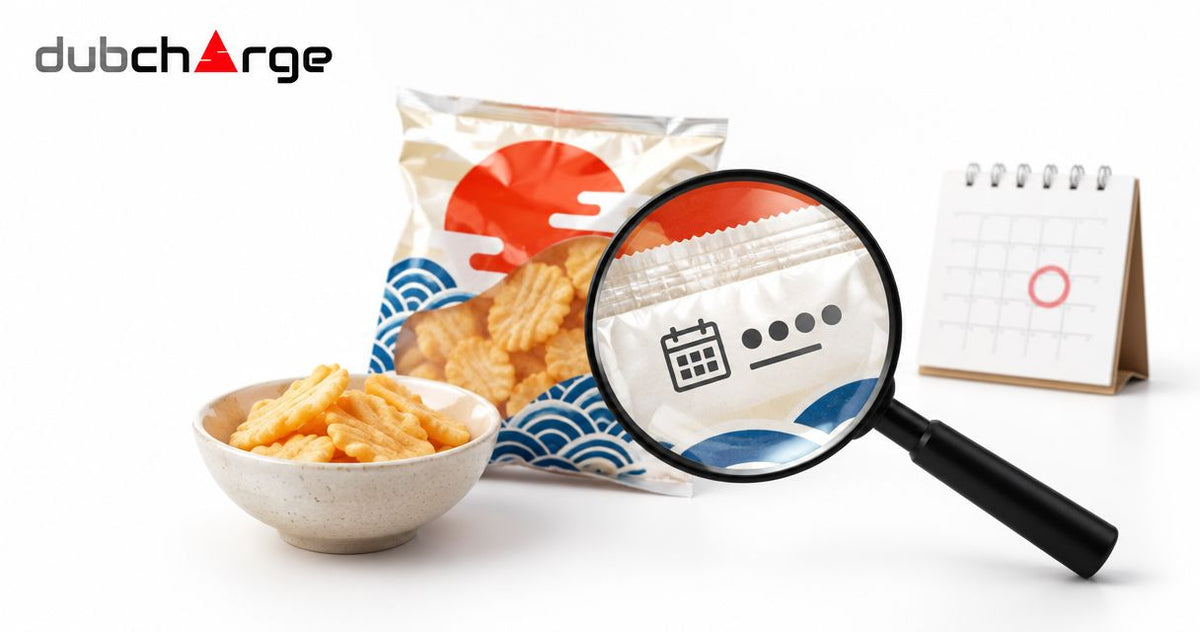
Keep the printed date information and follow any after-opening instruction. If none is supplied, do not invent a new expiration date based on a general online tip. Opening the bag does not turn its printed date into a guaranteed period of freshness.
For texture, check how the candy compares with its original condition. For safety, follow the label and reject signs of contamination. Tasting questionable candy is not a reliable safety test.
Keep different candies in separate containers
Store gummies separately from foods with different moisture needs. A mixed snack jar combines textures that do not benefit from the same conditions. Crisp cookies need protection from moisture, while soft gummies need protection from drying out.
Keep sour-coated gummies separate from plain gummies when storing leftovers. Loose coating can transfer between pieces, and mixed candy makes it harder to preserve each product’s original texture and label information.
Separate storage also matters for allergens. Do not combine candies and then rely on memory about which package listed which ingredient. An imported version can have a different recipe from a familiar domestic version; read the exact package you have.
For a snack tray, put out a portion rather than emptying every package. Keep the remaining candy sealed, and do not return shared, handled leftovers to the main container.
What should you check when gummies become sticky?
Start with the storage location and package. A container beside a kettle, an open bag near a dishwasher, or candy left in direct sunlight points to a preventable exposure problem.
Move an intact package to an appropriate location and follow its instructions. Do not assume refrigerating sticky candy will reverse the change or prove that it is safe.
Inspect the candy and container before keeping them. Mold, pests, or suspected contamination are reasons to discard the contents. Do not rinse gummies and put them back into storage; that adds moisture without establishing safety.
Also distinguish an expected coating from a new change. Some candy is naturally tacky, while other candy begins dry and sugar-coated. Your reference is the product’s original condition and label, not a rule that every gummy should feel dry.
FAQ
What’s the best place to store gummy candy?
A cool, dry cupboard away from sunlight, heat, and steam is the default location when the package allows room-temperature storage. Keep the candy in a securely sealed bag or airtight food container.
Is an airtight jar better than the original gummy bag?
An airtight jar is better when the original bag cannot close securely. A working resealable bag is also suitable and keeps the storage directions, ingredients, and date information with the candy.
Should I put gummy candy in the fridge after opening?
Do not refrigerate gummy candy automatically after opening; follow the package instructions. Cold can firm the texture, and opening cold candy in humid air can cause condensation.
Can I put bread in a bag of gummies to soften them?
Do not add bread to stored gummies as a softening method. It introduces uncontrolled moisture and a perishable food into the container without a reliable way to restore the candy’s original texture.
Why are my gummy candies getting hard?
Gummies can become hard when they lose moisture through air exposure, although cold can also make them feel firmer. Check the seal and storage location before assuming the recipe has changed.
Can I store sour gummies with regular gummies?
Separate containers are better for preserving sour and plain gummies as they came from their packages. Mixing them transfers loose coating and separates pieces from their ingredient and allergen information.
Does gummy candy have a fixed shelf life after opening?
Gummy candy does not have one universal shelf life after opening. Follow the exact package’s storage directions and date information rather than applying an unsupported timeline to every recipe.
One last thing
Check the seal before replacing the candy. Sugar caught in a closure or a small tear can explain why a bag keeps drying out despite being stored in the right cupboard. Fixing the container is more useful than adding another storage trick.
Keep the wrapper even when you transfer the contents. It carries the instructions, ingredients, and date information that a plain jar cannot provide.


Leave a comment
This site is protected by hCaptcha and the hCaptcha Privacy Policy and Terms of Service apply.