










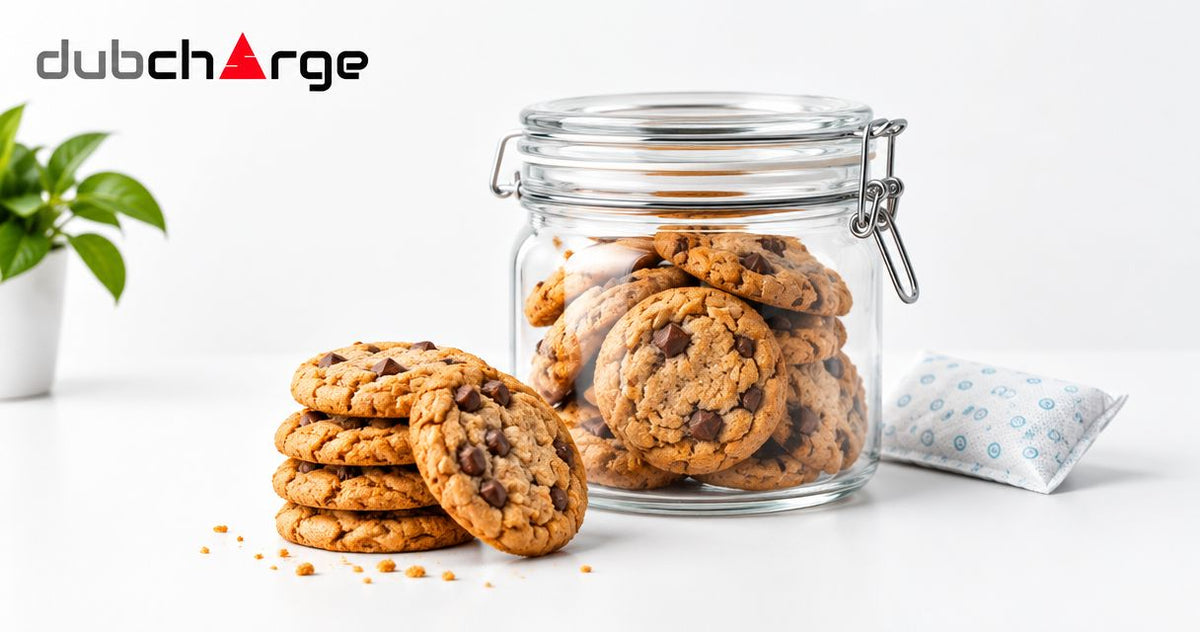
To keep imported cookies crisp after opening, close the inner packaging tightly, place it inside a clean, dry, airtight container, and store it away from heat and humidity unless the package directs otherwise. Keep crisp cookies separate from soft snacks, and save the original label because storage directions, ingredients, and date formats differ between packages.
- How to keep cookies crisp after opening: use dry, airtight storage and follow the exact package directions.
- DubCharge lists imported Oreo and Chips Ahoy cookies; choose storage by cookie format, not brand alone.
- Keep crisp biscuits separate from soft cookies, bread, fruit, and other moisture sources.
- Retain the original wrapper so ingredients, allergens, dates, and storage instructions stay with the cookies.
Why this matters
A cookie loses its snap when it absorbs moisture. An open sleeve, a loose lid, or storage beside soft baked goods gives that moisture a route in, even when the cookies still look unchanged.
The best storage method controls moisture without losing the package information. For imported snacks from DubCharge, that means checking the exact wrapper rather than applying instructions from a familiar domestic version. A similar name does not establish an identical recipe or storage requirement.
How do you keep imported cookies crisp after opening?
Use this sequence whenever you open a package of ordinary, non-infused cookies. Package-specific instructions take priority over general pantry advice.
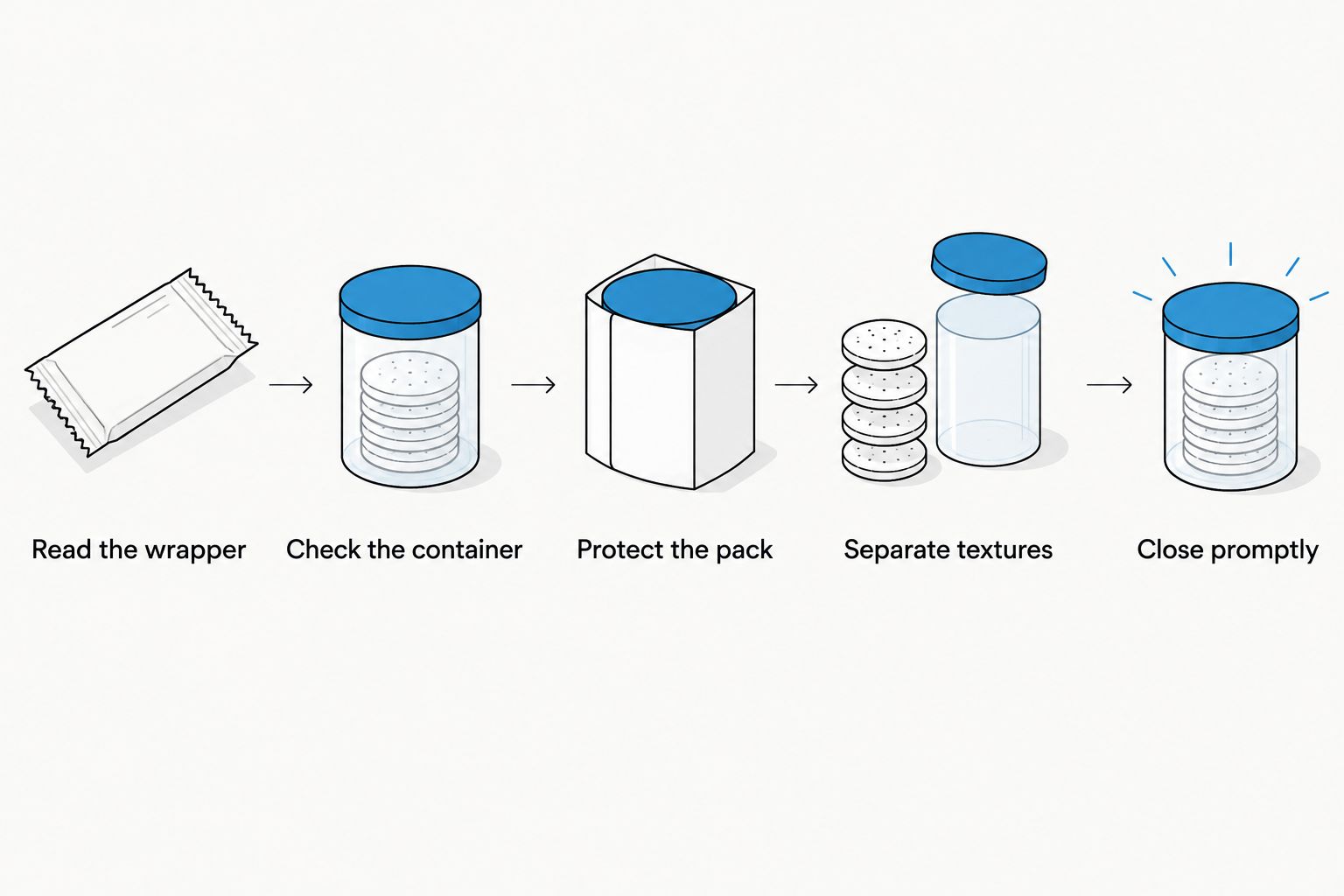
- Read the wrapper. Find the storage instructions, date wording, ingredients, and allergen statement before discarding any outer packaging.
- Check the container. Choose a food-storage container with a secure lid. Make sure the lid, corners, and sealing groove are completely dry.
- Protect the inner pack. Keep cookies in their original sleeve or tray when practical, folding the opened end tightly before placing it inside the container.
- Separate textures. Store crisp biscuits apart from soft cookies, bread, fresh fruit, and moist fillings exposed outside their original packaging.
- Close promptly. Remove what you plan to eat and reseal the remainder instead of leaving the full package open during serving.
- Choose a stable spot. Use a cool, dry cupboard away from the stove, kettle, dishwasher steam, and direct sunlight, unless the label specifies another location.
A container cannot compensate for a damp wrapper or wet lid. Start dry, then keep the seal closed.
Which storage option works best?
Choose the container around the cookie's shape and the condition of its packaging. Airtight storage protects crispness; rigid storage also protects fragile biscuits from being crushed.
| Storage option | Best for | Main advantage | Main limitation |
|---|---|---|---|
| Original sleeve inside an airtight container | Most opened crisp cookies | Keeps the wrapper and adds a secure outer seal | Needs enough space to avoid crushing the sleeve |
| Rigid airtight container with cookies transferred inside | Fragile biscuits or damaged inner packaging | Protects the shape and closes securely | You must retain the original label separately |
| Food-storage zipper bag | Cookies that fit without bending or crowding | Takes up little cupboard space | Offers less protection against crushing |
| Original package closed with a clip | Short serving breaks | Quick to close | A clip does not make an ordinary torn wrapper airtight |
| Decorative tin without a sealing lid | Serving or holding an already sealed inner pack | Provides rigid protection | The tin alone does not establish a moisture-tight seal |
Use a rigid airtight container when both crispness and breakage matter. A zipper bag is useful when space matters more, but keep it away from heavy pantry items.
Thin biscuits: protect the snap and the shape
Thin biscuits need protection from moisture and pressure. Keep an intact tray when it supports the biscuits, and avoid forcing a tall stack into a shallow container.
For example, the supplied Oreo Crisp Thin Biscuits listing names 3 flavors: Vanilla, Strawberry, and Matcha Figs. Flavor names do not tell you whether their ingredients, allergens, or handling instructions match, so read the package for the exact variant you opened.
Separate different flavors when you want to preserve their individual aromas. A shared container also mixes crumbs, making it harder to keep ingredients and allergen information associated with each snack.
Best for thin biscuits: a rigid, dry, airtight container with enough room to close without pressing on the cookies. The trade-off is cupboard space; a roomy container protects the biscuits but occupies more room than a folded bag.
Sandwich cookies: retain the sleeve and label
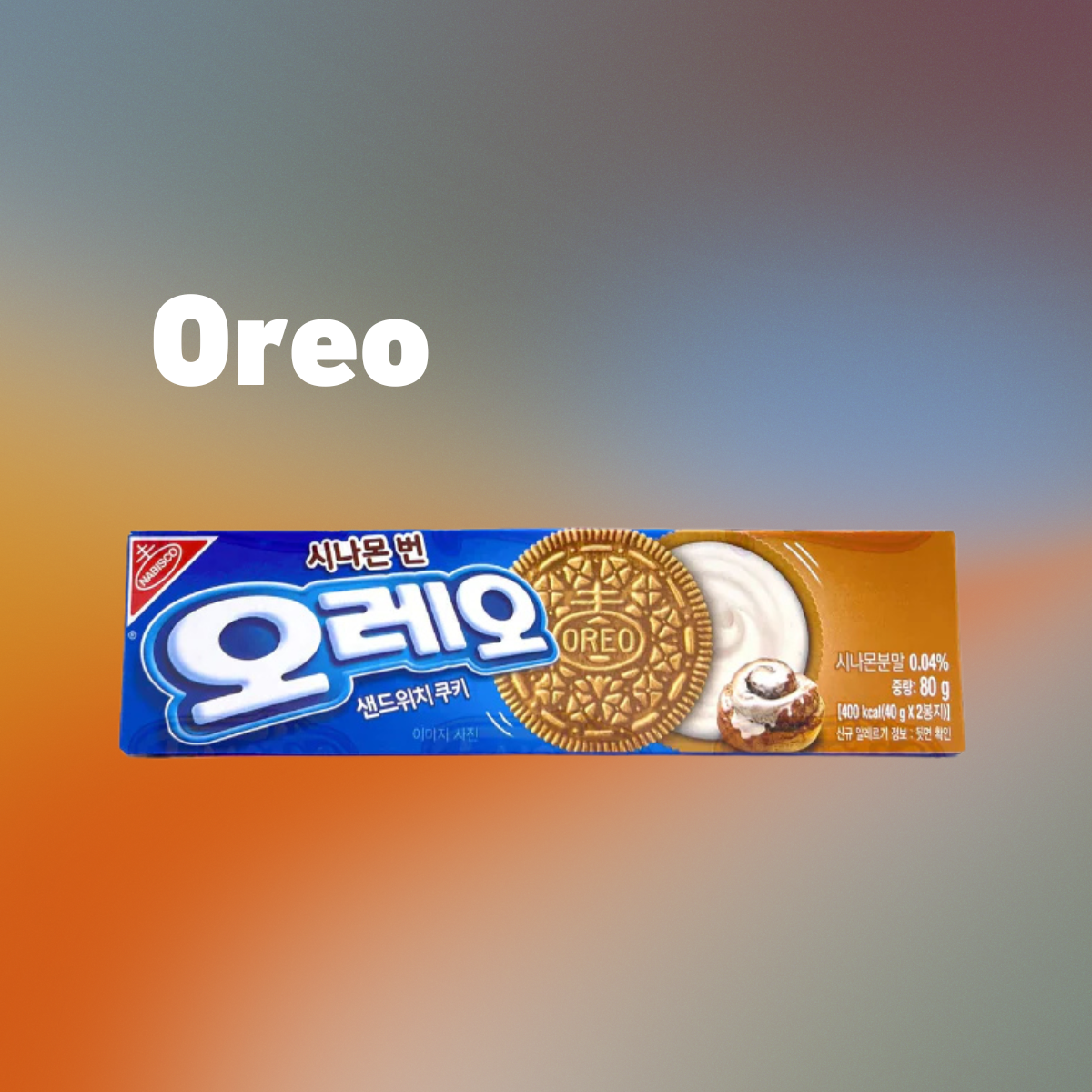
Keep sandwich cookies in their original sleeve when it remains clean and intact. Place that sleeve inside your airtight container rather than assuming a folded wrapper forms a complete seal.
A filled cookie's storage requirements depend on the actual product. Do not infer refrigeration instructions, shelf life, or ingredients from the appearance of the filling, and do not assume every imported Oreo uses the same recipe.
The supplied Oreo Thin Cookies listing distinguishes 2 flavors, Dark Chocolate and Black Sesame. Treat each package as its own source of instructions rather than carrying assumptions from one variant to the other.
Best for sandwich cookies: the original sleeve inside a secure outer container. The limitation is that the sleeve can hide loose crumbs or damage, so check its condition before putting it away.
Wafer rolls: avoid crushing and damp storage
Wafer rolls need support as well as a moisture barrier. Leave them in a protective inner tray if one is provided, or arrange them gently in a rigid container without pressing the lid against them.
The supplied Oreo Cocoa Crisp Roll listing identifies a 50g pack, also described as 1.7 oz. Those package quantities help identify the item; they do not establish how long it stays crisp after opening.
Best for wafer rolls: rigid airtight storage that prevents movement and compression. A flexible bag uses less space but leaves the rolls more exposed to accidental crushing.
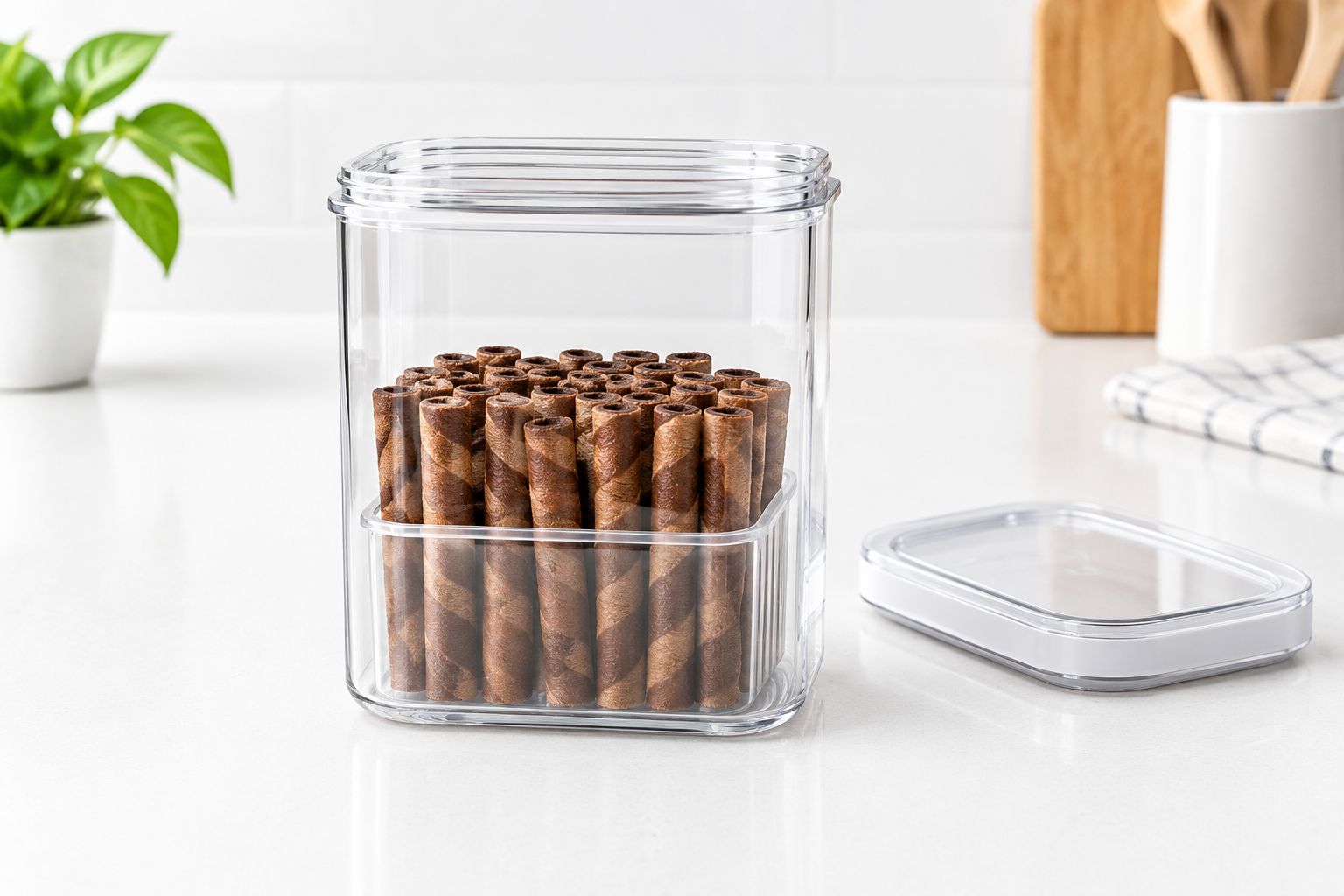
Keep the wrapper beside or around the inner tray so the product remains identifiable. If you transfer the rolls completely, retain the label with that container rather than relying on memory.
Why cookie crispness varies
The same container does not produce identical results for every cookie. These factors explain why texture changes between packages:
- Ambient humidity: opening a package exposes the cookies to surrounding air. A steamy kitchen adds avoidable moisture exposure.
- Seal quality: crumbs caught under a lid or inside a zipper closure can prevent it from closing properly.
- Cookie format: a thin biscuit, filled sandwich cookie, and hollow wafer roll have different structures and protection needs.
- Nearby foods: bread, soft cookies, and fruit introduce moisture when stored in the same container as crisp biscuits.
- Handling: leaving the package open or reaching in with damp hands defeats otherwise careful storage.
- Package condition: a torn inner sleeve or damaged closure no longer provides the protection it offered before opening.
Before blaming the cookie, inspect the storage setup. Look for a loose lid, damp sealing groove, or soft snack sharing the container.
Should you refrigerate imported cookies after opening?
Do not refrigerate shelf-stable cookies just to make them crisp. Follow the package if it requires refrigeration; otherwise, use dry, airtight pantry storage rather than introducing unnecessary temperature changes.
Cold packaging can collect condensation when exposed to warm, humid air. Refrigeration also does not fix a poor seal, and an inadequately closed container exposes cookies to refrigerator odors.
If the package requires chilled storage, follow those directions even when texture changes. Food handling requirements take priority over preserving a snap.
Can you make softened imported cookies crisp again?
Better storage prevents further moisture exposure; it does not guarantee that an already softened cookie regains its original texture. Do not apply a generic oven or microwave treatment to filled, coated, or decorated cookies without product-specific directions.
Heating can change fillings and coatings, and it is not a way to make spoiled food safe. Discard cookies with visible mold or evidence of contamination rather than trying to rescue them.
For the next package, change the storage method at the first sign of lost crispness. Check the seal and remove moisture sources instead of adding bread to the container.
How long do opened imported cookies stay crisp?
There is no single crispness period that applies to every imported cookie. Use any after-opening instruction on the exact package, then control the seal, humidity, and handling rather than assigning a generic deadline.
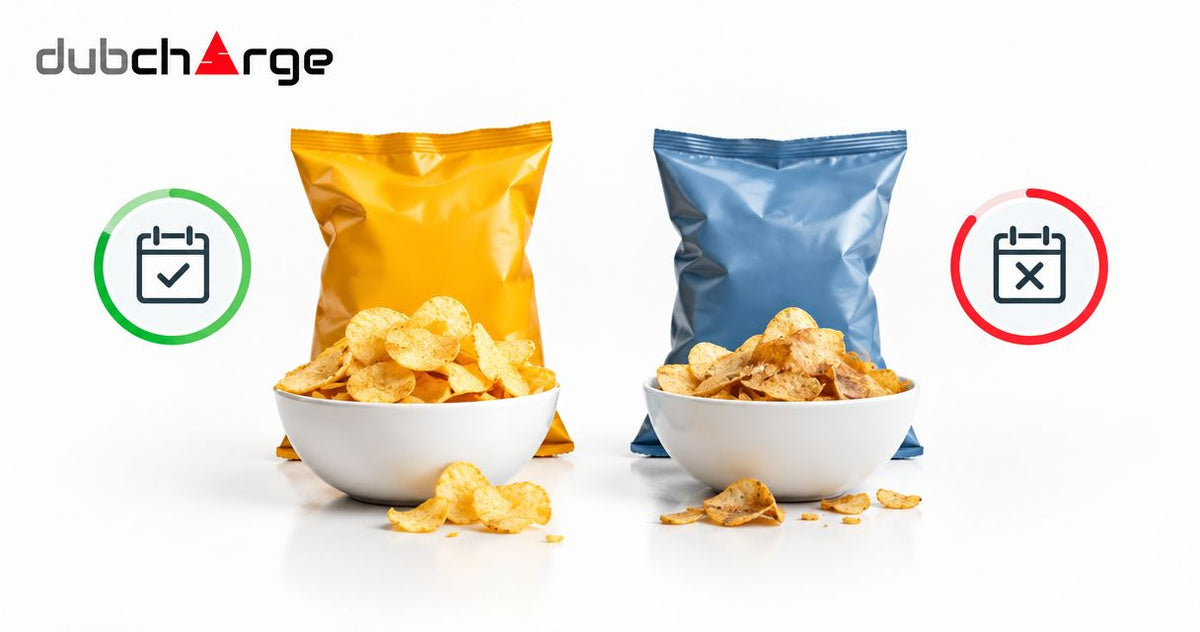
A date marked 2026 does not, by itself, tell you how long an opened package remains crisp. Read the wording around the date and identify whether it refers to production, best-before quality, or another package-specific marking.
Do not treat a 2026 best-before marking as an after-opening guarantee. Opening changes the protective environment, and a calendar date does not describe the condition of a lid or wrapper.
A practical label check for imported cookies in 2026
Read the label before separating the cookies from their packaging. Imported products need the same careful ingredient and allergen checks as other packaged foods, especially when you recognize the brand but not the market-specific version.
- Match the exact variant. Flavor, format, and country-specific packaging help distinguish otherwise similar products.
- Keep the ingredient list. Do not infer ingredients from a flavor name or front-of-pack image.
- Read allergen information. Check the exact package rather than assuming recipes match across markets.
- Find storage wording. Look for instructions that apply after opening, not just before opening.
- Interpret dates carefully. Identify what the printed date means before deciding how to use it.
For packages purchased in 2026, retain the original date and any lot information until the cookies are finished. An opening-date note is useful for household organization, but it does not replace manufacturer instructions.
DubCharge's imported-cookie selection suits shoppers comparing Oreo and Chips Ahoy formats. Product listings help identify the snack; the physical package remains the source for its ingredients, allergens, and storage directions.
FAQ
What's the best way to keep cookies crisp after opening?
Keep crisp cookies in a clean, dry, airtight container and follow the exact package directions. Retain the original sleeve when practical, and store soft snacks separately.
Can I keep imported cookies in their original wrapper?
Keep the original wrapper, but add an airtight outer container if the opened wrapper no longer seals securely. The wrapper also preserves ingredients, allergens, dates, and storage instructions.
Should I put bread in a container of crisp cookies?
Do not put bread in a container of crisp cookies. Bread introduces moisture, which works against keeping a crisp texture.
Is a cookie tin better than a zipper bag?
A cookie tin is better for crush protection, but only a secure sealing lid provides an airtight closure. A properly closed food-storage zipper bag offers flexible storage with less physical protection.
Do imported Oreo cookies need refrigeration after opening?
Follow the exact Oreo package instructions rather than assuming refrigeration is required. If the package permits pantry storage, use a dry, airtight container away from heat and humidity.
Can I mix different imported cookies in the same container?
Keep crisp and soft cookies separate because moisture can move between them. Separate flavors also keep crumbs and ingredient information easier to manage.
Does a 2026 best-before date mean opened cookies will stay crisp until then?
A 2026 best-before date does not guarantee crispness after opening. Read any after-opening directions and keep the cookies protected from moisture.
Where should I check allergens for imported cookies from DubCharge?
Check the exact physical package for ingredients and allergen statements. Do not assume that a familiar brand uses identical recipes across flavors or markets.
One last thing
Check the lid before replacing the container. A crumb trapped in the sealing groove can stop an otherwise suitable container from closing properly; a washed lid put away damp introduces the moisture you are trying to exclude.
Clean the closure, let every part dry completely, and keep only compatible crisp snacks together. That is a more useful routine than searching for a universal opened-cookie deadline.


Leave a comment
This site is protected by hCaptcha and the hCaptcha Privacy Policy and Terms of Service apply.