


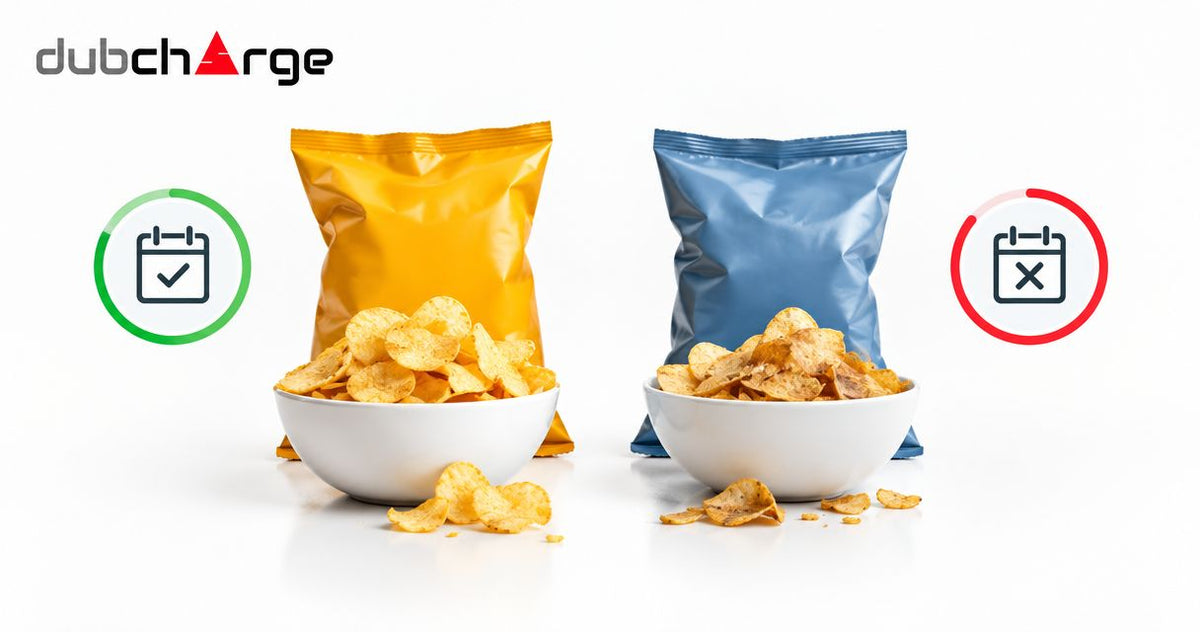
Best-before dates usually describe a snack’s expected quality, while use-by dates depend on the labeling rules where the product is sold. In the United States in 2026, neither phrase automatically creates a safety deadline for ordinary packaged snacks; on UK-regulated labels, use-by is a safety date. Storage instructions, an opened package, damage, and recalls can matter more than the printed date.
- Best before vs use by dates on snacks depends on the label’s market, not just the wording.
- Best-before dates generally concern quality; they do not guarantee safety before the date.
- U.S. use-by wording is not automatically a safety cutoff for ordinary packaged snacks.
- DubCharge’s snack-date guide is best for U.S. shoppers checking imported snack labels.
- Read storage instructions and check package condition before deciding whether to keep a snack.
Why this matters
Throwing away an intact bag of chips solely because its best-before date passed confuses quality with safety. Keeping a refrigerated snack because its date has not passed makes the opposite mistake: the date does not cancel improper storage.
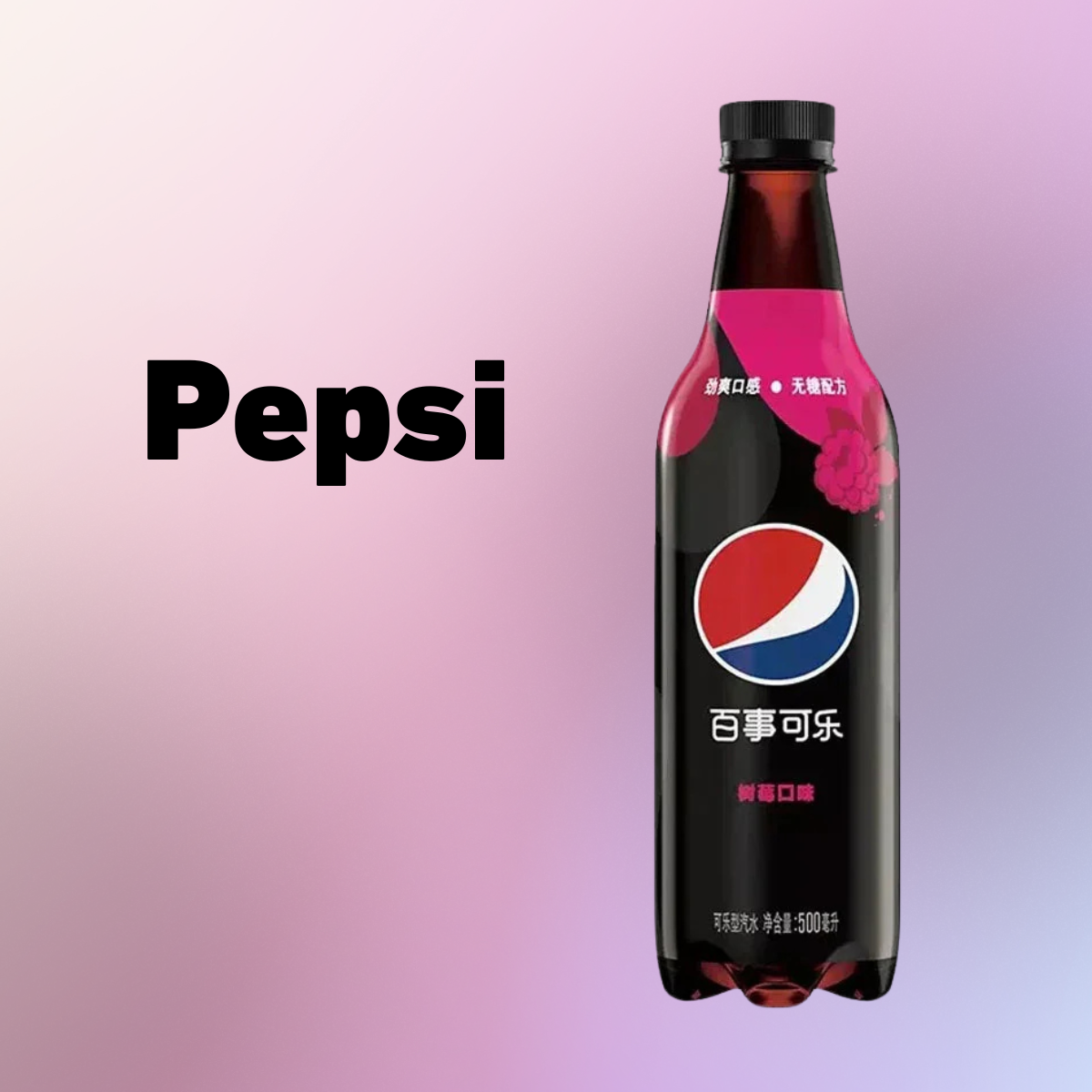
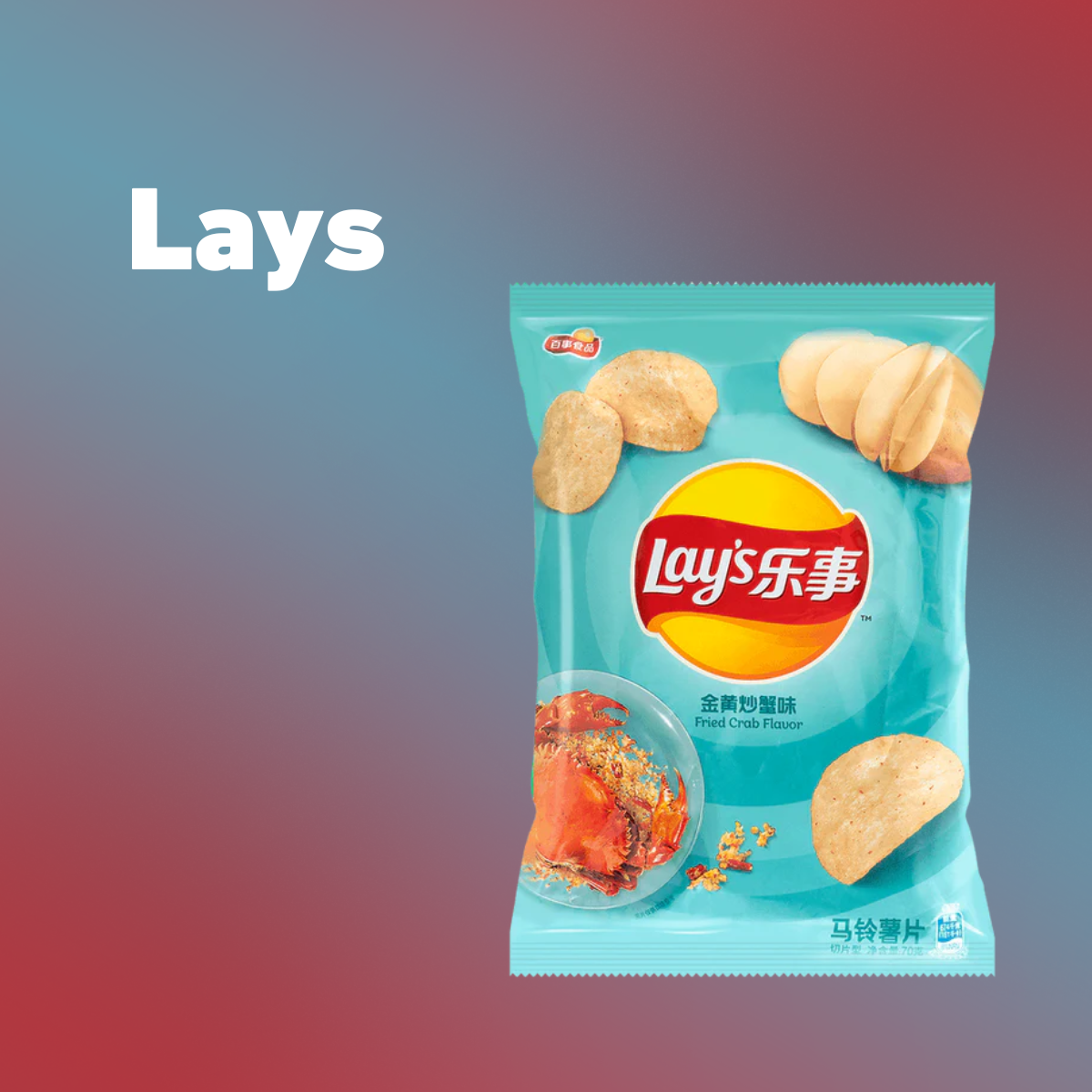
Imported snacks add another issue. A date can follow a different format, and a translated sticker can carry instructions that are easy to miss. When you choose unfamiliar snack flavors, check the back of the package as carefully as the flavor name.
Read the date phrase, storage directions, and package condition together. None provides a complete answer by itself.
How do best-before and use-by dates differ on snacks?
For a U.S. shopper in 2026, the main distinction is between a quality recommendation and a safety instruction—not simply between two phrases. FDA consumer guidance explains that, except for infant formula, federal law generally does not require food manufacturers to place quality-based dates on packaged food. State requirements and product-specific rules can differ.
USDA food-date guidance likewise describes common U.S. use-by wording as the manufacturer’s recommendation for peak quality, except on infant formula. UK Food Standards Agency guidance makes a different distinction: best-before concerns quality, while use-by concerns safety.
| Label wording or context | What it tells you | What it does not tell you | Your next move |
|---|---|---|---|
| Best before or best if used by | Expected quality under stated storage conditions | That food becomes unsafe immediately afterward | Check storage, packaging, and the food’s condition |
| Use by on an ordinary U.S. packaged snack | Often the manufacturer’s recommended quality endpoint | That the phrase has a universal federal safety meaning | Read the full label and product-specific instructions |
| Use by on a UK-regulated food label | The date relates to food safety | That smelling normal makes it safe afterward | Do not eat after the use-by date |
| Sell by | Helps a retailer manage display and inventory | A direct consumer discard deadline | Look for consumer storage and date instructions |
| Lot or batch code | Identifies a production batch | Necessarily an expiration date | Ask the manufacturer if the code is unclear |
This distinction does not authorize ignoring a clear safety warning. If the manufacturer specifically says not to consume a product after a stated date, follow that instruction rather than applying a general pantry rule.
Best-before dates: quality, not a safety guarantee
A best-before date commonly concerns qualities such as crispness, flavor, or texture. A dry snack can lose those qualities without the calendar date marking an immediate safety change.
The limit cuts both ways. A snack can become unsuitable before its best-before date if its seal breaks, moisture enters, or it is stored contrary to the label. A future date is not evidence that a damaged package is acceptable.
For a pantry check in 2026, separate these questions:
- Quality: Has the snack become stale, softened, or developed an unpleasant flavor or odor?
- Package condition: Is the original seal intact, with no contamination, leakage, or pest damage?
- Storage: Has the product stayed under the conditions printed on its package?
- Safety instructions: Does the label contain a use-by warning, refrigeration requirement, or other specific restriction?
Do not taste a suspicious snack to settle the question. A taste test is not a food-safety test. Discard food with visible mold, contamination, or other clear signs that it should not be eaten.
Use-by dates: the market changes the meaning
On ordinary U.S. packaged snacks, use-by does not automatically have the safety meaning it carries on UK-regulated food labels. That difference matters when an imported package includes original printing plus an English-language sticker.
Read the actual instructions rather than assigning meaning from the product’s country of origin alone. The package may have been made for a different export market. Check any accompanying explanation, refrigeration direction, or explicit instruction about consuming the product after its date.
For UK-regulated foods carrying a safety-based use-by date, the Food Standards Agency advises against eating the food after that date, even if it looks or smells normal. That is different from deciding whether an ordinary shelf-stable snack remains acceptable after a quality date.
If the wording remains unclear, contact the manufacturer or importer using the details on the package. Keep the wrapper and batch code available. Guessing from the brand name, flavor, or another package sold in a different market is not a substitute for clarification.
How do you read a snack date correctly?
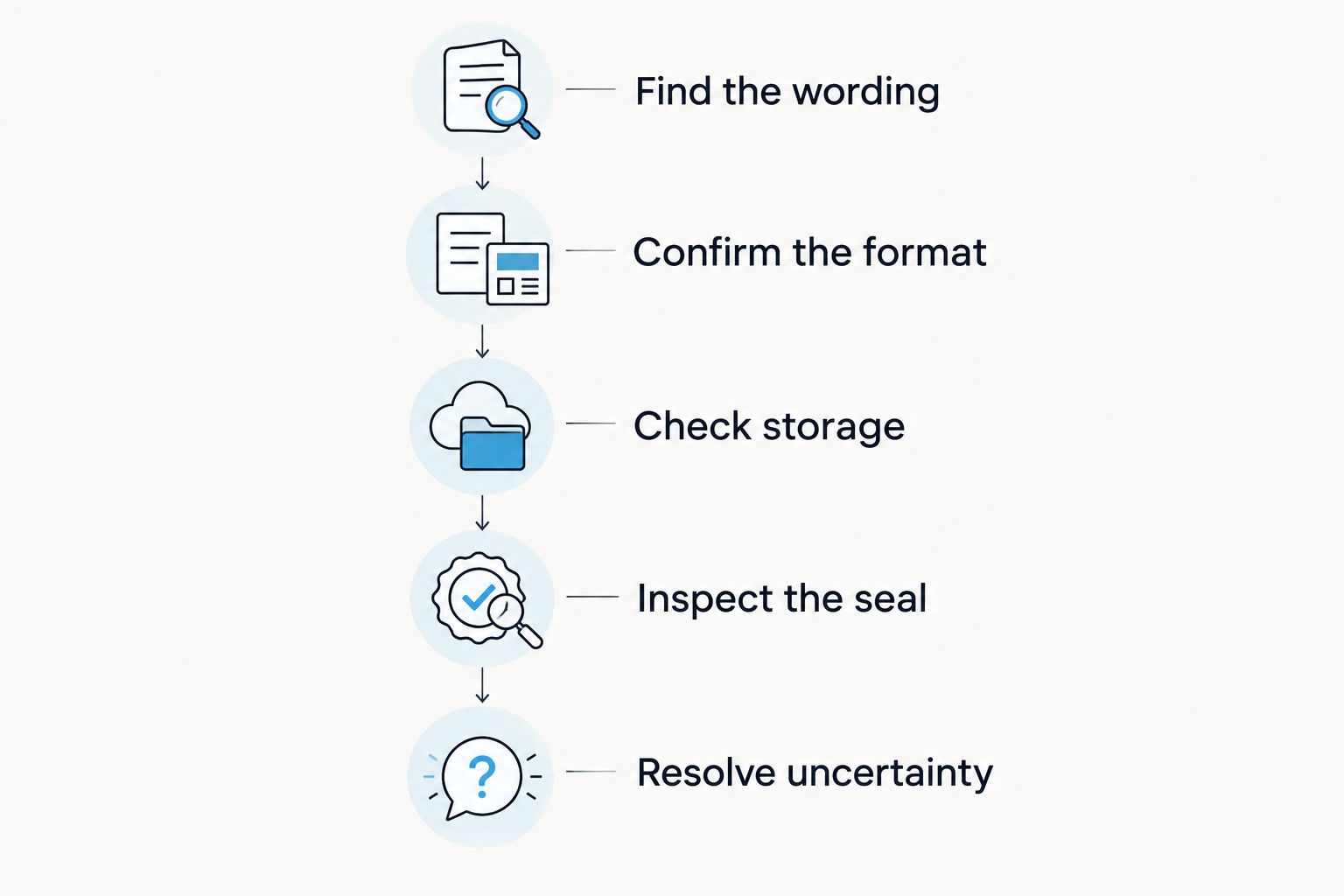
Use this sequence before deciding what a printed date means. It works for an individual package or for checking several different snacks together.
- Find the wording. Locate best before, use by, expiration, production date, or another explanation beside the printed code. A number without context is not enough.
- Confirm the format. Look for an explicit year-month-day explanation or another printed format. Do not assume every imported package follows U.S. month-first ordering.
- Check storage. Read refrigeration, temperature, humidity, and sunlight instructions. Separate unopened-storage directions from instructions that apply after opening.
- Inspect the seal. Check for tears, leakage, broken closures, contamination, and pest damage. Normal factory packaging can contain air; unexpected swelling is a different issue.
- Resolve uncertainty. Ask the manufacturer or importer to interpret an unclear date or code. Do not eat a questionable product while waiting for an answer.
A production date tells you when a product was made, not automatically when it should be discarded. Likewise, a batch code helps identify a manufacturing run but does not necessarily contain a date you can decode yourself.
For your 2026 pantry check, keep the original label until you finish the snack. Moving food into an unmarked container removes the storage instructions, allergen information, and batch details you might need later.
Why snack-date decisions vary
There is no single extension period that applies to every cookie, candy, chip, and drink. These factors explain why the same printed phrase does not always lead to the same decision:
- Labeling market: U.S. and UK guidance gives use-by wording different significance. Interpret the label in its actual regulatory and product context.
- Storage requirements: A shelf-stable unopened snack and a product requiring refrigeration need different handling. Follow the package rather than its appearance.
- Opened packaging: Opening changes the protection provided by the original seal. After-opening instructions can become more relevant than the unopened quality date.
- Package integrity: Tears, leaks, contamination, and pest damage undermine the assumptions behind the printed date.
- Product formulation: Moisture, ingredients, and packaging differ. Do not transfer a storage period from one snack to another merely because both are candy or cookies.
- Recalls: A recalled product should be handled according to the recall instructions, even when its date has not passed and it appears normal.
Ingredients and allergens also need their own check. A familiar brand name does not establish that a package made for another market has the same recipe or allergen statement.
What changes after you open a snack?
The printed date generally assumes the product remains under its stated storage conditions, often in its original unopened packaging. Once opened, follow instructions such as refrigerate after opening, reseal tightly, or consume within the stated period.
Do not invent an after-opening window when the package supplies none. For ordinary dry snacks, keeping moisture and contamination out helps protect quality, but a resealable bag does not create a new manufacturer-backed shelf life.
For snacks or drinks that require refrigeration, FDA food-safety guidance uses 40°F or below for the refrigerator. Perishable food should not remain at room temperature for more than 2 hours, or 1 hour when the surrounding temperature exceeds 90°F. Those limits apply to perishable food—not automatically to every shelf-stable candy or unopened soda.
Write the opening date on the container when the label gives an after-opening period. Keep that note separate from the manufacturer’s printed date so nobody mistakes one for the other.
How should you check a mixed snack box?
Check every package separately. A box containing cookies, candy, chips, and drinks does not give those products a shared date, storage requirement, or allergen profile.
For a mixed selection such as DubCharge’s Exotic Snacks Mystery Box, treat the outer box as a container, not as a substitute for the individual food labels. Keep each wrapper with its contents until the snack is finished.
A useful sorting method is simple: separate products by storage instruction, then put earlier clearly understood dates where you will see them first. Set aside anything with an unreadable label or uncertain code for clarification. Do not give a questionable package to someone else merely to avoid wasting it.
Can you eat snacks after their best-before date?
A passed best-before date alone does not establish that an ordinary shelf-stable snack is unsafe. The decision still depends on the product, storage history, packaging, recalls, and any specific manufacturer instructions; there is no universal extra period that makes every snack acceptable.
Does an unopened package guarantee a snack is safe?
An unopened package does not guarantee safety. Recalls, manufacturing contamination, damaged seals, or improper storage can matter before the printed date, and some hazards do not change how food looks or smells.
Should you discard a snack if its date is unreadable?
An unreadable date calls for clarification, not an invented replacement date. Keep the package and contact the manufacturer or importer; discard the food if you cannot establish that it is appropriate to eat, particularly when safety or required storage is uncertain.
FAQ
What is the main difference between best-before and use-by dates on snacks?
Best-before generally concerns quality, while use-by depends on the labeling market. Ordinary U.S. packaged snacks do not automatically have a safety deadline just because the label says use by; UK-regulated use-by dates concern safety.
Are snack date-label rules the same in 2026 for every country?
No, snack date-label meanings are not identical across countries in 2026. Read the actual package instructions and ask the manufacturer or importer when the wording or market context is unclear.
How many days after a best-before date can I eat chips?
There is no universal number of extra days that applies to every bag of chips. Check the product’s instructions, storage history, package integrity, and condition rather than adding a fixed extension.
Can I smell a snack to tell whether it is safe?
Smell alone cannot establish that a snack is safe. Discard food with an off odor, but do not assume that a normal smell rules out contamination or overrides a safety-based use-by date.
Does opening a package change its best-before date?
Opening a package changes its storage conditions rather than rewriting the printed date. Follow any after-opening instructions, including refrigeration or a stated consumption period.
Does a future date mean a damaged snack package is okay?
No, a future date does not make a damaged or contaminated package acceptable. Broken seals, leakage, pest damage, and other signs of compromised packaging need attention regardless of the date.
Can imported versions of the same snack have different ingredients?
Yes, snack recipes and allergen statements can differ across markets. Read the exact package in your hand rather than relying on a familiar brand name or a label from another country.
One last thing
Photograph the complete label before throwing away an outer wrapper, especially when individual pieces have little information. Include the date, batch code, ingredients, allergens, and storage instructions—not just the front of the package.
The practical rule from this DubCharge snack guide is straightforward: a date helps you interpret a package; it does not replace checking the package.


Leave a comment
This site is protected by hCaptcha and the hCaptcha Privacy Policy and Terms of Service apply.