








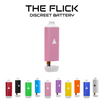

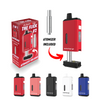
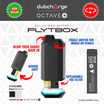
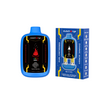
Dab pens are better for you only if you actually want loose concentrates and you can match the device to your upkeep tolerance. They are overhyped when you buy the wrong type, then get stuck with clogs, burnt taste, dead batteries, and constant coil replacements.
Here’s what matters most:
- Disposable dab pens win on convenience because there is no charging or refilling.
- Refillable dab pens cost more upfront but can cost less long term.
- Your concentrate type decides your temperature range and how often coils burn out.
- Ceramic heating elements tend to heat more evenly than basic coil designs.
- Most clogs start with overfilling the chamber and skipping regular cleaning.
- Charging failures usually show up as flickering lights, weak hits, or no heat.
- ISO alcohol works for chambers and coils, but everything must air dry fully.
- If you use 510 carts daily, a dab pen may feel like more upkeep than expected.
We carry both Disposable Dab Pen options and Refillable Dab Pen setups because the right choice is not universal, it is personal. After a decade of helping people troubleshoot concentrate hardware, we have learned the same pattern repeats: the “best” dab pen is the one you will maintain, at the temperature your concentrates actually like, with coil and support expectations you are comfortable living with.
Before you compare features, brands, or temperatures, start with the one thing that decides everything: how much upkeep you are realistically willing to do between sessions.
Start with the one thing that decides everything: upkeep tolerance
21+ only. Cannabis and nicotine products are intended for adults, and inhalation comes with real risk.
Availability and shipping rules can change fast: federal hemp rules (less than 0.3% Delta-9 THC) and your state or local restrictions may limit what you can buy or receive.
Consistency comes from three controls
The “best” concentrate pen is the one that stays consistent in your hands, not the one with the loudest spec sheet. Consistency comes down to three controls that determine flavor, airflow, and how often you get stuck troubleshooting.
Temperature control is the difference between a clean, repeatable hit and a scorched one. Too hot tends to darken residue quickly and turn flavor harsh, and too cool can leave you pulling on a device that is not fully vaporizing your load. A peer-reviewed vaporizer validation study also found more variability in non-temperature-controlled devices, with RSD values up to 12.7%, which lines up with what we see in real-world “why does this feel different every time?” complaints.
Clog resistance is your day-to-day quality of life. Concentrates reclaim and thicken as they cool, so designs with better airflow and less pooling mean fewer mouthpiece cleanouts, fewer restricted draws, and less fiddling between sessions.
Warranty and support matter because hardware fails at the worst time. A good warranty does not make a device perfect, but it changes the downtime equation when a battery stops charging or an atomizer connection gets finicky.
- Temp control: prevents scorched hits and helps you keep results repeatable
- Clog resistance: reduces daily airflow issues and constant clearing
- Warranty and support: reduces the time you are stuck without a working device
Your upkeep level in 60 seconds
You can usually place yourself into one of three upkeep levels in under a minute. Answer honestly, because the most frustrating devices are the ones that demand more routine than you will actually do.
Zero maintenance preference signals: you want something that works until it is empty, with no charging, no disassembly, and no parts to buy. That preference is about consistency under real life, not about being “lazy.”
Weekly cleaning tolerance signals: you are fine doing a quick routine to keep airflow open and flavor steady, but you do not want to deep-clean after every session. In our experience, people who can commit to a simple weekly clean avoid most of the slow-creep problems that feel like “the pen is getting worse.”
Coil replacement comfort signals: you are willing to swap a heating coil when performance drops. If the idea of buying replacements, handling sticky parts, or troubleshooting uneven heating sounds annoying, you should avoid setups that rely on frequent coil changes to stay consistent.
- Pick “zero maintenance” if you want no refilling, no charging, and no part swaps
- Pick “weekly cleaning” if you can wipe the mouthpiece and clean the chamber on a routine
- Pick “coil replacement” if you are comfortable replacing heating elements when flavor or heat output declines
Use-case comparison score table: which type stays consistent for you
Before you compare types, get the core terms right. A chamber (also called an atomizer) is the built-in heating area where you load loose concentrate; a cartridge is a pre-filled, sealed unit you screw onto a battery and replace when it is empty.
Because concentrates are potent, effects can come on fast compared to many other formats. That quick onset is useful for small, controlled sessions, but it also means consistency matters more: tiny changes in heat and airflow can change your experience.
Quick score table by use case
The most consistent choice is the one that matches how much upkeep you will actually do. The table below scores each option on the factors that usually decide satisfaction: smoothness, maintenance, cost, and stealth.
Cost here includes ownership costs, not just the purchase. That matters because the quickest way to overpay is buying a refillable device, then replacing coils too often because you are running them dirty or pushing heat too high.
- Smoothness (hit feel): Disposable dab pen 3/5; Refillable dab pen 4/5; 510 carts 4/5
- Maintenance (cleaning, parts): Disposable dab pen 5/5; Refillable dab pen 2/5; 510 carts 4/5
- Cost (total ownership): Disposable dab pen 2/5; Refillable dab pen 4/5; 510 carts 3/5
- Stealth (smell, simplicity): Disposable dab pen 5/5; Refillable dab pen 3/5; 510 carts 5/5
- Disposable dab pen: best for travel, occasional use, and anyone who will not clean coils on a schedule
- Refillable dab pen: best for regular concentrate use when you want control and can handle upkeep
- 510 carts: best for simple, repeatable sessions when you do not want to handle loose concentrate at all
- Skip dab pens if you want only pre-filled oil, you dislike frequent hardware tinkering, or you are extremely sensitive to strong, fast-onset effects
Disposable dab pens for zero upkeep
Disposables stay consistent for you when your main priority is eliminating failure points. No charging routine, no refilling, no coil shopping, and no cleaning cadence to keep track of.
They also solve the “overpaying for coils” worry directly, because there are no replaceable parts to keep buying. Your cost is simpler: you pay for the unit, use it, then replace it when it is done.
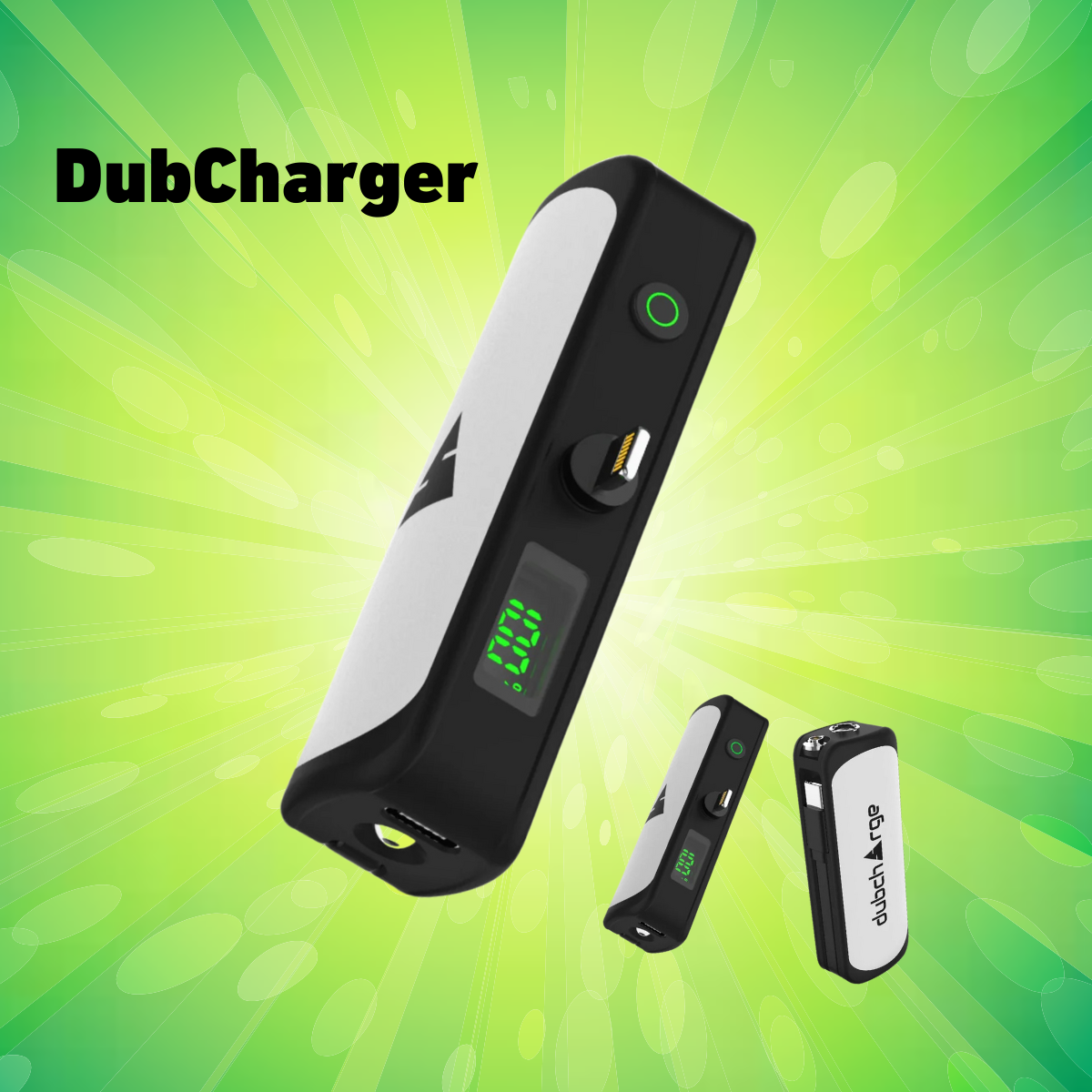
For a first concentrates test, this format is hard to beat. You learn whether you even like concentrate potency and the faster onset without investing in a reusable chamber and a drawer of spare coils. In our lineup, the DubCharge disposable dab pen is the cleanest entry point because it removes the two most common beginner friction points: setup and maintenance.
- Choose a disposable when you want the least upkeep and the fewest “why is this acting up?” moments
- Skip disposables if you know you will use concentrates regularly, because per-use cost usually climbs compared to a maintained refillable device
- 21+ only. Cannabis products contain intoxicating compounds and can impair you; laws and shipping rules vary by state, and federally compliant hemp products must be under 0.3% delta-9 THC
Refillable dab pens for long-term value
Refillables win on long-term value when you treat it like an ownership model: you keep the battery and chamber, and you replace the heating coil only when performance drops. That is where many people accidentally overpay, because they replace coils reactively instead of running a basic maintenance cadence.
For regular concentrate users, a refillable device can be the most consistent experience across different textures because you can load small amounts and manage heat more deliberately. You are not locked into a single pre-fill, and you are not throwing away an entire device when a coil gets tired.
The reality check is upkeep. Plan on light cleaning and periodic coil replacement as normal operating costs, not “something went wrong.” What we see most often is airflow tightening and flavor degrading when residue builds up, which pushes you to run hotter, which shortens coil life.
- Cleaning cadence reality: wipe the mouthpiece regularly and clean the chamber and coil after every 3-5 uses to keep airflow and flavor consistent
- Coil cadence reality: replace the coil when heating becomes uneven or flavor drops, not on a fixed calendar
- How this controls costs: a clean coil runs more predictably, so you are less likely to burn concentrate and less likely to buy coils early out of frustration
Real competitor check: where the big names win and where they do not
The big names usually win on “grab-and-go” design: fewer separate parts to manage, quicker loading, and a more polished pocket experience. Where they can lose you is consistency over time, because the same compact designs that feel convenient often demand more cleaning attention to keep flavor and airflow steady.
Puffco Plus
Puffco Plus is a recognized all-in-one wax pen because it bundles the core experience into one straightforward kit. You are not piecing together a battery, a chamber, and a separate loading tool just to get started.
The convenience shows up most in loading and portability. The built-in dab tool makes it easier to handle concentrates in the moment, and the whole device is designed to travel without feeling like a “project” every time you use it.
The tradeoff is higher expectations for upkeep if you want it to stay consistent. In our experience, compact all-in-ones perform best when you keep residue from building up in the chamber and around the mouthpiece, and you avoid overloading, which can restrict airflow and make draw resistance feel unpredictable.
- Best fit: you want an established, do-it-all concentrate pen that feels cohesive in hand
- Watch-outs: performance can drift if you let reclaim build up, especially after repeated sessions
- Upkeep mindset: plan on routine wipe-downs and periodic deeper cleaning of the chamber parts, while keeping the battery section dry
Linx Hypnos Zero
Linx Hypnos Zero has a reputation for a discreet form factor, and that is the main reason people cross-shop it. It is the kind of concentrate pen you can carry daily without feeling like you are hauling a gadget.
That simple everyday-carry appeal is real: fewer distractions, easy pocketing, and a “use it, put it away” rhythm that works well for short sessions.
It still depends on cleaning discipline. Small chambers and tight vapor paths can reward you with clean flavor, but they also punish neglect. When you skip maintenance, residue turns into sticky airflow issues and muted taste faster than most beginners expect.
- Best fit: you care more about low-profile carry than chasing big clouds
- Keep it consistent: clean contact points and the mouthpiece regularly, and do not let concentrate bake onto the chamber surface
- Red flag: the first sign you need maintenance is usually tighter draw, not total failure
LOOKAH Seahorse Pro
LOOKAH Seahorse Pro is popular for quick contact-style hits, where you can take a fast pull without a traditional loading routine. That makes it appealing when you want immediacy more than ceremony.
It is also good for sampling concentrates. You can get a feel for a new material’s flavor and effects without committing to a full chamber load, which is useful when you are dialing in what you actually enjoy.
The caution is heat behavior. Contact-style devices can run hot without control, and that can shorten the window between “good flavor” and “burnt tasting hit,” especially if you hold contact too long or repeatedly pulse it back-to-back.
- Best fit: you want fast, on-demand hits and you like trying multiple concentrates
- Technique that matters: short touches and shorter draws help prevent harsh flavor shifts
- Consistency risk: once it gets too hot, residue can cook onto the tip and increase cleaning frequency
Temperature ranges by concentrate type that protect flavor and coils
Consistency starts with how much you load. Small loads reduce flooding because excess concentrate can melt faster than your coil can vaporize it, which leads to gurgling, spitback, and uneven heating.
Use preheat only when needed. We treat it as a tool for thick material that is slow to wick, not a default setting that bakes residue onto the heating element.
Live resin temperature bands
For live resin, 315-375F is a reliable working band for most dab pens. It keeps the vapor flavorful and helps your coil stay cleaner because you are not scorching what is left in the chamber.
If you want thicker vapor, step up into 370-400F. Expect a stronger hit and denser clouds, but you are also pushing closer to the point where flavor drops off fast.
Watch for burnt-terp warning signs and back down immediately. In practical terms, that is a sudden shift from bright, strain-specific flavor to a flat, bitter, “charred” note, plus darker residue building quickly. The reason is simple: terpenes decompose faster as temperature climbs, which USPTO patent documentation describes as a direct relationship that can reduce the complex natural flavor profile and create a distinct burned flavor.
- Start point: 315-375F for balanced flavor and smoother vapor
- Clouds: 370-400F when your concentrate is thick or you want a heavier hit
- Back off the heat if flavor turns bitter or your chamber starts darkening unusually fast
Live rosin temperature bands
Live rosin tends to reward lower temps, and 200-240C is a solid smoother range on devices that display Celsius. You are aiming for steady vapor without that “toasted” taste that masks rosin’s profile.
Keep the lower end of the range for flavor. You will usually get a lighter, more terp-forward pull and less harshness.
Move toward the higher end when you want denser vapor. The tradeoff is that the hit gets heavier and the margin for overheating gets smaller, especially if you are running longer draws.
- 200-215C: prioritize flavor and a smoother feel
- 220-240C: thicker vapor and a more forceful hit
Distillate temperature bands
Distillate is more about viscosity management than chasing delicate flavor. Set 149-160 for smoother hits, then climb to 166-177 when you want a harder hit and more visible vapor.
Thickness drives the choice. If your distillate is thick and slow to move, a slightly higher setting can help it vaporize consistently. If it is thinner or you are getting any irritation, drop the temperature and shorten your draw.
- 149-160: smoother hits, lighter vapor
- 166-177: harder hits, thicker vapor
- Thicker distillate generally needs more heat to avoid weak, inconsistent pulls
Mini troubleshooting flowchart: clogs, charging failures, burnt taste
Two habits prevent most “my pen is broken” moments: let isopropyl alcohol fully air-dry after cleaning, and never overfill the heating chamber. Damp alcohol can short contacts, and packed concentrate can flood the airflow path and choke the draw.
Load less than you think you need, then add a little more only if the device is still wicking and pulling normally. With concentrate devices, airflow problems usually start as a loading problem.
If it clogs or pulls tight
A tight pull is usually a physical blockage from cooled concentrate, not a dead device. Your first move is gentle heat plus gentle draws to soften residue without pulling more material into the airflow path.
Run a short warmup cycle, then take a few slow, light sips instead of a hard drag. Aggressive suction can pull liquified concentrate into places it cannot vaporize fast enough, which turns a minor restriction into a full clog.
If the draw stays tight, clean the vapor path and the chamber edges where buildup forms a sticky “ring.” Use a cotton swab lightly dampened with isopropyl alcohol on the chamber walls and the mouthpiece area, then let everything air-dry completely before reassembling.
- Warmup: 1-2 brief heat pulses, then 2-3 gentle pulls
- Clean: wipe chamber edges and mouthpiece path; avoid soaking the battery
- Adjust: use smaller loads and lower temps so concentrate does not boil over into the airway
If it will not charge
Charging failures are the #1 time sink, so check the simple stuff first. Most “won’t charge” reports trace back to a bad cable, a dirty port, or contacts that are not actually touching.
Start with cable and port checks before you wait on support: try a different known-good cable and power source, and look into the port for lint or debris. If the device uses a screw-in style charger/adapter, confirm it is seated straight and snug, not cross-threaded.
Next, clean the charging contacts. Use a cotton swab barely damp with isopropyl alcohol, wipe the metal contact points, and let it fully dry before you try again.
Stop troubleshooting when you see end-of-life battery signs: it charges only intermittently, dies quickly after a full charge, gets unusually warm during charging, or the indicator behavior becomes inconsistent across multiple cables.
- Cable test: swap cables first, then swap wall adapter or USB port
- Port check: remove lint carefully; do not force tools into the port
- Contact clean: iso swab on metal contacts only, then full air-dry
- EOL clues: rapid capacity drop, random disconnects, erratic charge lights
If it tastes burnt or heats uneven
Burnt taste and uneven heat usually means your temperature is too high, your coil is worn, or residue is creating hot spots. Lowering heat is the fastest diagnostic because it costs you nothing and often fixes it immediately.
Symptoms of running too hot include harsh, acrid flavor, darkening concentrate in the chamber, and vapor that goes from normal to “scorched” within a couple pulls. Drop the temperature or use shorter heat pulses so the concentrate melts and vaporizes instead of cooking on contact.
Replace the heating coil when the flavor stays off after cleaning, the device alternates between weak and overly hot hits, or you see visible charring that returns quickly. A coil that is past its prime tends to heat in patches.
Residue is the hidden driver of hot spots. Concentrate builds along chamber edges and on the coil surface; that layer can re-burn every session until it is removed, even if your temperature setting is reasonable.
- Lower-temp test: reduce heat one step and shorten pulls to confirm it is not over-temperature
- Coil triggers: persistent burnt taste, uneven output, repeated charring soon after cleaning
- Residue fix: wipe chamber edges and coil area gently with an iso swab, then air-dry fully before use
Pick your lowest-friction setup with DubCharge options
Start by separating what you actually use: pre-filled 510 carts versus loose concentrates you load into a chamber. A cart battery is the low-upkeep path for carts, while a concentrate pen is built for waxy textures and will ask more of you unless you choose a truly hands-off format.
Use only where legal, for adults 21+ only. Cannabis and nicotine products carry risk, and shipping or possession rules vary by state; hemp-derived products must meet the federal <0.3% Delta-9 THC threshold where applicable.
If you want zero maintenance
The lowest-friction option is a disposable concentrate pen that is pre-filled and ready to use. DubCharge disposable dab pen models fit best when your main worry is clogging, charging failures, or buying gear you then have to maintain.
This is also the cleanest way to try concentrates without committing to coils, cleaning supplies, or learning a loading routine. You are evaluating the experience itself, not troubleshooting hardware.
What you get is straightforward: no charging and no refilling. When it is empty, you replace the whole unit, which avoids the most common upkeep points that frustrate new concentrate users.
- Choose this path if you want to try concentrates with minimal setup time
- Expect fewer user-caused issues because there is no chamber to overload and no coil to scrub
- Plan ahead for availability, since you cannot extend its lifespan with a refill
If you use 510 carts daily
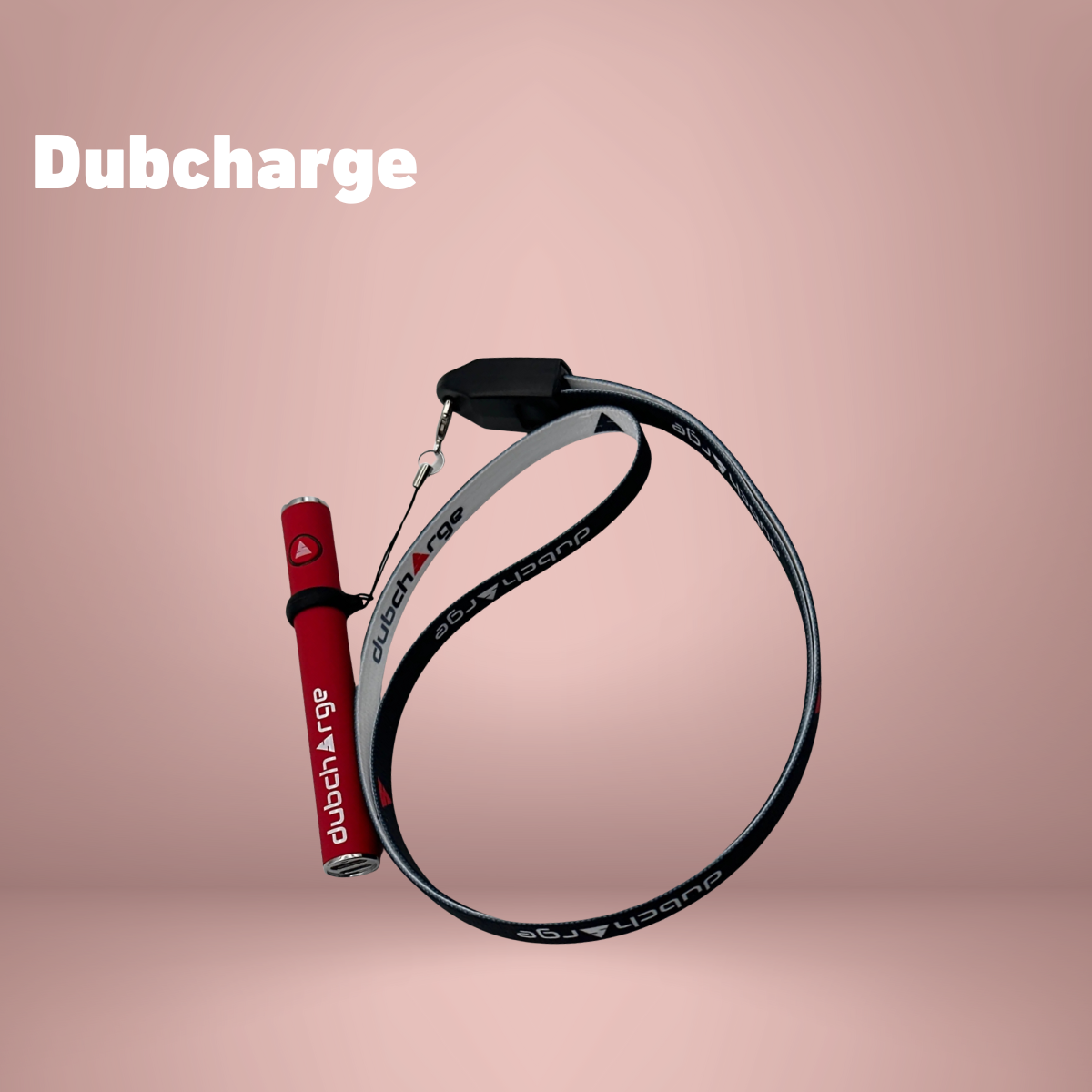
Daily cart use is where a dedicated battery is usually the smarter choice than a dab pen. The DubCharge Pennicle 510 battery is built for pre-filled 510 carts, so you are not dealing with sticky chambers, loading tools, or concentrate residue that can restrict airflow over time.
The practical upgrade over the “freebie” stick batteries is control and consistency. Better power control helps you avoid the too-hot hits that darken oil, irritate your throat, and contribute to cart clogging and leakage.
Look for warranty coverage and responsive support before you buy. If your battery stops charging or your button fails, a clear warranty process matters more than any spec sheet.
- Use a 510 battery for carts, not loose concentrates
- Prioritize adjustable settings and a solid connection to reduce misfires and inconsistent heating
- Buy from a seller that offers warranty and support so you are not stuck replacing hardware out of pocket
Choose the dab pen that will still feel consistent in week four
If you want the lowest upkeep, start with a Disposable Dab Pen. We recommend this route when you want zero cleaning, zero coil shopping, and a simple way to confirm concentrates fit your routine before you invest in a refillable setup.
If you are ready for longer-term value and more control, step up to a Refillable Dab Pen. You will get better consistency when you load small amounts, keep temperatures matched to your concentrate type, and clean the chamber and mouthpiece on a simple schedule.
We stock a wide mix of dab pen options across 10,000+ SKUs, so you can match your device to your upkeep tolerance instead of chasing hype specs. Shop your next disposable or refillable dab pen, then use our guides to keep it running smoothly.
21+ only. Cannabis and nicotine products may be intoxicating and habit-forming. Products and shipping availability vary by federal and state rules, including hemp under 0.3% Delta-9 THC.
Frequently Asked Questions
What's the difference between a dab pen and a dab rig?
A dab pen is a portable concentrate vaporizer that heats your concentrate with a battery-powered coil inside a small chamber. A dab rig is a larger, stationary setup that is typically used at home and is not built around pen-style portability.
Does a dab pen get you high?
Yes, it can. Concentrates are potent, so start with a small amount or a short pull, then wait a few minutes before taking more to gauge how it affects you.
Can I refill a disposable dab pen?
No. Disposable dab pens are designed to be used as-is until they are empty, then replaced. If you want to load your own concentrates, choose a refillable dab pen instead.

Leave a comment
This site is protected by hCaptcha and the hCaptcha Privacy Policy and Terms of Service apply.