













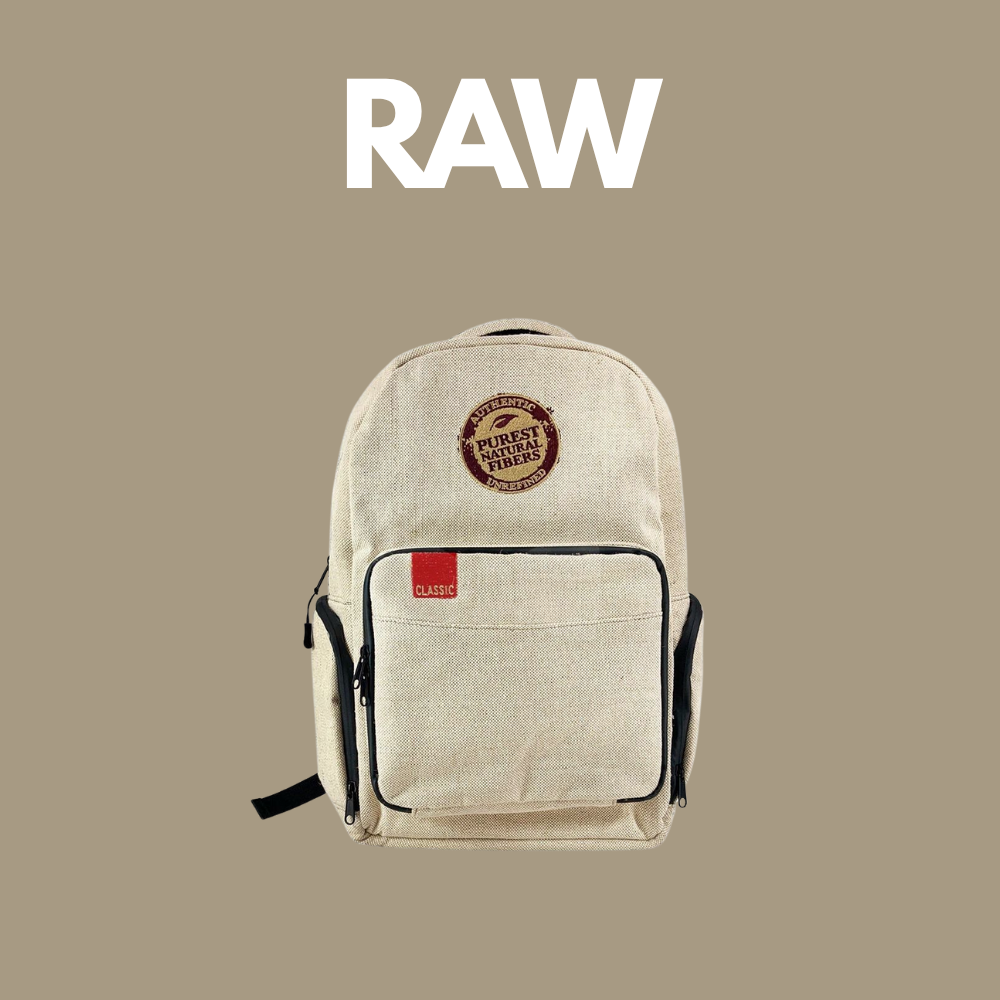
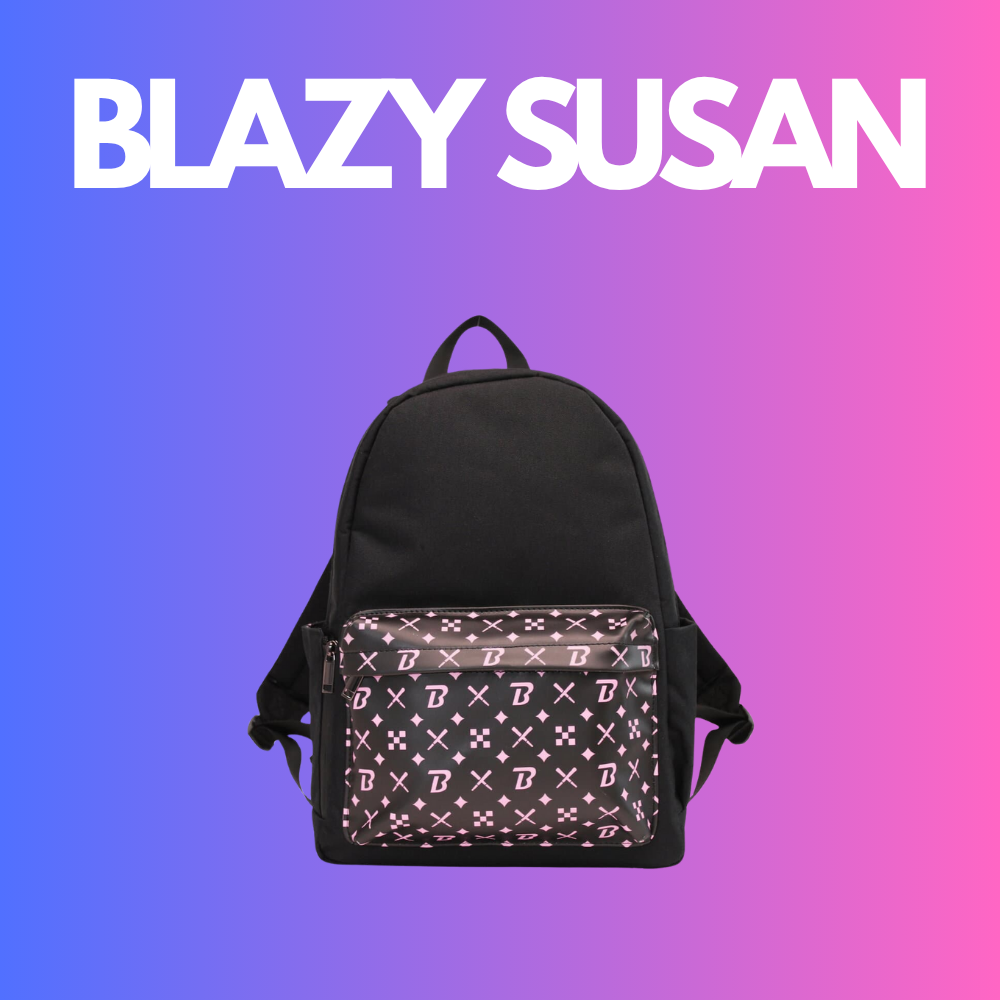
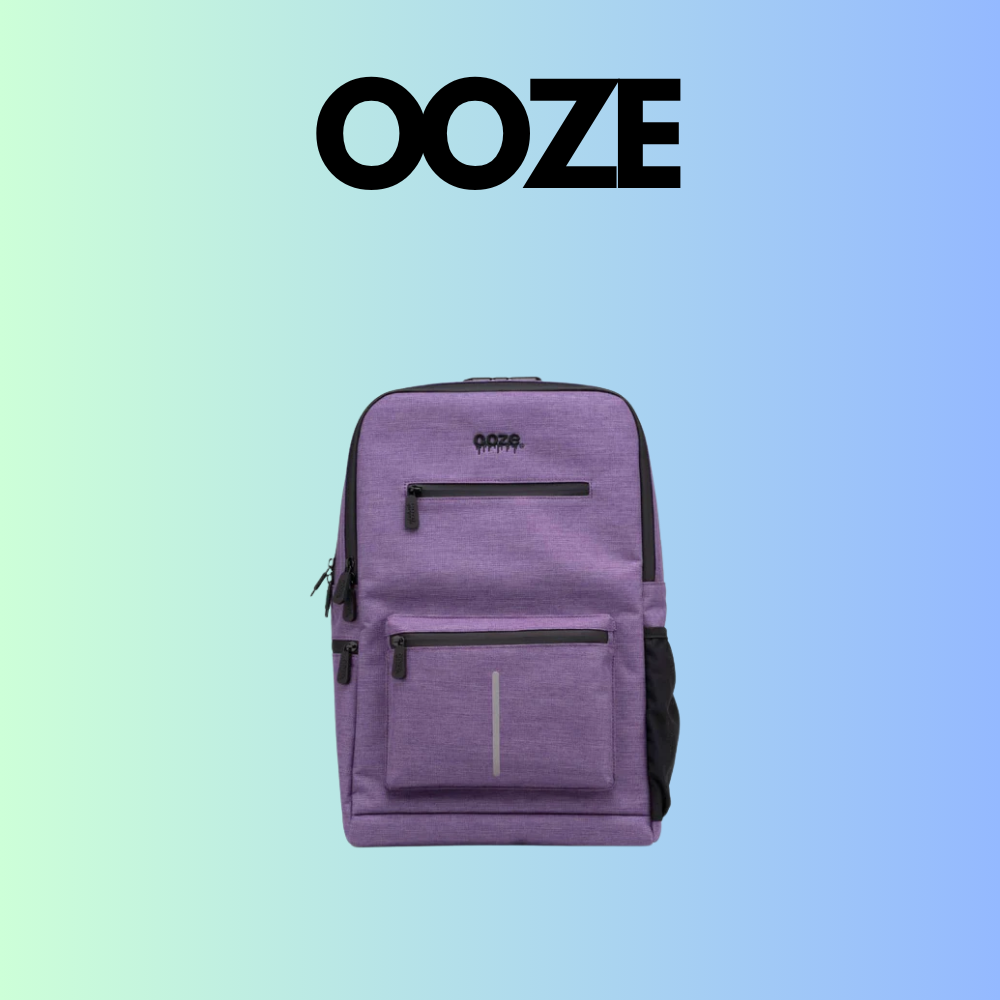
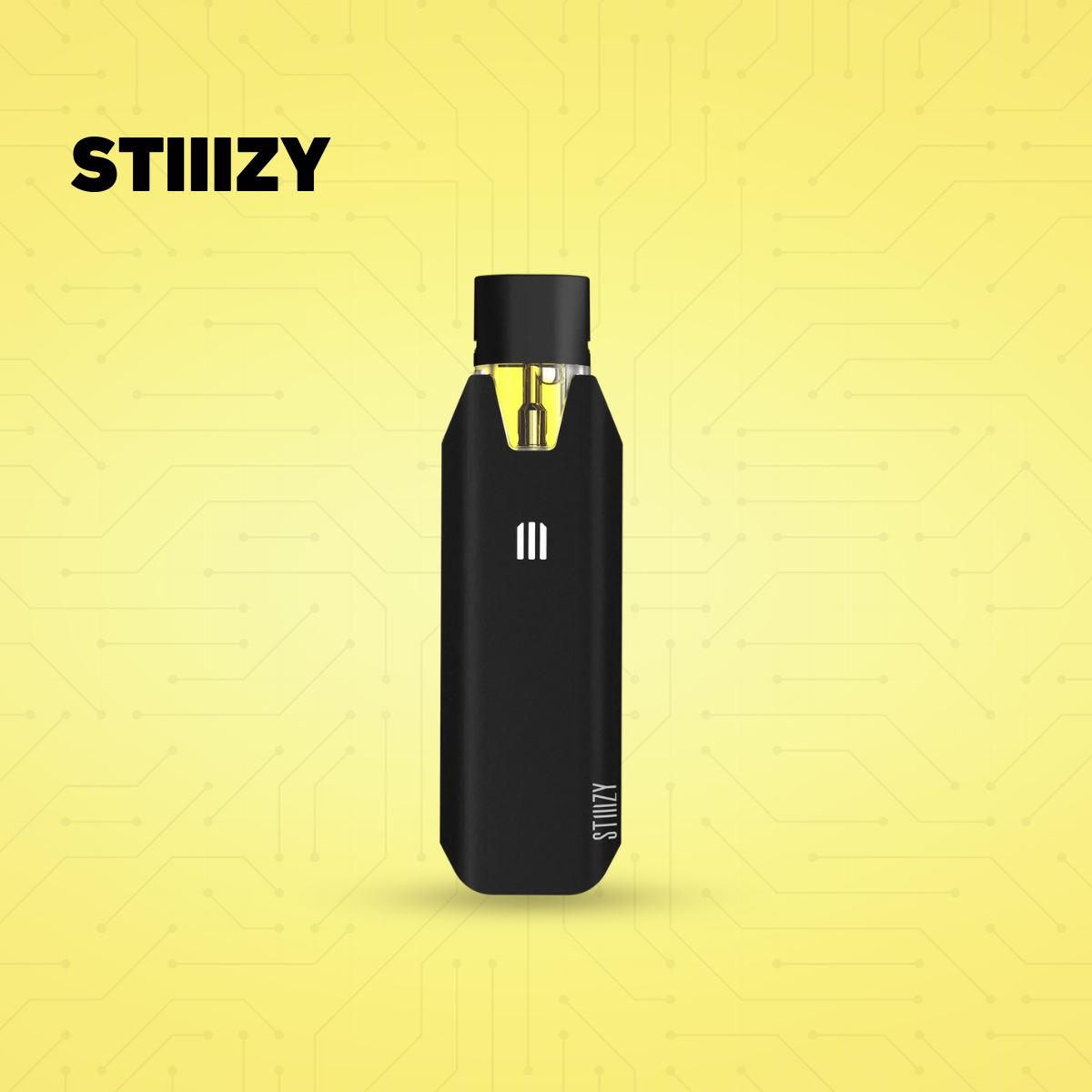


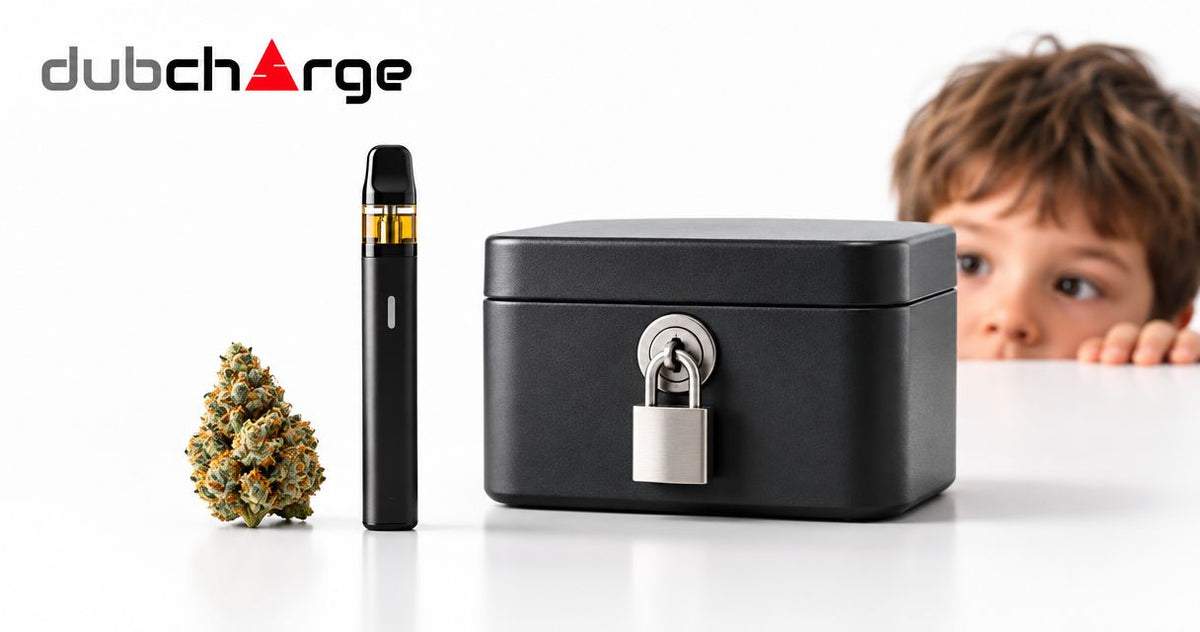
Keep cannabis vapes in their original labeled packaging inside a locked container or cabinet, out of children’s sight and reach, and keep the key or code inaccessible to them. For cannabis vape child safety storage in 2026, treat child-resistant packaging as an additional barrier—not a substitute for a lock—and call Poison Control immediately if a child might have been exposed.
- Cannabis vape child safety storage requires locked storage, original labels, and keys or codes children cannot access.
- Child-resistant packaging is not childproof; a high shelf alone does not prevent access.
- Call U.S. Poison Control at 1-800-222-1222 for suspected exposure; do not wait for symptoms.
- Dubcharge’s cannabis lab-report guide explains testing information, which does not replace secure storage.
How can adults keep cannabis vapes away from children?
Use locked storage every time, including between uses, during visits, and while arranging disposal. CDC cannabis-poisoning guidance advises keeping cannabis products in child-resistant containers, out of children’s sight and reach, and secured against access.
A label or laboratory report answers a different question from a lock. Dubcharge’s guide to how to read a cannabis lab report explains testing information; a passing report does not establish that a product is safe for children.
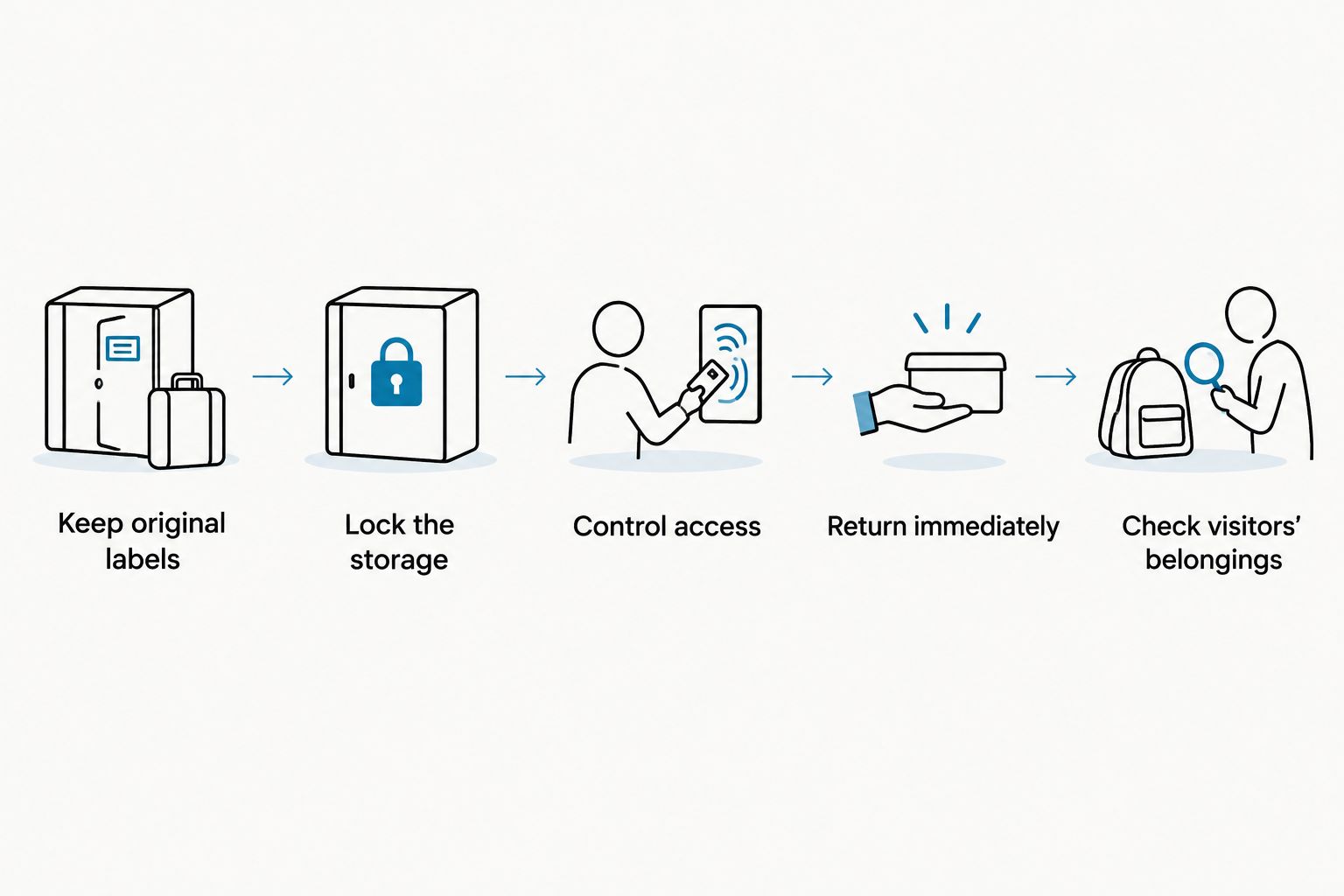
Build your household routine around these steps:
- Keep original labels. Retain the packaging that identifies the contents, ingredients, warnings, and batch information. Do not transfer cannabis products into food containers or other misleading packaging.
- Lock the storage. Place products inside a locked cabinet or container. A closed drawer, zipper, or ordinary latch is not equivalent to a lock.
- Control access. Keep keys separate from the storage location and inaccessible to children. Do not share the code with children or leave it written beside the lock.
- Return immediately. Put products away as soon as you finish handling them. Avoid temporary stops on counters, nightstands, couches, or inside unattended bags.
- Check visitors’ belongings. Ask visiting adults to secure any cannabis products they bring. Apply the same rule to purses, backpacks, jackets, and overnight bags.
This creates 2 separate barriers: child-resistant packaging and locked storage. Neither barrier makes access impossible, so adults still need to close packaging correctly and secure the lock each time.
Why this matters
Cannabis exposure can cause serious illness in children. CDC guidance describes effects including marked sleepiness, difficulty walking, and trouble breathing; a child does not need to intentionally operate a vape to encounter its contents.
A child might mouth a device, handle a leaking cartridge, or swallow accessible material. Store the entire product securely, not just a component you believe contains the cannabis.
For a 2026 household safety plan, separate prevention from emergency response. Locks reduce access; a saved Poison Control number helps you respond when prevention fails.
Which storage arrangements provide a meaningful barrier?
A storage location needs to prevent access, not merely make a product harder to notice. The comparison below describes household arrangements, not certified performance claims about particular containers.
| Storage arrangement | Useful feature | Limitation | Best use |
|---|---|---|---|
| Locked cabinet with controlled key or code | Restricts access to its contents | Fails when left unlocked or when children can access the key | Fixed household storage |
| Locked portable container | Can keep products secured while away from the usual storage area | Can be misplaced, left open, or carried away | Temporary storage under adult control |
| Original child-resistant packaging alone | Adds an opening barrier and preserves identifying information | Is not childproof and does not replace locked storage | An additional barrier inside locked storage |
| High shelf or unlocked drawer | Moves products away from immediate view or reach | Does not prevent climbing, searching, or access by older children | Not suitable as the only safeguard |
Choose a location you can reliably lock after every opening. A complicated arrangement that adults routinely leave open defeats its purpose.
Keep stored products away from heat and direct sunlight, following their labeling. Do not assume a locked container is appropriate for charging an electronic device; storage security and electrical safety are separate requirements.
Why cannabis vape storage needs vary
The rule stays the same—prevent children’s access—but the weak points differ between homes. Check these factors rather than assuming a familiar hiding place is sufficient:
- Children’s access: Consider climbing, opening drawers, reaching bags, and finding keys. Do not base the plan only on what a child can reach today.
- Shared spaces: Kitchens, bathrooms, bedrooms, and living rooms can become accessible during ordinary routines. A private room is not necessarily a locked room.
- Adult handoffs: Every caregiver needs to know who secures products and where keys belong. Unclear responsibility leaves gaps.
- Visits and travel: A household lock does not secure a guest’s bag or products taken elsewhere. Plan for temporary storage before arriving.
- Product condition: Leaks, damaged packaging, and items awaiting disposal need controlled access too. “Finished” does not mean harmless.
Review these points when routines change. A visiting child, new caregiver, move, or overnight stay can make an old storage arrangement unsuitable without changing the product itself.
Is child-resistant packaging enough to protect children?
Child-resistant packaging is an additional barrier, not permission to leave cannabis products accessible. The U.S. Consumer Product Safety Commission explains that child-resistant packaging is not childproof.
Close the package according to its instructions after every opening. If the closure is broken or no longer works as intended, do not rely on it; keep the product inaccessible while arranging appropriate handling or disposal.
Original labeling also helps during an exposure call. A clear package can identify the stated ingredients and product type, but it cannot tell you how much a child encountered or predict the child’s response.
Does a THC-A or hemp label change the storage rule?
A THC-A or hemp label does not reduce the need for locked storage. Do not use marketing terms, a cannabinoid name, or a laboratory result to decide that a product is safe for a child to handle.
A label alone does not establish the complete contents of a product or the consequences of an exposure. If a child encounters an unfamiliar cannabis or hemp product, give Poison Control the exact label information instead of trying to interpret the risk yourself.
In 2026, distinguish household safety advice from legal advice. U.S. cannabis and hemp rules vary by jurisdiction; a product’s legal status does not make it appropriate or safe for children.
What should adults do if a child might have been exposed?
In the United States, call Poison Control at 1-800-222-1222 immediately for a suspected exposure, even if the child seems well. The service is available 24 hours a day, 7 days a week.
Call 911 if the child has trouble breathing, has a seizure, collapses, or cannot be awakened. Follow the dispatcher’s instructions rather than delaying to identify the product.
For other suspected exposures:
- Move the product away from the child and prevent further access.
- Call Poison Control and describe what happened, including possible swallowing, inhalation, skin contact, or eye contact.
- Keep the packaging available. Share the child’s age, known symptoms, product name, stated ingredients, and estimated exposure time.
- Follow case-specific instructions. Do not induce vomiting or give home remedies.
Do not wait to work out a dose before calling. Missing liquid, an open package, or an uncertain account from a child is enough reason to seek professional advice.
For this 2026 U.S. guide, the emergency-response references are Poison Control’s poisoning first-aid guidance and CDC cannabis-poisoning guidance. These support immediate professional assessment, not an at-home diagnosis.
How should adults handle leaks, damaged devices, and disposal?
Keep damaged or unwanted cannabis vapes inaccessible until an appropriate disposal service accepts them. A device that no longer operates can still contain cannabis material and a battery.
Do not open, puncture, crush, or attempt to repair a damaged device. If it is hot, smoking, or showing signs of fire, keep people away and contact emergency services.
For a leak, prevent children from touching the device or contaminated area. Avoid bare-skin contact with leaked contents, and ask Poison Control for instructions if anyone has been exposed.
For disposal in the United States, contact your local household hazardous-waste program and describe both the battery and cannabis residue. Acceptance rules differ, so confirm the program’s instructions rather than assuming an ordinary recycling bin is suitable.
EPA guidance on used lithium-ion batteries says they do not belong in household trash or municipal recycling bins because of fire risks. Do not dismantle an integrated device to separate its battery; ask the receiving program how to handle it intact.
What should change when visitors or caregivers arrive?
Tell adults the storage rule before children enter the space. A straightforward instruction works: cannabis products stay locked away, and bags containing them cannot be left where children can reach them.
Check bedrooms, bathrooms, entryways, and places where guests put belongings. Do not assume another adult’s packaging is child-resistant or that a zipped bag provides a sufficient barrier.
At another household, ask about secure storage before bringing a product inside. If appropriate storage is unavailable, do not leave cannabis products in an accessible bag, room, or vehicle.
Keep the emergency number available to every caregiver. A prevention plan is incomplete if only one adult knows where the product information is or whom to call.
FAQ
What’s the safest way to store cannabis vapes around children?
Keep cannabis vapes in their original labeled packaging inside locked storage, out of children’s sight and reach. Keep keys or codes inaccessible, and secure products immediately after handling them.
Is a high shelf enough to keep a cannabis vape away from a toddler?
A high shelf is not a substitute for locked storage. Children can climb, and a shelf does not prevent access by older children or during changes in supervision.
Can I leave a cannabis vape in my purse if the zipper is closed?
A closed purse zipper is not secure cannabis storage. Keep the product in locked storage and prevent children from accessing bags that contain cannabis products.
Does child-resistant mean a child cannot open the package?
Child-resistant does not mean childproof. Close the package correctly and use it as an additional barrier inside locked storage.
Who should I call if my child puts a cannabis vape in their mouth?
In the United States, call Poison Control at 1-800-222-1222 immediately, even without symptoms. Call 911 for trouble breathing, a seizure, collapse, or inability to awaken the child.
Can an empty disposable cannabis vape go in the kitchen trash?
Do not put a battery-containing disposable vape in household trash or municipal recycling. Keep it away from children and ask your local hazardous-waste program about handling a device containing a battery and cannabis residue.
Does a passing cannabis lab report mean a product is safe around children?
A passing cannabis lab report does not establish safety for children. Testing information does not replace locked storage or professional assessment after a suspected exposure.
What should my family include in a cannabis storage plan in 2026?
A 2026 cannabis storage plan should identify locked storage, key or code control, visitor precautions, and emergency contacts. Every caregiver should know the U.S. Poison Control number, 1-800-222-1222, and when to call 911.
One last thing
Check where the product rests before it reaches the lock. A secure cabinet cannot protect a child while a vape sits on a counter, in a jacket pocket, or beside an overnight bag.
Make returning it to locked storage part of the same action as handling it—not a task for later. The most useful household check is whether every adult follows that rule when interrupted, tired, or hosting guests.



Leave a comment
This site is protected by hCaptcha and the hCaptcha Privacy Policy and Terms of Service apply.