






Yes, you can use CBD in a vape. You just need a verified 510-threaded CBD cartridge and a compatible 510 vape battery, then you set a low voltage for a smoother draw. The part that trips most beginners up is not the setup.
Here’s what matters most right now:
- CBD cartridges are not designed to get you high, but THC content must be verified.
- A 510-threaded cartridge fits any 510-threaded battery because the connection is standardized.
- Check the COA first and confirm cannabinoid totals plus the THC line item.
- Start at 2.5 to 3.0V to reduce harsh hits and protect terpene flavor.
- Store your pre-filled cartridge upright to help reduce leaking between sessions.
- Replace the cartridge when flavor stays burnt, airflow stays tight, or vapor drops off.
We focus on 510-threaded vape battery compatibility and cartridge curation, because guessing is how people end up with harsh pulls or questionable carts. With 100,000+ satisfied customers, personalized customer support, and free unlimited returns, we keep the process straightforward, especially when you are shopping for a verified setup. 21+ only. Vaping products contain inhalation risks, and hemp-derived products must stay under 0.3% Delta-9 THC federally, with state shipping restrictions.
Start by choosing the CBD cart type that matches your goal, because isolate, broad-spectrum, and full-spectrum carts can feel very different even on the same 510 battery.
Pick the CBD cart type that matches your goal

Before you compare 510 batteries, lock in what type of CBD cartridge you want. This is the fastest way to avoid accidentally buying something with THC in it, because the cart type determines what the label should say and what your COA needs to prove.
CBD isolate carts
Choose an isolate cart when your goal is “CBD only.” Your label expectation is simple: it should clearly state THC-free (or 0% THC), because isolate is meant to be pure CBD.
Flavor and smell are usually milder than other hemp extracts. In day-to-day use, that tends to read as less “hempy” on the exhale, which makes isolate the simplest option for discretion when you are trying to keep attention off your cart.
Isolate is also the cleanest pick if you know THC does not agree with you. In our experience, shoppers who get anxiety from THC feel more confident sticking to isolate because there is no intentional THC content in the formulation.
- Label to look for: “CBD isolate” plus a clear THC-free or 0% THC statement
- What to expect: light aroma, minimal hemp taste compared to other types
- Best fit: low-profile use and anyone avoiding THC effects
Broad-spectrum CBD carts
Broad-spectrum carts are the middle ground: you get minor cannabinoids, but the product is formulated to be nearly THC free. That “no THC” claim should not be taken on faith, because the real check is the COA line items.
Effects often feel richer than isolate because broad-spectrum keeps more of the plant’s compounds. A healthcare professionals primer discusses why broad- or full-spectrum products can feel different, often explained as an “entourage effect.”
Flavor-wise, expect more terpene character than isolate. That can mean a more noticeable taste and aroma, even when the cart is not full-spectrum.
- Label to look for: “broad-spectrum” or “THC removed” style language (not just “CBD”)
- COA requirement: THC listed as ND (not detected) on the cannabinoid panel, not just “< limit” in marketing text
- Taste expectation: terpene-forward compared to isolate, with a clearer hemp or strain-style profile
Full-spectrum CBD carts
Full-spectrum carts can contain trace THC. That is not automatically a problem, but it is a deal-breaker if your goal is zero THC for personal, workplace, or testing reasons.
You should expect a stronger hemp profile in both taste and aroma. Full-spectrum keeps more of the plant’s natural compounds, so it usually hits more “whole-plant” than isolate or broad-spectrum.
Your COA focus here is delta-9 THC percentage, since hemp products are typically positioned to stay under the federal <0.3% delta-9 THC threshold (state rules can be stricter). If the COA is missing a clear delta-9 line item, or it is hard to match the COA to the exact product, skip it.
- Label reality: “full-spectrum” means trace THC is possible
- COA priority: find delta-9 THC on the potency panel and confirm it is compliant for your needs
- Not a fit: anyone who needs a true zero-THC product
Verify THC and authenticity in under two minutes

Before a CBD 510-threaded cartridge ever touches your battery, you can screen it in about two minutes. Your goal is simple: confirm the THC line items match what you want, and confirm the product is real by matching paperwork to packaging.
COA lines you must confirm
The fastest way to avoid surprise THC is to read four specific lines on the Certificate of Analysis (COA) and make sure they match the label. Potency mislabeling is common in this category, and ACS Laboratory testing standards call out noncompliant THC levels and missing cannabinoids as key red flags.
You are not looking for fancy wording. You are looking for numbers you can verify and a batch identifier you can match to the box or cartridge packaging before you ever take a draw.
- Delta-9 THC percent: find “Delta-9 THC” (sometimes “D9-THC”) and confirm it is under 0.3% on a dry weight basis if the product is being sold as federally compliant hemp. If the COA shows higher, assume psychoactive potential and possible shipping restrictions.
- THCa and total THC math: locate “THCa” and “Total THC.” Many COAs calculate Total THC as: Total THC = (THCa x 0.877) + Delta-9 THC. You do not need to be perfect at math, but you should understand that a high THCa number can convert when heated and may not match your goal of “no high.”
- CBD potency per gram: confirm CBD is reported in mg/g or percent, and that it matches the label claim for a 1g cart.
A label that claims “high potency” without a CBD number, or a COA that does not list CBD at all, is a pass.
Batch number match: the COA batch or lot number must match the batch/lot printed on the package. If there is no match, the COA is not proof for the cart in your hand.
Counterfeit red flags fast
Counterfeits usually fail on consistency, not on one single detail. You are checking whether the brand’s packaging, IDs, and traceability look like a real manufacturing workflow instead of a generic box with a flashy strain name.
We see a lot of carts that look legit until you try to verify them and the trail stops. Do these quick checks before you attach the cartridge to your 510 battery.
- Generic packaging and typos: blurry fonts, mismatched strain names, inconsistent warnings, or obvious spelling mistakes are common on knockoffs. Real brands are boringly consistent across box, sticker, and cart.
- Missing manufacturer contact: look for a real company name and a way to reach them (email, phone, physical address). If the only “contact” is a social handle, you have no accountability.
- QR code dead ends: scan the QR and confirm it resolves to a working COA page for that exact product, not a homepage, a dead link, or a random PDF folder with no identifiers.
- No batch or fill date: absence of a batch/lot number is the biggest tell.
A fill/pack date is not always required, but when it is missing alongside batch info, traceability is weak.
If even one of these fails, do not “test it anyway.” Counterfeit oil can perform unpredictably and it is not worth finding out by inhalation.
Legal and shipping reality check
You still have to pass the basic compliance filters even when a product claims “CBD.” Most reputable retailers and carriers enforce age gates and restrictions, and your state may treat hemp-derived cannabinoids differently than the state next door.
- 21+ purchase requirement: expect age verification at checkout or delivery for cannabis and vape-related products. If a seller has zero age gate, that is a credibility problem.
- Federal under 0.3% D9-THC: for hemp-positioned CBD carts, the key compliance claim is Delta-9 THC under 0.3% on a dry weight basis, backed by a COA that matches the batch.
- State restriction differences: some states restrict certain cannabinoids, impose special labeling rules, or block shipment entirely. Check your local rules before you order, not after your package is delayed or returned.
- Do not travel assumptions: do not assume that a cart legal to buy where you live is fine to carry across state lines or through airports.
Treat travel as a separate decision with its own rules.
Choose a 510 battery that makes CBD vaping easy

A 510-thread is the compatibility standard that makes this simple: any 510-threaded cartridge fits any 510-threaded battery. Most “rough first hits” we see are not from the cart alone, but from using the wrong power level on a battery that cannot be adjusted.
Look for built-in battery protections (like short-circuit and overcharge protection) and buy from a retailer that will still answer your questions after checkout. With our unlimited returns policy and personalized customer support, we can help you confirm the battery and cartridge pairing before you commit.
Pen style for pocket use
Pen style batteries are the easiest daily carry for CBD carts because they are light, discreet, and fast to use. They are a strong match when you want a few quick pulls and then you are back to your day.
You typically get two simple options: button-activated or autodraw. Button models give you a little more control (you decide exactly when it heats), while autodraw feels more like “pick up and go.”
For light users, a pen battery is usually enough to get through the day without hunting for a charger, as long as you are not chain-hitting it. The tradeoff is that small batteries can feel less consistent when the charge gets low, which can make vapor feel sharper if you compensate by pulling harder.
- Choose pen style when: you want lightweight daily carry and short, quick sessions
- Button vs autodraw: button for deliberate starts, autodraw for simplest operation
- Charging reality: best for light-to-moderate use, not all-day heavy sessions
High-capacity for heavy use
High-capacity 510 batteries are built for fewer charging cycles and more consistent performance. If CBD vaping feels harsh to you, consistency matters because a battery that holds voltage steady is easier to tune and repeat.
These are the better fit if you go through 1g cartridges quickly or take longer sessions. Under load, a bigger battery tends to deliver steadier power instead of dipping mid-pull, which can lead to uneven heat and an irritant-feeling hit.
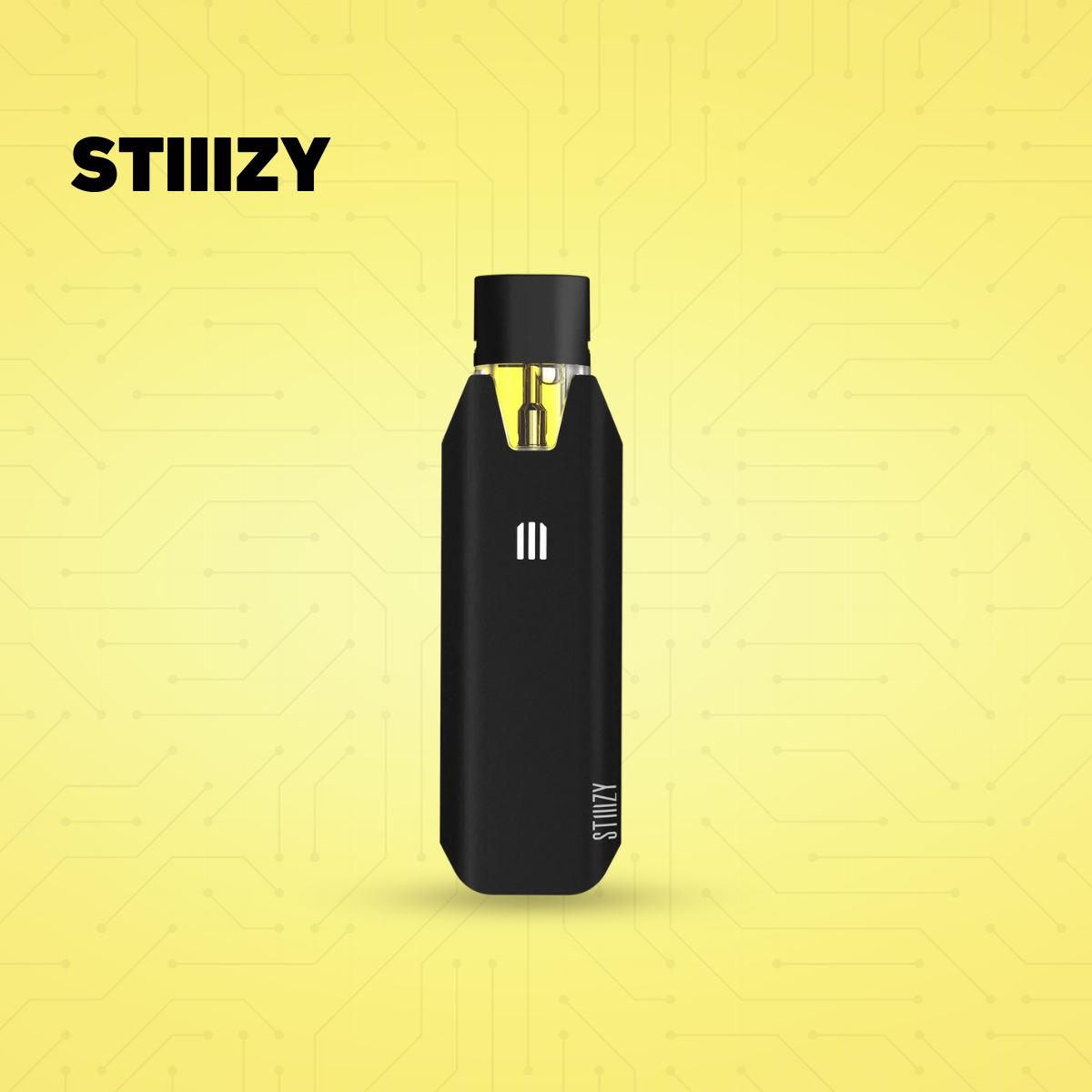
You also get a stronger build for travel: less flex at the connection, more protection in a bag, and fewer “why did it stop hitting?” moments from a bumped battery. If you want a straightforward option we stock, the Biiig Stiiizy Pen Battery is a compact, long-lasting 510 choice that keeps the setup simple without jumping into bulky gear.
- Best for: frequent use and 1g daily users who do not want to charge often
- Performance edge: steadier power delivery during longer pulls
- Travel edge: tougher body and less finicky connection in pockets and bags
Why variable voltage matters
Variable voltage is the single most practical control you have for harshness. Start with a 2.5 to 3.0V baseline, then adjust in small steps based on how the vapor feels and tastes.
Lower volts usually mean smoother pulls and better flavor because the oil heats more gently. Higher volts can produce thicker vapor, but it also raises the chance you scorch terpenes, which is where that burnt, peppery terp taste comes from.
If you keep getting a rough hit, do not “hit it harder.” Drop the voltage first, take a slower, gentler draw, and stop as soon as flavor dulls. The thermal degradation research is a good reminder that pushing too hot can break down compounds and flatten the experience.
- Baseline: 2.5 to 3.0V for most CBD distillate cartridges
- Go lower when: the pull feels sharp, your throat gets irritated, flavor tastes thin or dry
- Go higher when: vapor is too light and flavor still stays clean
- Stop and lower voltage if: you taste burnt terpenes or the cart runs hot fast
Set up your cart and dial in 2.5-3.0V

How your cartridge sits between sessions matters as much as your voltage. Store it upright to reduce leaks into the mouthpiece and airflow holes, and keep it at room temperature so the oil stays at a workable viscosity instead of getting overly thick (cold) or runny (heat).
21+ only. Nicotine products are addictive, and cannabis products can be intoxicating and impairing. Do not drive or operate machinery after use, and know your local rules since shipping and possession restrictions vary by state and by product type.
Attach the cartridge correctly
Most harsh, “too hot” first hits come from a low battery, a stressed connection, or preheating when you do not need it. A clean, fully charged 510 battery and a gentle install lets you start in the 2.5 to 3.0V range without scorching the oil.
In our experience, overtightening is the beginner mistake that causes the most headaches. It can damage threads, pinch the connection, and lead to inconsistent firing that feels rough even at low voltage.
- Minute 0-3: Charge your battery fully with the correct charger so voltage stays stable under load.
- Minute 3-4: Inspect the bottom threads and center pin on both battery and cartridge. If anything looks crooked or gritty, stop and realign before you twist.
- Minute 4-5: Screw the cartridge on clockwise until it is snug, then stop. Do not “crank” it down.
- Minute 5+: Keep the cartridge upright after attaching, especially if you are carrying it in a pocket or bag.
- Preheat: Use it only if the oil is cold and you are getting weak vapor.
One short preheat is plenty; repeated preheats are a fast way to overheat a small cartridge.
Your first pulls routine
Start at 2.5V and treat your first few pulls like a function check, not a cloud contest. Short draws and pauses keep the wick supplied and the oil from cooking, which is where that sharp, scratchy taste usually comes from.
Use this pacing for the first 5 minutes, then adjust only if flavor stays clean. thermal degradation research matters here: many terpenes volatilize between 250-320°F (121-160°C), THC begins degrading around 315°F (157°C), and high-voltage settings can push cartridges beyond 400°F.
- Minute 0: Set voltage to 2.5V (or the lowest setting in the 2.5-3.0V range).
- Minute 1: Take 1 draw for 2-3 seconds. Keep it gentle and steady, not a hard pull.
- Minute 2-3: Wait at least 60-90 seconds before the next draw so the heater and oil can recover.
- Minute 3-5: Take a second 2-3 second draw, then do a taste check. If it tastes clean and you want a little more vapor, move up in small steps toward 3.0V.
- Avoid blinkers early: holding the button until the battery cuts off is the easiest way to overheat a fresh cartridge and turn the flavor harsh.
If the flavor gets sharp or burnt at any point, drop your voltage back down and extend the wait time before you take the next pull.
Fix harsh hits, weak vapor, and leaks without guessing

Replace the cartridge when the oil is nearly gone, the flavor stays burnt even at low voltage, or the draw stays tight after you clear the airflow. Also swap it if you see cracks, a loose mouthpiece, or persistent leaking from the base seal.
Replace the battery when a full charge still gives weak output, the button or auto-draw misfires, or the voltage feels inconsistent from hit to hit. Dirty 510 threads can mimic a failing battery, so wipe the battery connection and the cartridge base before you call it.
Harsh hit troubleshooting ladder
A harsh hit almost always means you are running too hot or pulling too hard for the oil and airflow you have. Change one variable at a time, because stacking fixes can hide the real cause and cook the distillate.
Start with voltage. Drop it first, then test with one short pull. Lower heat preserves flavor and usually removes that throat bite without needing any other changes.
Next, shorten your draw length. Long pulls overheat a small heating chamber fast, especially on thicker CBD distillate cartridges.
Then check airflow. A blocked vent or a mouthpiece with oil in it forces you to pull harder, which increases heat and irritation. Finally, avoid chain hits.
Give the cart time to re-wick between pulls so you are not vaporizing a dry spot.
- Drop voltage first: step down and stop as soon as the hit smooths out
- Shorten draw length: quick 1 to 3 second pulls beat long drags
- Check airflow blockage: inspect and clear the small airflow holes and mouthpiece path
- Avoid chain hits: wait a bit between pulls so oil can re-saturate the wick
Leaks and clogs triage
Leaks and clogs are usually storage and temperature problems, not a “bad cart.” Keep the oil where it belongs and get it moving again with gentle heat and light suction, not brute force.
Make upright storage a default habit. Sideways storage lets oil migrate into the mouthpiece and airflow path, which can look like a clog and later turn into a leak when it warms up. The CCELL troubleshooting guide calls out upright, room-temperature storage and gentle warming to help oil settle when bubbles or viscosity cause weak pulls.
When a cart feels plugged, warm it in your hands for a minute or two, then take a few gentle pulls without trying to rip it like a high-airflow device. Last, do not overtighten. Cranking the cart down can damage threads or compress seals, creating leaks you cannot reverse.
- Upright storage habit: keep the cartridge standing, especially overnight or during travel
- Warm cart in hands: a little heat lowers viscosity and helps oil move off the airway
- Gentle pulls to clear: slow, light suction helps open the path without flooding it
- Do not overtighten: snug is enough; overtightening can cause seal and thread issues
Get set up with DubCharge and keep it low-stress
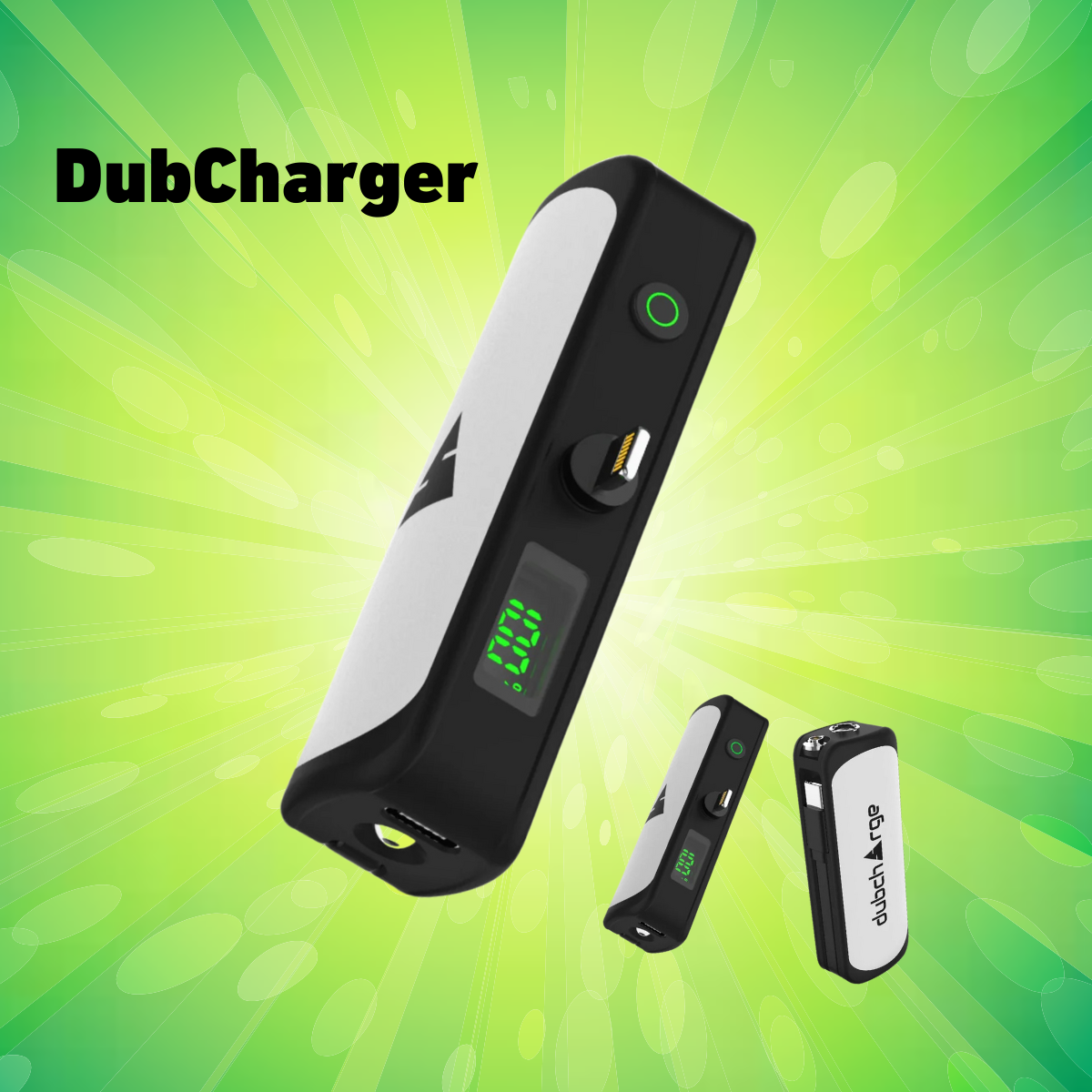
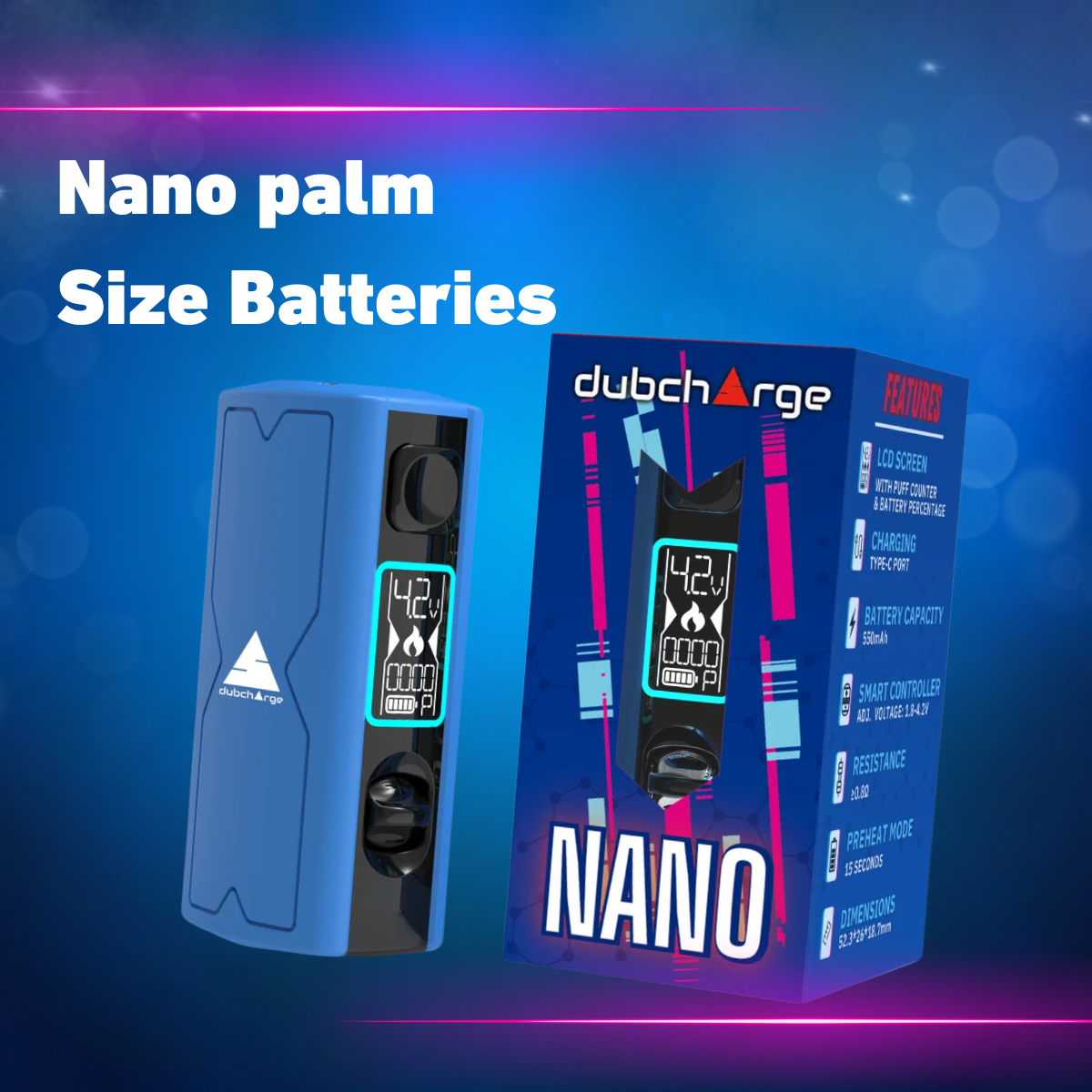
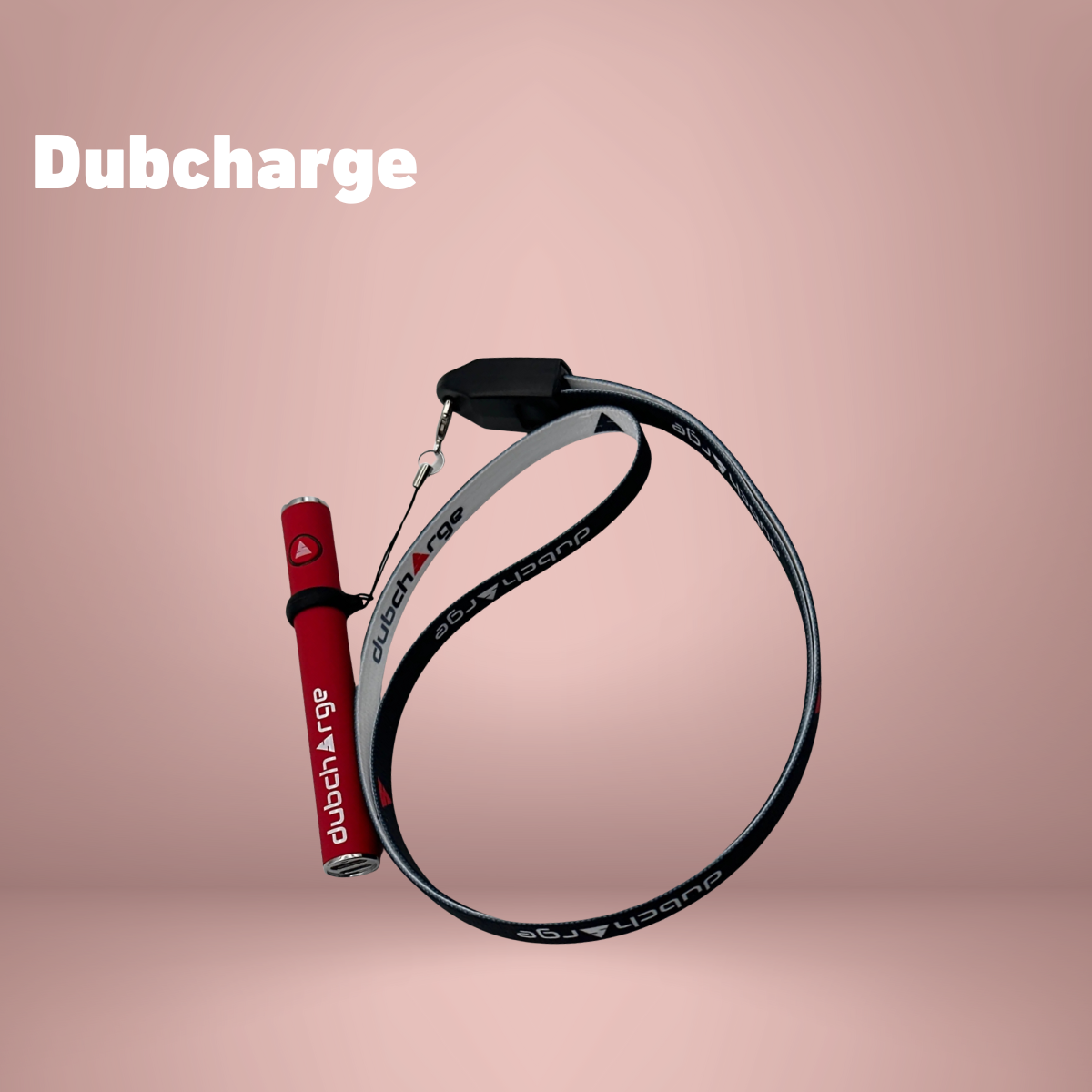
The fastest way to keep CBD vaping simple and avoid sketchy carts is to buy two things that match: a verified 510-threaded cartridge and a variable-voltage DubCharge 510 battery. That pairing gives you control over heat and a cleaner setup path, but the bigger win is removing the guesswork that counterfeit and THC-containing “CBD” listings create online.
When you shop DubCharge 510 batteries, prioritize variable voltage so you can start low and move up only if your cartridge needs it. In our experience, most harsh, burnt-tasting hits come from running a cart too hot, too early, and variable voltage lets you keep that in check.
Before you place the order, use our support team for a compatibility check. Tell us the exact cartridge brand/model you’re using and confirm it is a 510-threaded cartridge. We will verify fit and basic voltage range expectations so you are not gambling on a random product page that may be mislabeled.
If what arrives is not what you expected, you are covered with free unlimited returns. That matters for this category, where packaging can look legit while the contents do not match the listing. Orders $50+ also qualify for free discreet shipping. 21+ only.
Cannabis products contain intoxicating compounds and carry risks. Shipping is limited by state rules, and regulated hemp products must stay under 0.3% D9-THC.
Get the right 510 setup without the second-guessing
If you want CBD vaping to stay simple, you need two things: a verified 510-threaded cartridge and a 510 battery that lets you start low and adjust from there. That is how you keep flavor consistent and avoid the harsh, burnt hits that turn beginners off fast.
We stock a huge catalog so you can grab everything in one place, then build your setup around the checklist you just learned. If you are budget-focused, our Budget THCA Vape Cartridges 1g make it easy to start, and pairing them with a variable-voltage option like the PuffCo Proxy Vape Pen or a pocket-friendly Biiig Stiiizy Pen Battery keeps control in your hands.
Order if you are 21+ only. Cannabis products carry risk, may be intoxicating, and shipping is limited by federal rules (<0.3% D9-THC) plus state restrictions. If you want a quick compatibility check before you buy, reach out to our support team.
Frequently Asked Questions
Can you use CBD in a vape?
Yes, as long as you are using a CBD 510-threaded cartridge with a compatible 510 battery. Start at a low voltage around 2.5 to 3.0V, take short pulls, and adjust upward only if you need more vapor.
Does CBD vape get you buzzed?
CBD itself is not typically associated with a THC-like high, but the details depend on what is actually in the cartridge. Check the COA for THC line items before you buy, and remember that full-spectrum products may include trace cannabinoids.
Will a 510 cartridge fit on any 510 battery?
In most cases, yes. A 510-threaded cartridge is designed to screw into a 510-threaded battery, but you still want to avoid over-tightening and use a battery with a voltage range that matches how you like to vape.
How long does a 1g CBD cartridge last?
It depends on your draw length and how often you vape. Many people get about one to two weeks from a 1g cartridge with regular daily use, while heavier use can run through it much faster.
What's the difference between THCA and CBD cartridges?
A THCA cartridge can convert to THC when heated, so it can be intoxicating. A CBD cartridge focuses on cannabidiol, which is not typically intoxicating, but you should still verify the lab report to confirm cannabinoid content.


Leave a comment
This site is protected by hCaptcha and the hCaptcha Privacy Policy and Terms of Service apply.