









Yes, you can use CBD in a vape, as long as you have a 510-threaded cartridge and a compatible 510 vape battery. What trips most people up is not the setup, it is verifying what is actually in the cart and choosing a battery that lets you control voltage for smoother flavor.
Here’s what matters most:
- A true 510-thread connection is the universal fit check for carts and batteries.
- Use the COA to confirm THC lines before you trust a “CBD” label.
- Counterfeit risk drops when you buy sealed, branded carts from known retailers.
- Variable voltage helps you tune flavor and reduce harshness on your first draws.
- Start around 2.5 to 3.0V, then increase only if vapor feels too light.
- Battery wobble usually means poor threading contact or over-tightening the cart.
We have helped 100,000+ satisfied customers keep cartridge vaping simple by focusing on compatibility and verified options. Our catalog includes 510-thread batteries like the Biiig Stiiizy Pen Battery and adjustable-voltage options like the PuffCo Proxy Vape Pen, plus a free unlimited returns policy and personalized customer support. 21+ only. CBD and cannabis products may carry risks, and legality and shipping rules can vary by state and by THC content, including the federal <0.3% delta-9 THC threshold.
Start where the decision actually begins: the CBD cart type you choose, because isolate, broad-spectrum, and full-spectrum carts can change both your THC exposure and how your pulls feel.
Start by choosing your CBD cart type
The fastest way to avoid accidentally buying THC-containing or counterfeit CBD vape products is to choose the right CBD cart type first. Your cart type sets your THC exposure ceiling, your flavor expectations, and how strict you need to be when you read the COA (certificate of analysis).
CBD isolate carts
CBD isolate carts are the go-to when THC avoidance is the top priority. They are built around a single cannabinoid, so you are not relying on a “blend” that can drift into trace THC territory.
Flavor is usually lighter and more neutral because you are not carrying as much of the plant’s native cannabinoid and terpene complexity. In practice, that often means less “hempy” taste and fewer earthy notes.
Ingredient lists also tend to be simpler, which helps you spot odd additives quickly. A basic isolate cart is typically CBD isolate or CBD distillate plus a terpene blend, without a long roster of minor cannabinoids.
- Best match for: zero-THC shoppers and anyone THC-sensitive
- Typical taste: mild, less hemp-forward
- What you should see on the label: short, readable ingredients you can recognize
Broad spectrum CBD carts
Broad spectrum CBD carts sit in the middle: you may get additional cannabinoids beyond CBD, and trace cannabinoids are possible. This is where shoppers can get surprised if they assume “broad spectrum” always means “no THC.”
These carts are commonly marketed with a stronger entourage angle, meaning the combined effect of multiple cannabinoids and terpenes is framed as more than any single compound alone. You will see this idea discussed in research on the entourage effect.
Counterfeit and misrepresented products often fall apart at one place: the COA. For broad spectrum, the THC line item is not optional reading, it is the decision point.
- You want the COA to list potency by cannabinoid, not just “total cannabinoids”
- Find the THC entry and confirm it is explicitly reported (not missing, not cropped out)
- Match the COA to the exact product you are holding (same name and batch/lot when provided)
Full spectrum CBD carts
Full spectrum CBD carts are the most “whole-plant” leaning option, which also makes a hemp taste more likely. Expect more earthy, grassy, or resin-like notes compared to isolate carts.
They also carry the clearest trace THC risk because the formulation includes a wider range of naturally occurring hemp compounds. Even when a product is intended to stay under legal hemp thresholds, you are not operating in a zero-THC lane.
That is why full spectrum is not a great fit for zero-THC needs, including anyone trying to minimize THC exposure as much as possible. If THC avoidance is your main filter, pick isolate instead of trying to “shop around” within full spectrum.
- Typical taste: more hemp-forward and robust
- THC reality: higher likelihood of trace THC than isolate or many broad spectrum options
- Best match for: shoppers who accept trace THC as part of the profile
Use this 2-minute COA checklist before you buy
Before you spend money on a 510 battery, confirm the cartridge is what it claims to be. A real COA (certificate of analysis) closes the trust gap fast by showing THC content, the exact batch tested, and whether the document is even legitimate.
THC lines to confirm
The fastest way to avoid an unwanted buzz is checking three THC line items on the COA, not the front label. You are looking for legal hemp positioning and clear math, not vague “ND” claims.
Start with Delta-9 THC. For federally compliant hemp products, Delta-9 THC should be under 0.3% on a dry-weight basis, and the COA should show that number plainly.
Next, make sure Total THC is reported, not hidden. Total THC matters because it captures how much THC may be present when you account for precursor cannabinoids that can convert with heat.
- Delta-9 THC: confirm it is listed and reads under 0.3% (not just “compliant” with no number).
- Total THC: confirm there is a Total THC line (or the COA clearly shows how it was calculated).
- Units: confirm you understand the units, especially mg/g versus percent. A good COA makes it obvious which one you are reading so you do not misread potency by a factor of 10.
If any of these lines are missing or hard to interpret, pause the purchase and ask for a clearer COA before you commit to a cart or the battery you plan to run it on.
Batch and QR match
A legit COA must match the exact cartridge in your hand. Counterfeiters often recycle real-looking lab sheets from a different batch or even a different product.
Use a quick cross-check: the batch or lot ID on the packaging should be the same batch shown on the COA, and the product name should match closely enough that you are not guessing.
When you scan a QR code, it should take you to the lab’s hosted PDF, not a random image. ACS Laboratory's COA guidelines call out cross-referencing the COA against the label and verifying batch number and QR code matching as a basic authenticity check.
- Batch ID: match the lot or batch number on the box/tube to the COA.
- QR destination: scan it and confirm it opens a lab report PDF tied to that batch.
- Format check: avoid screenshot-only COAs that cannot be searched, verified, or traced back to the lab.
Counterfeit cart red flags
Counterfeit carts usually give themselves away in the COA details and the physical packaging. You do not need lab equipment, you just need to know what looks off.
On the paperwork side, a COA without a real lab name and address is a hard stop. If you cannot identify who tested it, you cannot verify anything.
On the product side, inspect seals and threading before you ever screw a cart onto your 510 battery.
- No lab name or address on the COA, or the lab info is generic with no way to verify it.
- Impossible potency “round numbers” that look engineered for marketing (for example, perfectly even percentages across multiple cannabinoids).
- Broken seals, loose caps, or oily residue on the cartridge threads or around the mouthpiece before first use.
If you spot any of these, do not try to “power through” it with a different voltage or device. Replace the cart with a properly documented batch instead. 21+ only.
How we ranked under-$50 510 batteries for CBD carts
Budget 510 batteries can perform, but only if you judge them on the few specs that change your CBD cartridge experience day to day. We ranked under-$50 options on voltage behavior, real-world runtime, and the small build details that prevent misfires and annoying cart wobble.
Voltage control that matters
For CBD carts, the usable voltage band is the whole game. We only scored batteries highly if they deliver a clean 2.4V to 4.2V range you can actually use, not just a marketing spec.
Low-voltage stability matters most because that is where you will likely live for flavor and smoother hits. In our experience, cheaper units often “dip” under load on the lowest setting, so your first pull feels weak and your second pull feels hotter as the device catches up.
Mode switching also has to be simple. If changing voltage is a guessing game (cryptic LEDs, inconsistent click timing), you will overshoot and run hotter than you intended.
- 2.4V to 4.2V adjustable range, with meaningful low-end settings for CBD carts
- Stable output at the lowest setting during a normal 2-4 second draw
- Clear, repeatable mode switching you can do one-handed without mis-clicks
Battery life and charging
Under $50, you should expect usable capacity, but not miracles. We rank higher mAh devices above tiny stick batteries because voltage consistency usually holds up better through the day.
USB-C is a plus, but micro-USB is still common in this price bracket, so we judge it on build quality and charge reliability, not the port type alone.
Pass-through charging (using it while plugged in) is convenient, but it adds heat and makes cable strain more likely. We treat it as an occasional backup feature, not something you should rely on as your default routine.
- Higher mAh for all-day use, with fewer “dead mid-session” surprises
- USB-C preferred, micro-USB acceptable if the port feels snug and charges consistently
- Pass-through allowed, but scored lower if it noticeably warms up during use
Build and button behavior
A budget battery still has to fit your cartridge correctly. We check 510 threads for clean machining and we dock anything that causes wobble, because wobble leads to intermittent connection and frustrating no-fire moments.
Preheat is useful on thicker distillate carts because it helps the first draw start smoothly without you cranking voltage. We value short, controlled preheat cycles over aggressive ones that run too long.
Auto-draw versus button draw is a lifestyle choice, so we rank both, but we score consistency. Auto-draw needs predictable sensitivity, and button draw needs a firm click with no rattle.
- 510 threads that seat flush and reduce cartridge wobble
- Preheat that starts vapor flow without forcing you into a higher voltage
- Reliable auto-draw activation or a crisp button that does not double-fire
Best under-$50 510 batteries by the way you vape
Under $50, the “best” 510 battery is the one that fits how you actually use a cart: pocket carry vs home use, button vs auto-draw, and how much control you want over voltage. Below, we match four proven picks to the most common day-to-day vaping situations so you can choose quickly without buying twice.
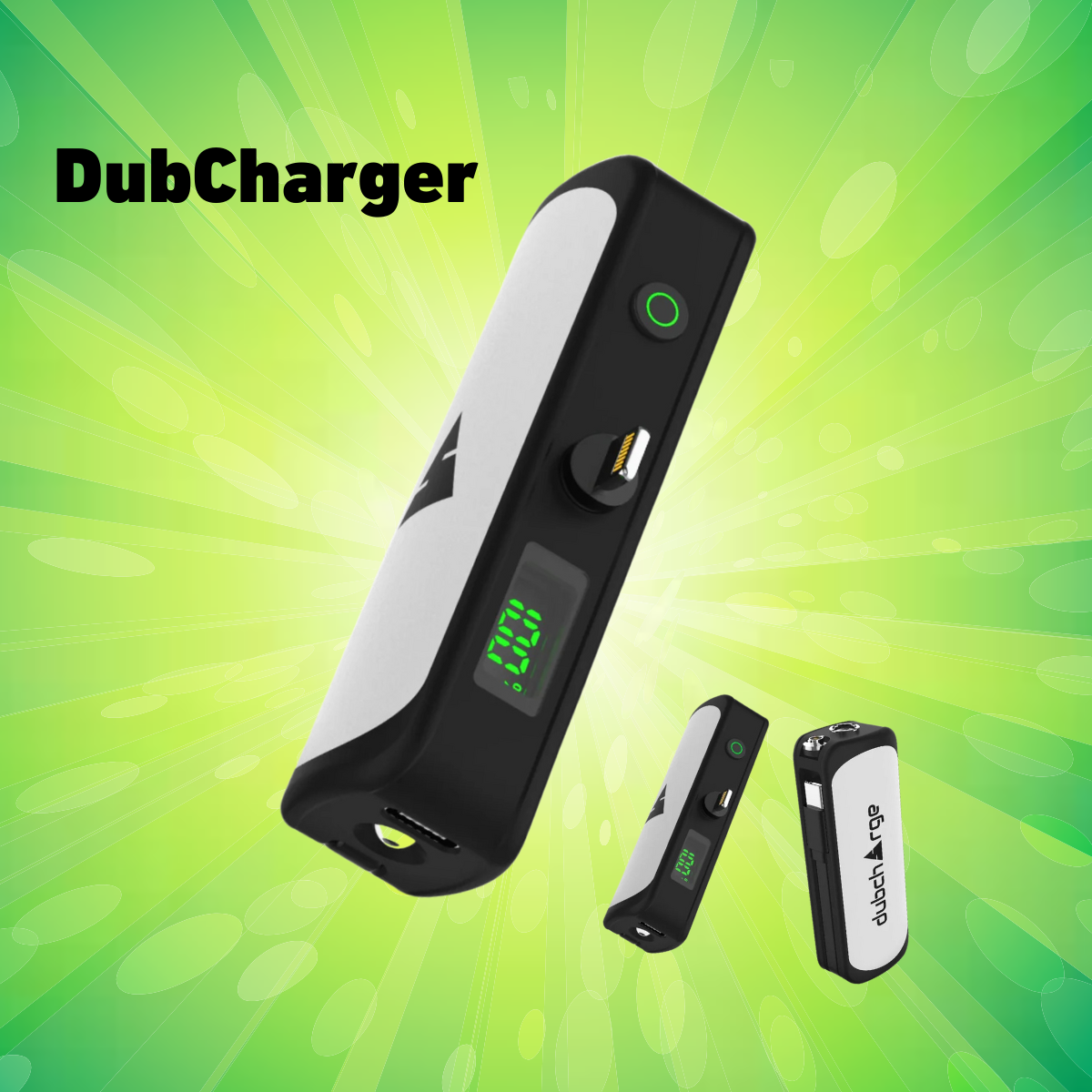
DubCharge Biiig Stiiizy Pen Battery
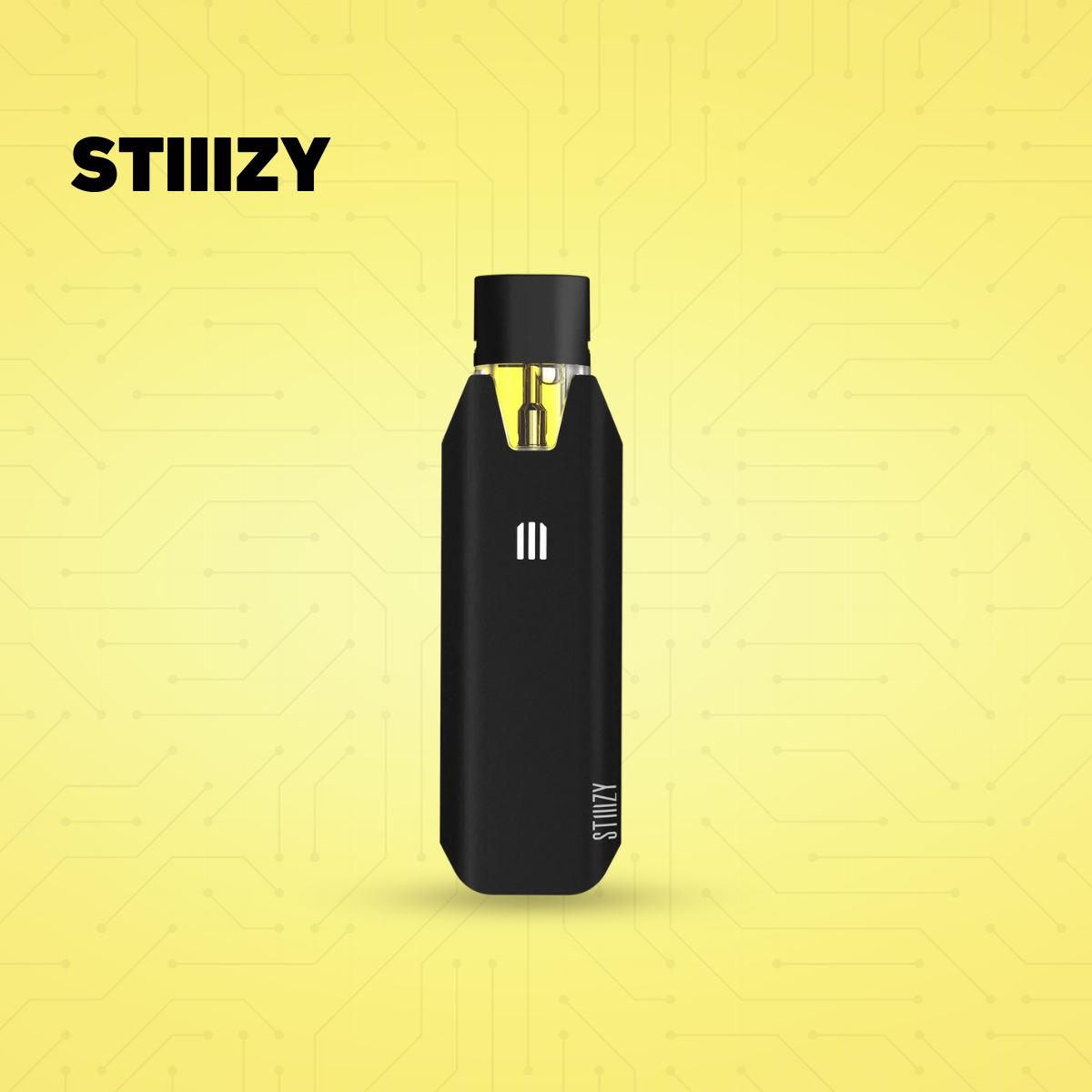
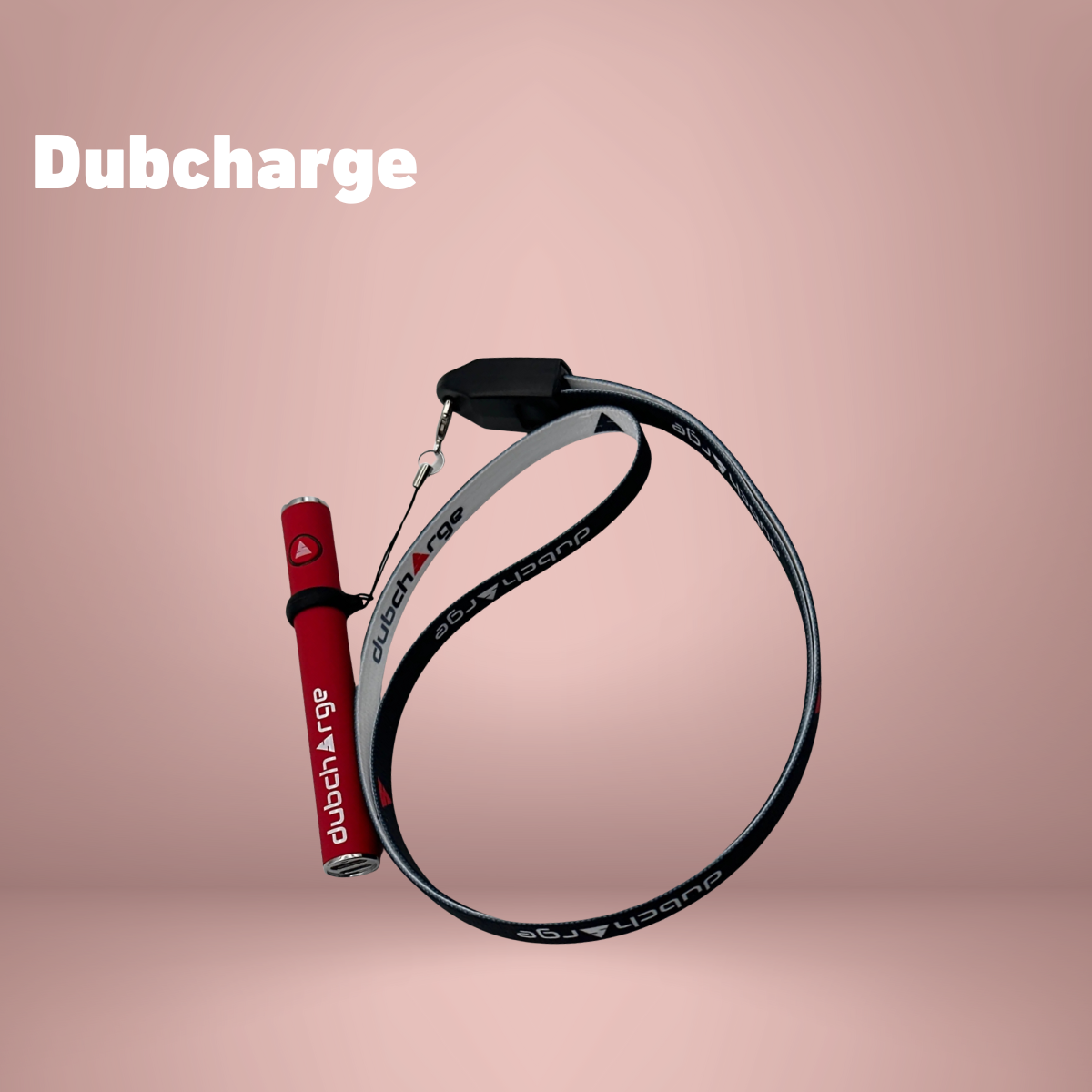
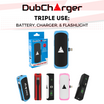
For a discreet daily carry, a pen-style 510 battery is still the simplest tool. The DubCharge Biiig Stiiizy Pen Battery is 510-threaded and built for long-lasting use, so you are not constantly hunting for a charger mid-day.
This is the pick for straightforward CBD or THCA carts when you want something slim, familiar, and easy to pocket. Keep your setup reliable by threading the cartridge on until it is snug, then stopping. Over-tightening is one of the fastest ways to damage threads and create connection issues.
Where DubCharge earns real credit is after the purchase. In our shop, you also get personalized support and unlimited returns, which matters when you are trying to match a battery to a specific cartridge and do not want to get stuck with a mismatch.
- Best-fit: everyday pocket carry, quick errands, low-profile use
- Why it works: standard 510-thread compatibility plus long battery life
- Why buy it from us: DubCharge support and unlimited returns if it is not the right fit
Yocan Uni Pro
The Yocan Uni Pro is the strongest value when you want control. Adjustable voltage lets you dial in flavor and smoothness across different oil viscosities instead of being locked into one heat level.
It also solves a real annoyance: carts are not all the same shape. The Uni Pro adjusts both cartridge height and width, so shorter or wider 510-threaded cartridges can sit securely and make consistent contact.
Feature density is why it keeps showing up in budget recommendations. You get a screen, fine voltage steps, and a preheat mode for thick distillate without paying premium-housing prices.
- Adjustable voltage: 2.0V to 4.2V in 0.1V increments
- Fit flexibility: adjustable height and diameter for cartridges from 7mm to 14mm
- High ROI features: OLED display, 10-second preheat, magnetic 510 adapter
CCELL Palm
The CCELL Palm is for no-button users who want vaping to feel automatic. It is draw-activated, so you just inhale and it fires, which is ideal if you do not want to think about clicks, modes, or screens.
Its minimal, pocketable design is the point. The cartridge drops into a recessed body and connects via a magnetic adapter, keeping the setup compact and more protected in a pocket or bag.
The tradeoff is less control. With a fixed 3.7V output, you are choosing simplicity over voltage tuning, so it is best when you already like how your carts perform at a consistent power level.
- Auto-draw operation for true “pick up and use” sessions
- Compact carry: recessed cartridge design keeps the profile small
- Good match for: beginners, button-averse users, and quick micro-sessions
Vessel Compass
The Vessel Compass is the under-$50 choice when you care about build quality and carry experience, not just function. It feels premium in hand and uses a protected drop-in design that conceals most of the cartridge.
You still get practical control, just simplified: preset power levels instead of fine-tuning by tenths of a volt. That makes it easy to stay in a lower range for flavor, then step up when you want denser vapor.
This one is for the person who carries a cart daily and wants the device to look and feel intentional, with USB-C charging and a clean, design-forward profile.
- Premium feel under $50: anodized aluminum body and protected cartridge housing
- Simple presets: 2.4V, 2.8V, 3.2V, 3.6V
- Carry-first details: USB-C charging and a concealed, pocket-friendly silhouette
Dial your CBD cart for smoother pulls at 2.5-3.0V
Your first session settings
For a smoother, more predictable CBD cartridge experience, start your variable-voltage 510 battery at 2.5 to 3.0V. That lower range typically keeps vapor lighter and reduces the odds of a hot, scratchy pull.
Keep your first session boring on purpose. We see most “this feels harsh” complaints come from long hits stacked back-to-back before the oil has time to re-saturate the wick.
- Set voltage to 2.5V, then step up slowly toward 3.0V only if vapor feels too thin
- Take short draws: 1 to 2 seconds, gentle inhale
- Pause between pulls so the cartridge can cool and the wick can re-soak
What higher voltage changes
Higher voltage pushes more heat into the cartridge, so you usually get thicker vapor, faster. The trade-off is that the same setting can shift from “dense” to “too hot” quickly, especially if you chain pulls.
As you climb above 3.0V, flavor is often the first thing to drop. Terpenes can taste muted or take on a bitter, “toasty” note when overheated.
Your throat feel changes too. More heat often means a sharper, drier hit, and once a cart tastes burnt, backing voltage down rarely fixes the flavor in that session.
- Thicker vapor: more heat vaporizes more oil per second
- Flavor loss risk: terpene notes flatten or taste scorched sooner
- Harsher throat feel: hotter vapor tends to feel sharper on inhale
Fix harsh hits, weak vapor, and leaks fast
Harshness and burnt taste
A harsh hit or burnt taste almost always means you are running the cart too hot or pulling too hard for the oil to keep up. Fix it by stepping voltage down, slowing your technique, and giving the cartridge time between pulls.
Heat is the main driver here. High voltage and rapid back to back hits overheat the oil and can scorch the wick, which turns flavor bitter and rough on your throat. This aligns with cannabis vape troubleshooting research that points to overheating from high voltage or chain vaping as the top cause of bad taste.
Use this quick reset:
- Lower voltage step-down: drop your setting by one click (or about 0.2 to 0.4V) and test again; for most variable-voltage 510 batteries, staying near 2.5 to 3.0V keeps flavor smoother
- Lighter draw technique: take a gentle, longer sip-style pull instead of a hard, fast inhale so airflow stays steady and the oil vaporizes evenly
- Avoid chain pulls: wait at least 30 to 60 seconds between hits so the wick can re-saturate and the cartridge can cool
Clogs, spitback, and leaks
Clogs, spitback, and leaks usually come from oil moving where it should not, either pooling in the airway or seeping at the 510 connection. Your fastest fix is better storage, a gentle warm-up, and clean, dry contact points.
Think of a pre-filled cartridge as sealed, but not immune to pressure and temperature swings. Leaving it on its side in a hot car, pocket, or bag encourages oil to creep into the center tube, which can lead to gurgles and droplets.
- Upright storage habit: store your cartridge standing up whenever you can, especially overnight and during travel
- Gentle warm-up preheat: use your battery’s preheat function (or a brief, low-voltage pulse) to loosen thick oil before you draw; keep it short to avoid overheating
- Clean threads with dry swab: remove the cart and wipe the battery and cartridge threads with a dry cotton swab so oil does not break the seal or block airflow
If you are shopping for an under-$50 510 battery, we recommend choosing one with variable voltage plus a preheat mode so you can clear minor clogs without jumping to high heat.
Build your setup with a verified cart and the right 510 battery
If you want smoother CBD pulls, the real win is consistency. That starts with a verified 510-threaded cartridge, a battery that can run low voltage, and a simple COA check so you know what is in your oil cartridge before you ever take the first draw.
We help you do all of that in one place. Stock up on a variable-voltage 510 battery like the Biiig Stiiizy Pen Battery or the PuffCo Proxy Vape Pen, then pair it with a 1g Budget THCA Vape Cartridge when you want a stronger experience. Start at 2.5 to 3.0V, take short pulls, and adjust up only if you need more vapor.
If you want a quick compatibility double-check before you order, our support team can walk you through it. 21+ only. Cannabis and nicotine products carry risk. Federally compliant hemp products contain less than 0.3% Delta-9 THC, and shipping depends on your state.
Frequently Asked Questions
Can you use CBD in a vape?
Yes, as long as you are using a 510-threaded CBD cartridge with a compatible 510 vape battery. For the best results, use a variable-voltage battery and start low around 2.5 to 3.0V.
Will a 510 cartridge fit on any 510 battery?
If both parts are truly 510-threaded, the threading is designed to match. Screw the cartridge on gently until it is snug, and never over-tighten to avoid damaging the threads.
Does CBD vape get you buzzed?
CBD itself is not known for the same psychoactive effects associated with Delta-9 THC, but your experience depends on what is actually in the cartridge. That is why we recommend checking the COA THC line items before you buy, especially with full spectrum products.
What's the difference between THCA and CBD cartridges?
CBD cartridges are built around cannabidiol, while THCA cartridges contain THCA which converts when heated and can feel much more like traditional THC. Both use the same 510-thread connection, but they are not interchangeable in terms of effects, so confirm what you are buying before you order.
How long does a 1g CBD cartridge last?
It depends on how often you use it and how long your draws are. Many people find a 1g cartridge can last about one to two weeks with regular daily use, while heavier use can finish it much faster.

Leave a comment
This site is protected by hCaptcha and the hCaptcha Privacy Policy and Terms of Service apply.