






THCA legality and safety for online buying by state
THCA may be legal to buy and use right now, but only if your state allows it and the specific product is compliant and properly lab-tested.
Here’s what matters most right now:
- State law can block THCA shipments even when federal hemp rules look favorable.
- Delta-9 THC under 0.3% does not automatically make THCA legal in your state.
- Only buy when the COA batch number matches the exact product listing.
- A useful COA includes potency plus pesticides, heavy metals, and microbials.
- THCA becomes Delta-9 THC when heated through decarboxylation, so effects change.
- Cheap, unverified hardware can raise safety risks through inconsistent materials and build quality.
- THCA use can still produce THC metabolites that may trigger a drug test positive.
At DubCharge, we built our process around the two things buyers worry about most: whether your state can receive THCA shipments, and whether the batch is real and fully tested. Because we carry THCA flower, THCA concentrates, and THCA disposables, we emphasize supply chain transparency and third-party testing, with COAs available on product pages so you can verify batch details and contaminant panels before you buy.
Start with the two answers you need before checkout: whether THCA is legal to buy online where you live, and whether the specific product in your cart is actually safe enough to consider using.
The two answers you need before checkout

Two checkpoints prevent most bad THCA purchases: whether you can legally receive it where you live, and whether the specific disposable is built and tested like an inhalable product should be.
Is THCA legal to buy online
Yes in some states, and no in others. Federal hemp compliance is not a universal permission slip, so your decision standard is: your state rules first, then the product’s compliance documentation.
Online listings typically rely on the federal hemp definition that allows hemp-derived products when Delta-9 THC is at or below 0.3% (by dry weight). A compliant lab report should show Delta-9 THC within that limit for the batch you are buying.
Even when a product appears federally compliant, shipping restrictions still apply. Retailers may block checkout, carriers may refuse certain routes, and state-level prohibitions can override what is acceptable under federal hemp rules.
Keep the original packaging and the included labeling after delivery. If you ever need to show what the product is and which batch it came from, the compliant label and batch identifiers are your practical proof.
- Conditional yes: legality depends on your state’s treatment of THCA products, not just federal hemp rules
- Federal baseline: 0.3% Delta-9 THC threshold is the common compliance line used for hemp-derived products
- Real-world friction: ship-to-state restrictions can stop a compliant product from being delivered
- Personal compliance habit: retain original, labeled packaging for batch and compliance verification
Are THCA disposables safe
Conditionally yes, but only when the exact batch is fully third-party tested and the device itself is made with reputable materials. A disposable is two risk surfaces at once: the oil and the hardware that heats it.
For the oil, look for a COA that goes beyond potency and includes contaminant screening. licensed lab testing standards are the difference between “claims” and documented results for pesticides, heavy metals, and microbials.
For the device, avoid bargain, unbranded pens with no manufacturing traceability. Low-quality metals, poor seals, and inconsistent heating can turn a decent extract into a harsh and unpredictable experience.
Skip mystery blends and obvious counterfeits. Choose sealed, reputable devices that arrive intact and match the batch information shown on the product listing and packaging.
- Require full testing: potency plus pesticides, heavy metals, and microbials for the specific batch
- Evaluate both parts: oil purity and the disposable’s materials, seals, and build consistency
- Avoid unknowns: unbranded hardware, “too-good-to-be-true” blends, and listings without batch traceability
- Prefer sealed devices from established manufacturers and retailers that publish matching batch documentation
Why federal hemp rules do not settle your state
Delta-9 compliance versus THCA
Federal hemp compliance is usually evaluated on Delta-9 THC, not on how intoxicating a product can become in real use. That is why a product can look “hemp-legal” on paper and still be restricted under your state’s rules.
The federal hemp definition is built around a Delta-9 THC concentration limit, measured by dry weight. THCA (tetrahydrocannabinolic acid) is a different cannabinoid from Delta-9 THC, so a product can show low Delta-9 on a lab report while still containing substantial THCA.
Many states do not stop at Delta-9. They use a “total THC” approach that effectively counts THCA toward the THC limit (often by applying a conversion factor), or they write statutes that treat THCA products similarly to THC products.
Labels and listings can be incomplete signals. A package might highlight “Delta-9 compliant” while leaving out how the state defines THC, which potency number controls, or whether the listed batch matches the actual Certificate of Analysis (COA).
- Delta-9 compliant: typically means the Delta-9 THC line item is under the federal threshold
- THCA: not Delta-9 THC on a COA, but it can still be regulated under state total-THC rules
- Total-THC states: may treat high-THCA products as over the limit even with low Delta-9
- Labeling limits: marketing language cannot substitute for state definitions and batch-specific COAs
Heat turns THCA into THC
Heating is the operational reality for inhalable products: THCA converts into Delta-9 THC through decarboxylation during inhalation. If you vape or smoke it, you should assume that conversion is part of what you are consuming.
That is why THCA flower, THCA concentrates, and THCA disposables can produce an intoxicating outcome after heating, even though unheated THCA itself is not Delta-9 THC.
This creates a common marketing trap: “non-intoxicating” claims rely on the raw chemistry, not the use case. For inhalation, the consumer experience is driven by the post-heat THC formation, not the pre-heat label language.
Policy follows impairment and enforcement realities. States concerned with impairment, roadside safety, and uniform enforcement often regulate based on total THC potential rather than Delta-9 alone, which is another reason federal hemp framing does not decide what is allowed where you live.
Step 1: Confirm your state can receive THCA shipments

Treat state law as the gatekeeper. Even when a product appears federally hemp compliant under the 0.3% Delta-9 THC framework, your state can still restrict or ban THCA products, and that state-level rule is what determines whether a shipment can legally be delivered to your address.
Do not stop at generic “hemp is legal” language. Look for THCA-specific restrictions in your state, including rules that regulate THCA by “total THC,” define it as an intoxicating cannabinoid once heated, or list THCA explicitly in prohibited hemp product categories. Also check whether your state applies different standards to flower, concentrates, and disposables, since product form can change how regulators interpret compliance.
Confirm the limits that matter in real life, not just “legal vs. illegal.” Many states place caps on how much you can possess or buy per transaction, which can affect how you order and how often you reorder. Pay attention to how limits are measured (by weight, product count, or cannabinoid content) and whether your household could unintentionally exceed them through multiple small purchases.
For a fast, practical shipping check, use our DubCharge ship-to-states page before you browse products or add anything to cart. If your state is not eligible, stop there and do not proceed to selection.
Step 2 and 3: Prove the batch is real and fully tested

For inhalable products, “lab-tested” only reduces risk when the Certificate of Analysis (COA) clearly matches the exact batch you are holding. Anything else is a marketing attachment, not verification.
Batch-match the COA first
Treat the COA like an ID check: it only matters if it matches the specific batch being sold. The most common failure point is a real-looking COA uploaded for a different run, a different SKU, or a different product type.
Start with traceability. A COA from a licensed lab testing standards workflow should show a batch or lot identifier you can match to the product page or packaging, plus the test date and the lab name so you know who generated the results.
This is also where many inhalable-risk mistakes happen: a COA for flower is not proof for a disposable, and a concentrate COA is not interchangeable with a different extract format. If the document does not align cleanly, the safer move is to treat the item as untested.
- Batch or lot number on the COA equals the batch/lot number shown on the listing or packaging
- COA includes a clear test date and the lab’s identity (not an unlabeled screenshot)
- Product type on the COA matches what you are buying (flower vs concentrates vs THCA disposables)
- Reject the COA if any of the above is missing or mismatched, even if the potency looks “close enough”
Minimum COA panels that matter
Once the batch matches, the next question is whether the COA covers the panels that reduce inhalable contamination risk. Potency alone is not a safety screen.
At minimum, you want cannabinoid potency with a specific Delta-9 THC line item, plus pass results for pesticides, heavy metals, and microbials. Those three contaminant panels are the core filters for the “contaminated product” worry.
Practically, this is why we surface COAs on product pages at DubCharge: it lets you confirm the batch and then immediately scan for these pass panels before you consider any THCA disposable.
- Potency panel that lists cannabinoids and includes Delta-9 THC as its own reported value
- Pesticides panel with clear pass results (not “N/A” across the board)
- Heavy metals panel with pass results (a key concern for inhalables)
- Microbials panel with pass results (mold, bacteria, or related microbial screens)
Step 4: Disposable-specific safety checks before you inhale
Red flags in THCA oil
For disposables, the biggest safety risk is not the format. It is inhaling an oil you cannot verify, or that is missing basic contaminant screening.
Screen the oil like you would a regulated inhalable: you want a clear ingredient story, a specific batch, and testing that covers more than potency. American Chemical Society findings show Canadian scientists analyzed 41 vape products for heavy metals, and several liquids tested positive, with unregulated producers more likely to show elevated levels.
- Unknown diluents and additives: any “proprietary thinning blend” or flavoring with no ingredient disclosure
- Missing contaminant panels: no pesticides, heavy metals, and microbials listed on the COA for that batch
- Unclear cannabinoid blend claims: labels that imply “pure THCA” while also listing multiple cannabinoids without amounts
- Unverifiable brand provenance: no batch number, no COA match to the listing, or no way to confirm who manufactured and filled the device
Hardware quality that reduces risk
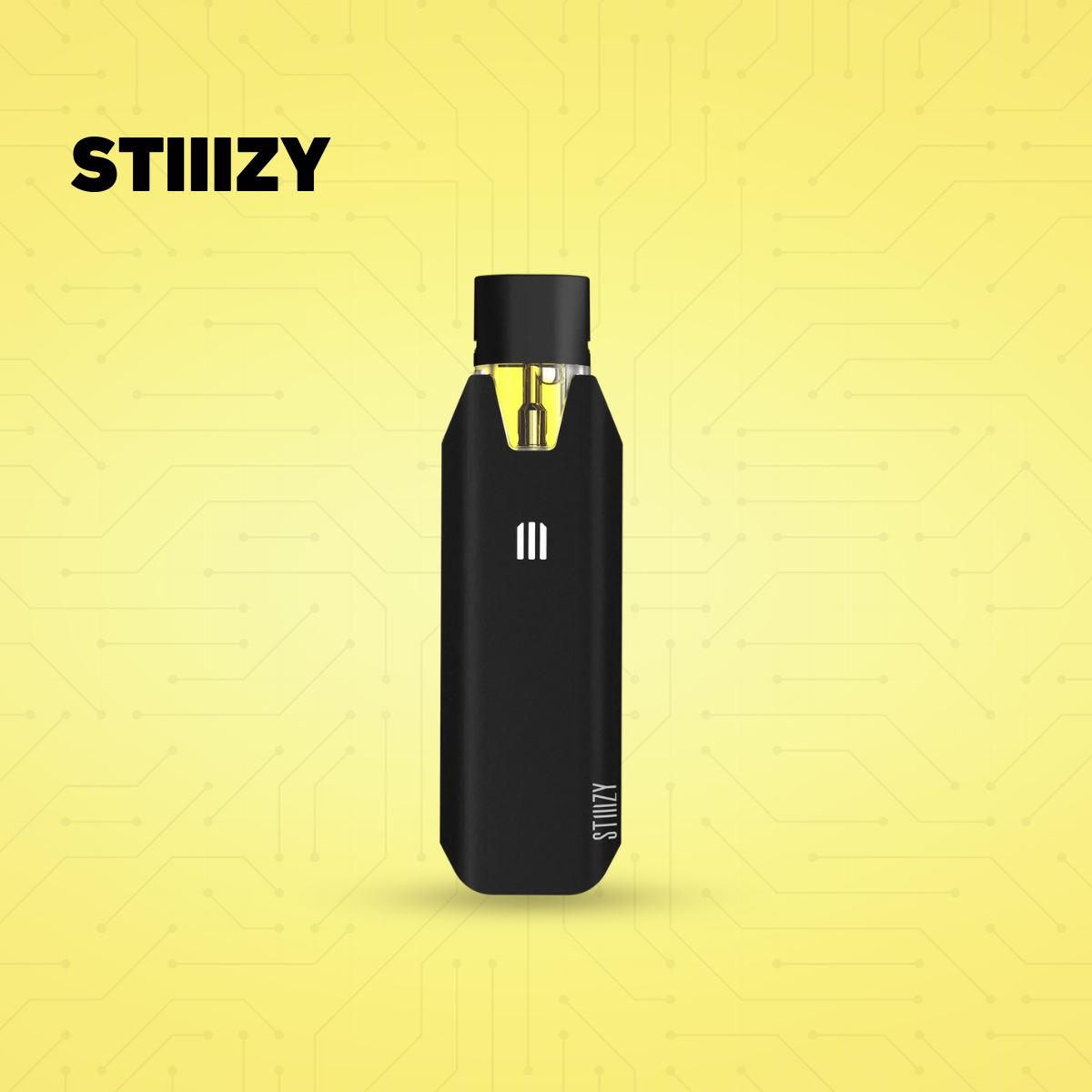
Disposable safety is also a hardware question: the same oil can behave very differently in a poorly built device. You are trying to reduce overheating, inconsistent airflow, and leakage that can degrade the experience and raise exposure risk.
Treat ultra-cheap, unbranded disposables as a red flag on its own. In our experience, the lowest-cost units are also the least consistent on sealing and quality control.
- Sealed device and intact packaging: no loose mouthpiece, no oil on the outside, no broken tamper seals, and child-resistant packaging that has not been re-closed
- Consistent heating and airflow: draw should feel steady and produce predictable vapor without “hot spikes” or harshness
- Avoid ultra-cheap unbranded devices: unknown coil materials and poor assembly raise the odds of off-taste and inconsistency
- Store cool to prevent leaks: keep it upright in a cool, dark place and out of hot cars or direct sun
Step 5: Drug test and policy reality check

THCA can still cost you a drug test. Once you heat THCA (smoking, vaping, dabbing), it decarboxylates into THC, and your body can produce the same THC metabolites most workplace screens look for.
Detection timelines are not consistent across people or products. They shift with dose, frequency, body composition, and whether use is occasional or daily. A single use may clear faster than repeated use, but you cannot count on a clean test just because the label says “hemp.”
Policy is often stricter than the shipping rules. Many employers keep zero-tolerance, drug-free workplace programs, and Drug Policy Alliance research notes that current testing cannot measure impairment, only past use. That means consequences can follow even when job performance was never affected.
Treat “hemp-derived” as a legal category, not a workplace safe-pass. If your job is safety-sensitive, DOT-regulated, or explicitly bans THC positives, plan as if heated THCA use can violate policy.
Picking a format once you pass the checklist

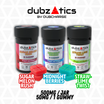
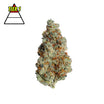
Once legality and the COA checks are green, format choice is mainly about transparency and how tightly you can control intake. THCA flower is usually the simplest option to audit because you can match a specific batch COA to a single strain and see a straightforward cannabinoid profile; a DubZotics pick is a practical starting point when you want that strain-by-strain clarity.
THCA concentrates are a higher-risk choice for mistakes, not because they are inherently “worse,” but because potency density punishes overuse quickly and the learning curve (tools, heat control, portion size) is real. This format fits experienced users who already know what a small, repeatable amount feels like and who stick to lab-verified batches.
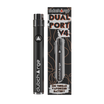
THCA disposables trade some inspection-friendly simplicity for portability and consistency in day-to-day use. Choose sealed, reputable devices tied to a batch COA, and keep pulls short to avoid accidental overconsumption. Common example picks in this lane include Backpack Boyz 1g for an easy, ready-to-use option, plus premium disposables from Cookies and PlugPlay when you want a more refined device and profile.
Do the two checks that actually protect you
Before you place an order, confirm you can legally receive THCA where you live. Start with our ship-to-states rules, because federal hemp compliance under the 0.3% Delta-9 THC threshold does not override state restrictions.
Next, open the Certificate of Analysis on the exact DubZotics strain page or THCA product page you are considering. Match the batch information to the listing, then verify the COA includes potency plus contaminant screening for pesticides, heavy metals, and microbials. If any of those panels are missing, treat it as a stop sign.
If you want an inhalable option after you pass the checklist, stick to lab-tested THCA Disposables such as Backpack Boyz 1g, or choose a premium disposable from Cookies or PlugPlay, then keep the device sealed and stored in its original child-resistant packaging.
Frequently Asked Questions
Does THCA fail a drug test?
Yes, it can. Once THCA is heated it converts through decarboxylation and use can produce THC metabolites that many drug tests flag, so you should assume a positive is possible even when a product is hemp compliant.
Why shouldn't you smoke THCA?
Inhalation carries added risk because heat activates THCA and you are relying on both oil purity and hardware quality. If you use inhalable products, prioritize third-party COAs with pesticide, heavy metal, and microbial panels and avoid mystery oils or low-quality devices.
What should I look for in a THCA product's lab test?
You should see a batch-matched COA that lists cannabinoid potency and includes contaminant screening for pesticides, heavy metals, and microbials. You should also confirm the reported Delta-9 THC level aligns with hemp compliance claims.
Why are cheap vaporizers risky for THCA products?
Low-quality devices can have inconsistent manufacturing and materials, increasing the risk of unwanted metals or contaminants reaching the vapor path. If you choose a THCA Disposable, a reputable, sealed device paired with complete lab testing is the safer baseline.




Leave a comment
This site is protected by hCaptcha and the hCaptcha Privacy Policy and Terms of Service apply.