








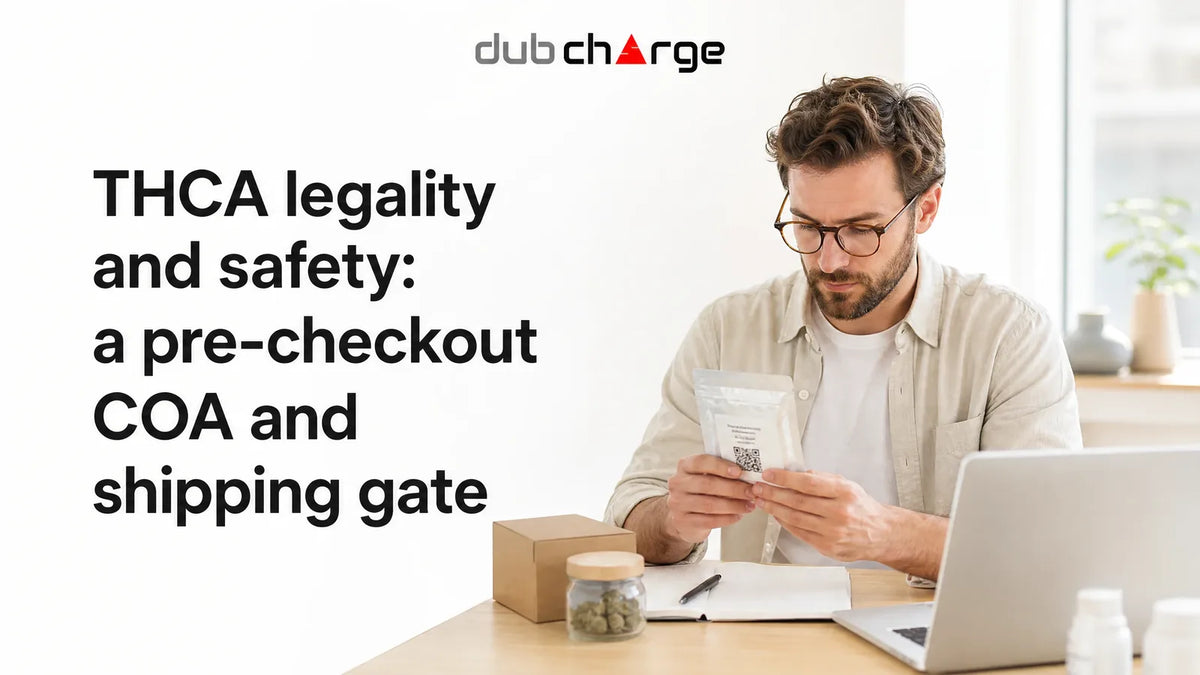
THCA legality and safety: a pre-checkout COA and shipping gate
THCA may be legal and safe to use right now, but only conditionally. Legality depends on your state’s rules and whether the product qualifies as hemp under the federal 0.3% Delta-9 THC limit, and safety depends on third-party testing and basic hardware quality, especially with THCA disposables.
Here’s what matters most right now:
- Federal hemp compliance does not override state THCA restrictions or shipping rules.
- Treat THCA as intoxicating when heated because decarboxylation converts it into Delta-9 THC.
- Verify ship-to-state eligibility before you pay, not after your order gets flagged.
- Open the COA and confirm the batch number matches the exact product listing.
- A real COA should include potency plus pesticides, heavy metals, and microbials.
- THCA disposables are safer bets when they are sealed, reputable, and lab-tested.
- Plan for drug testing honestly because THCA use can trigger THC-positive results.
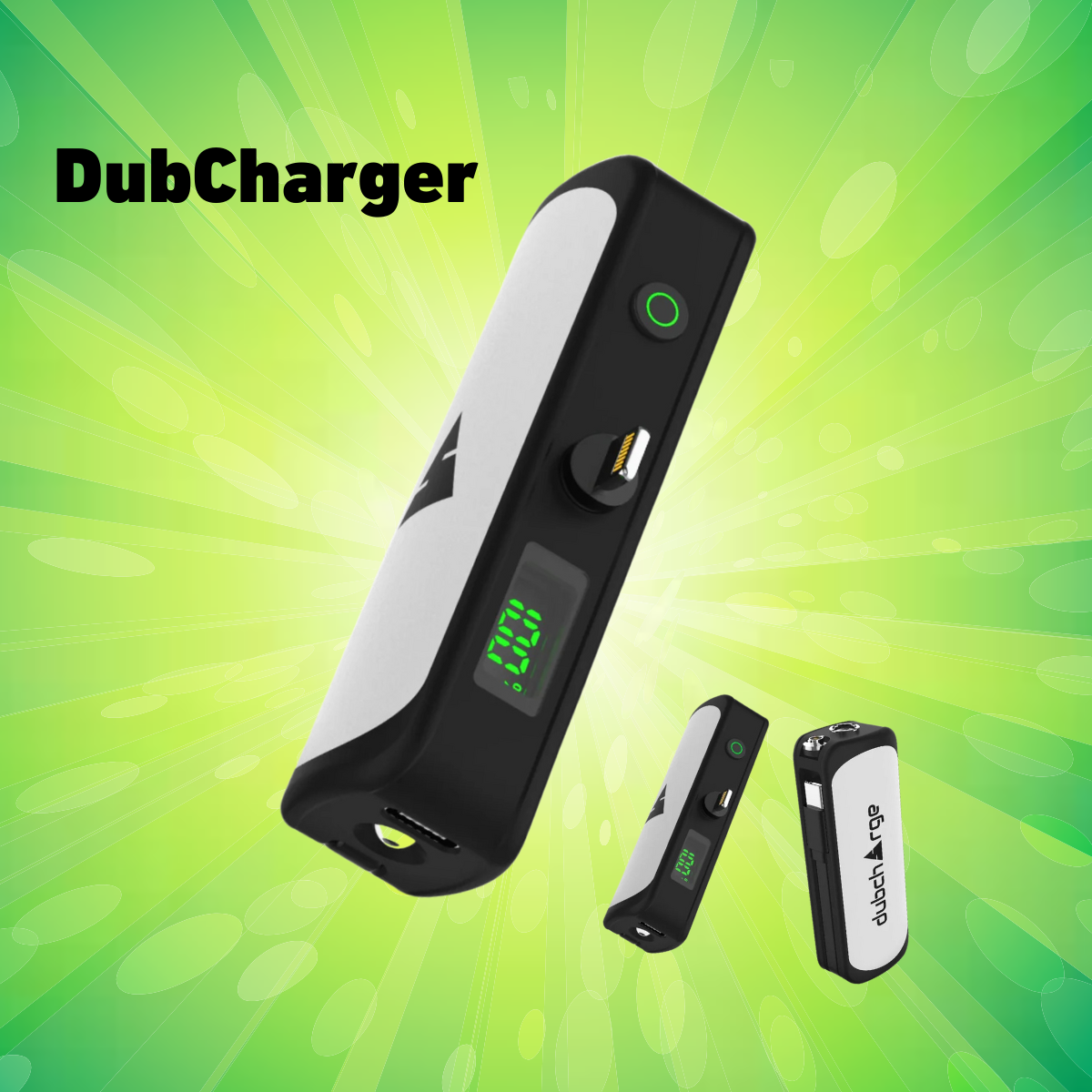
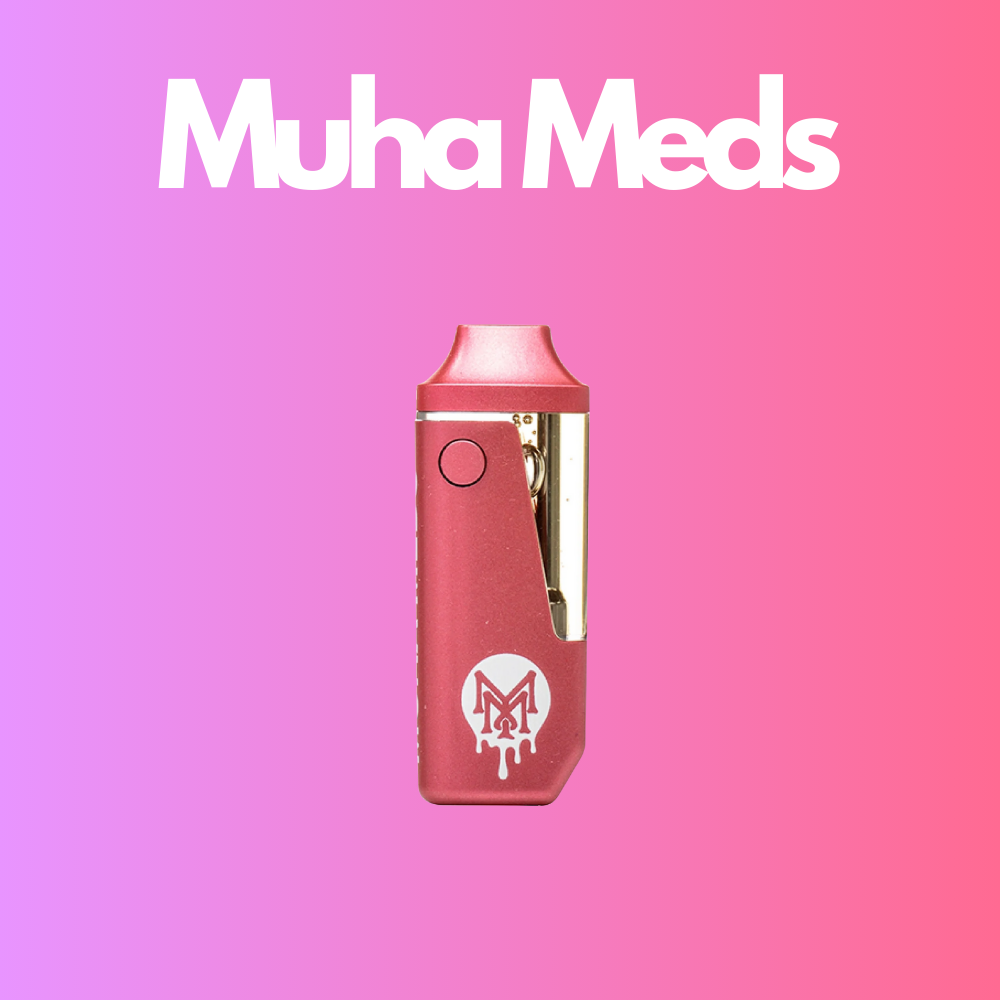
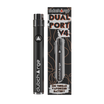
At DubCharge, we built this pre-checkout “COA and shipping gate” mindset for how people actually buy THCA online across 10,000+ SKUs. That is why we surface COAs on product pages for THCA flower, THCA concentrates, and THCA disposables, including options like Backpack Boyz 1g and premium THCA disposables from Cookies and PlugPlay.
Start with the two questions that decide everything, because if you cannot ship it to your state or you cannot verify the batch, nothing else matters.
Answer the two questions that decide everything
Is online THCA legal right now
Yes in practice, but only conditionally. Whether you can legally buy THCA online depends on the rules in your state, even if the product is presented as federally hemp-compliant under the 0.3% Delta-9 THC threshold.
State law is the deciding layer because states can restrict or prohibit specific hemp-derived products, set their own definitions, or enforce limits differently than the federal framework. That is why “federally legal” language is not a guarantee that possession, sale, or delivery is allowed where you live.
Treat shipping eligibility as a legal gate, not a convenience feature. A reputable seller will screen ship-to states and block restricted destinations before you can place an order, because the practical risk is not just the product’s lab numbers, but whether your jurisdiction allows that product category to be delivered to your address.
- Conditional yes by state: allowed in some states, restricted or prohibited in others
- State rules override the federal hemp baseline in day-to-day enforcement
- Confirm ship-to eligibility before checkout, not after payment or fulfillment
Are THCA disposables safe to use
They can be, but only when the specific batch has credible third-party testing and the device hardware is not cutting corners. For inhalables, “safe enough to consider” starts with a full-panel Certificate of Analysis (COA), not a strain name or a potency claim.
A full-panel COA should go beyond potency and include contaminant screening for pesticides, heavy metals, and microbials, with batch information that matches what you are buying. Batch-level traceability matters because safety is not a brand-level promise; it is a production-lot reality.
Disposable hardware quality is the other half of the safety equation. Cheap devices can introduce risk through substandard heating elements and internal metals; the NIH scoping review documents that structural elements of cannabis vapes can leach metals such as nickel, chromium, lead, cobalt, cadmium, and copper into aerosol.
Also avoid “mystery oil” products where the ingredient list is vague or the blend is doing too much. If a disposable is marketed around a cocktail of cannabinoids or additives but cannot show clear sourcing and testing for that exact formulation, you are accepting unknowns you cannot verify after the fact.
- Conditional yes with a full-panel COA: potency plus pesticides, heavy metals, and microbials, tied to the batch
- Real risk from cheap hardware: low-quality components can contribute metal exposure during heating
- Avoid mystery oils and blends: unclear ingredients or unverifiable formulations are a preventable risk
Use the correct legal lens before you buy

THCA legality is not a single yes or no. You need three layers: federal hemp compliance (a specific Delta-9 THC threshold), your state’s own restrictions (which can be stricter), and the reality that heating changes what you are practically possessing and consuming.
Federal hemp compliance in one test
Federally, hemp compliance is generally evaluated on one number: Delta-9 THC must be at or below 0.3% on a dry-weight basis. A THCA product can meet that Delta-9 threshold even if it contains a lot of THCA, because THCA is not the same measurement as Delta-9 on the lab line item.
Product type matters because the threshold is weight-based. A 0.3% limit applied to flower by dry weight plays out differently than a concentrate or a disposable where the total mass and formulation change what that percentage means in practice.
A Certificate of Analysis (COA) is the document that shows the Delta-9 THC result for that batch. If the COA does not clearly list Delta-9 THC (not just “total cannabinoids” or “THCA”), you do not have evidence of federal hemp compliance for that item.
- Look for a COA that lists Delta-9 THC as its own result and shows it at or below 0.3% by weight.
- Treat “hemp-derived” as a marketing label until you have a batch COA tied to the specific product you are buying.
State law controls shipping outcomes
State law is what decides whether a package successfully ships to your address without creating legal exposure. Even when a product can be positioned as federally hemp compliant, states can ban or restrict THCA outright, limit which product forms can be sold, or define legality using different THC calculations than a simple Delta-9 line item.
Restrictions also show up as possession limits, often based on quantity. That matters because a legally purchased item can still put you over a limit if you stock up, combine multiple products, or carry it across jurisdictions with different thresholds.
Shipping is also constrained by carrier and retailer policy. Carriers may refuse certain hemp product categories, and reputable retailers may block checkout to restricted states even when the buyer is willing to assume the risk.
- A “legal federally” claim does not override a state ban where you live or where the package transits.
- Possession limits are commonly quantity-based, so total grams and number of units can matter as much as potency.
- Carrier rules and retailer ship-to-state policies can be stricter than the law and still determine whether your order is fulfilled.
Heat converts THCA into Delta-9 THC
The practical risk profile changes the moment you heat THCA. Inhalation methods (smoking or vaping) decarboxylate THCA, converting it into Delta-9 THC, which is the intoxicating compound most laws and workplace policies focus on.
This is not a subtle conversion. USPTO patent documentation describes that, under appropriate conditions, conversion of THCA to THC should be about 95% and can be assumed to approximate 100%, which is why “non-intoxicating THCA” claims do not match real use when you inhale it.
Set expectations accordingly: if you are using THCA flower, THCA concentrates, or THCA disposables as intended (heated), you should expect intoxicating effects consistent with Delta-9 THC exposure. Marketing that implies you can vape it and stay functionally “THC-free” is not a serious risk model.
- Raw THCA is not intoxicating in the same way, but heating during inhalation changes the active compound.
- If a product is marketed as “won’t get you high” while also being sold for smoking or vaping, treat that as a credibility red flag.
Run a legality and COA gate in five minutes

A safe order starts with a strict gate: confirm you can legally ship to your address, then confirm the batch-level lab report is traceable and complete. Do those checks before you compare strains, formats, or potency claims.
Confirm ship-to-state rules first
Shipping eligibility is the first hard stop, because a compliant hemp definition does not guarantee your state allows purchase or delivery. Treat state law and carrier policies as the controlling layer for whether an online order is actually shippable to you.
Use DubCharge ship-to-states rules as the initial filter before you add anything to cart. Pay close attention to state restrictions and exceptions: some jurisdictions limit certain product types, impose special labeling or age-verification requirements, or change enforcement posture without much notice.
- Verify your exact ship-to location, not just the state name (some rules differ by locality or delivery constraints).
- Look for listed exceptions by category (for example, allowed items vs restricted items) and do not assume a restriction on one format means all formats are treated the same.
- Do not assume federal preemption: even if a product is marketed as federally hemp-compliant, a state can still prohibit possession or shipment.
Match COA batch to product page
A COA only protects you if it is tied to the exact batch you are buying. A generic lab report, or a report that does not map cleanly to the listing, is not meaningful quality control.
On the product page, locate the batch or lot identifier and confirm the COA shows the same batch number with an exact match. Any mismatch, partial match, or “similar batch” language is a reason to walk away.
COA date matters because it signals how recent the test is relative to the batch in circulation. A more recent COA is generally more relevant than an older report, particularly when you are trying to avoid buying from unverified or stale inventory.
- Accept: batch number on the product page and COA are identical.
- Question: COA is present but the batch number is missing on either the COA or the listing.
- Reject: the listing has no batch identifier, or the COA cannot be tied to a specific batch.
Require full-panel contaminant testing
For inhalable products, potency alone is not a safety standard. Your minimum bar is a full-panel COA that includes contaminant screening, because that is where non-obvious risks show up.
Do not accept a report that only lists cannabinoid content. Require clear pass results, or clearly reported findings, for the three core contaminant categories below.
- Pesticides panel present
- Heavy metals panel present
- Microbials panel present
When any one of these panels is missing, you are being asked to trust what was not tested, and that defeats the entire purpose of checking a COA.
Avoid the most common disposable vape safety failures

With THCA Disposables, the lab report is necessary, but it is not the whole safety picture. Device build quality and oil transparency decide what you actually inhale, so it is worth applying a quick hardware-and-oil screen even on familiar names like Backpack Boyz 1g and premium options like Cookies and PlugPlay.
Disposable red flags that matter
The highest-risk disposable is the one where you cannot identify what the oil is or where it came from. That is not a preference issue; it is a traceability issue that makes it hard to manage inhalation risk if something feels off.
Be especially cautious with unlabeled oil or vague language about “blends” that never names additives. A NIH scoping review found that structural elements of cannabis vapes can leach metals including nickel, chromium, lead, cobalt, cadmium, and copper into aerosol, and that factors like device integrity, operating temperature, and viscosity cutting agents can influence metal dissolution.
Inconsistency is also information. When two pens that claim the same oil have noticeably different thickness, harshness, or flavor, it suggests uncontrolled formulation or variable heating behavior, and either can raise avoidable exposure risk.
Finally, disposables should not be anonymous. If there is no manufacturer identification or batch reference anywhere on the device or packaging, you have no practical path to verify what you bought or to match it back to documentation.
- Unlabeled oil or unnamed additives, especially when the ingredient story changes between listings and packaging
- Viscosity and flavor that swing sharply between units that are supposed to be identical
- No manufacturer details and no batch traceability on the packaging or device
Prefer sealed reputable devices
The safer disposable buying pattern is simple: prefer sealed, tamper-evident packaging from a brand that can be held accountable. In practice, that means you can inspect the device before you ever take a first pull, and you can verify it matches what was listed.
Focus on categories and brands that behave like regulated hardware even when the market is not. On our THCA Disposables pages, that typically means products presented with clear labeling and batch-linked documentation, including options like Backpack Boyz 1g and premium lines such as Cookies and PlugPlay.
Hardware consistency matters because it controls temperature and aerosol production. A disposable that alternates between tight and airy draw, or runs unusually hot, is not just annoying; it can change what you are inhaling from one session to the next.
- Tamper-evident packaging that arrives intact, with legible labeling you can inspect before use
- Reputable disposable categories where the brand identity and product labeling are consistent across units
- A consistent draw and stable heat output, without sudden harshness spikes or “burnt” flavor shifts
Plan for the drug test outcome before using THCA

A legal THCA purchase does not protect you from a THC-positive drug test. Once THCA is heated, it can convert to active THC, and your body can metabolize that into the urine marker most workplace tests look for. The NIH workplace testing study notes urine testing commonly targets THC-COOH, with typical cutoffs of 50 ng/mL for an initial screen and 15 ng/mL on confirmation.
Inhalation is the highest-risk path because vaping, smoking, and dabbing apply heat directly at the point of use, increasing the likelihood of conversion and detectable metabolites.
If your job tests, treat THCA like THC for planning:
- Assume you can test positive
- Avoid use entirely if your role is safety-sensitive or zero-tolerance
- Do not rely on timing, “hemp” labeling, or COAs to guarantee a negative result
Before you buy, decide whether a positive is acceptable under your employer policy.
Close the loop before checkout: shipping rules, then the COA
Treat THCA like a regulated product, even when it appears federally hemp compliant. Your first step is simple: confirm our ship-to-states rules for your exact location before you place an order, because state law is what determines whether you can legally receive THCA.
Next, open the COA on your DubZotics strain page or the THCA product page and verify two things: the batch identifier matches the listing, and the report includes potency plus full-panel contaminant screening for pesticides, heavy metals, and microbials.
If you want an inhalable option after that gate, choose a lab-tested THCA Disposable such as Backpack Boyz 1g, or step up to a premium disposable from Cookies or PlugPlay. You are not looking for hype. You are looking for a documented batch and clean panels.
Frequently Asked Questions
Does THCA fail a drug test?
It can. Once THCA is heated, it converts to Delta-9 THC, and THC metabolites are what most standard drug tests detect, so use can still trigger a positive result.
Is THCA illegal in Texas?
It depends on current Texas rules and how the product is treated under state enforcement, which can differ from the federal 0.3% Delta-9 THC hemp standard. The practical move is to confirm your ship-to-state eligibility and keep your COA and packaging aligned to the batch you purchased.
What states have made THCA illegal?
State restrictions change and can be written or enforced differently than federal hemp rules, so there is no single shortcut list that stays accurate. The safest approach is to verify your state’s current status and then only buy products with batch-matched COAs that include contaminant panels.
What should I look for in a THCA product's lab test?
Match the COA batch information to the product listing first, then confirm potency and that the report includes pesticides, heavy metals, and microbials. Also confirm the Delta-9 THC result aligns with hemp compliance claims on the listing.
Why are cheap vaporizers risky for THCA products?
Lower-quality devices can have inconsistent heating and materials that may increase exposure to unwanted metals or additives, especially when manufacturing controls are weak. For disposables, prioritize reputable, sealed devices backed by batch-specific COAs and full contaminant screening.


Leave a comment
This site is protected by hCaptcha and the hCaptcha Privacy Policy and Terms of Service apply.