






How To Verify THCA Legality and Safety Before You Order Online in 2026
THCA may be legal federally in some situations and may be relatively safer to use in some products, but it is not automatically legal in your state and it is not automatically safe to inhale.
Here’s what matters most right now:
- State law can override federal hemp compliance, so shipping rules come first.
- Federal hemp compliance typically hinges on Delta-9 THC staying under 0.3%.
- THCA can convert to Delta-9 THC through decarboxylation when heated and inhaled.
- A real COA matches your exact batch number, not just the product name.
- A useful COA includes potency plus pesticides, heavy metals, and microbials panels.
- THCA use can still trigger THC-positive drug test results for many testing methods.
- Store THCA products air-tight, cool, and dark, and keep original labeled packaging.
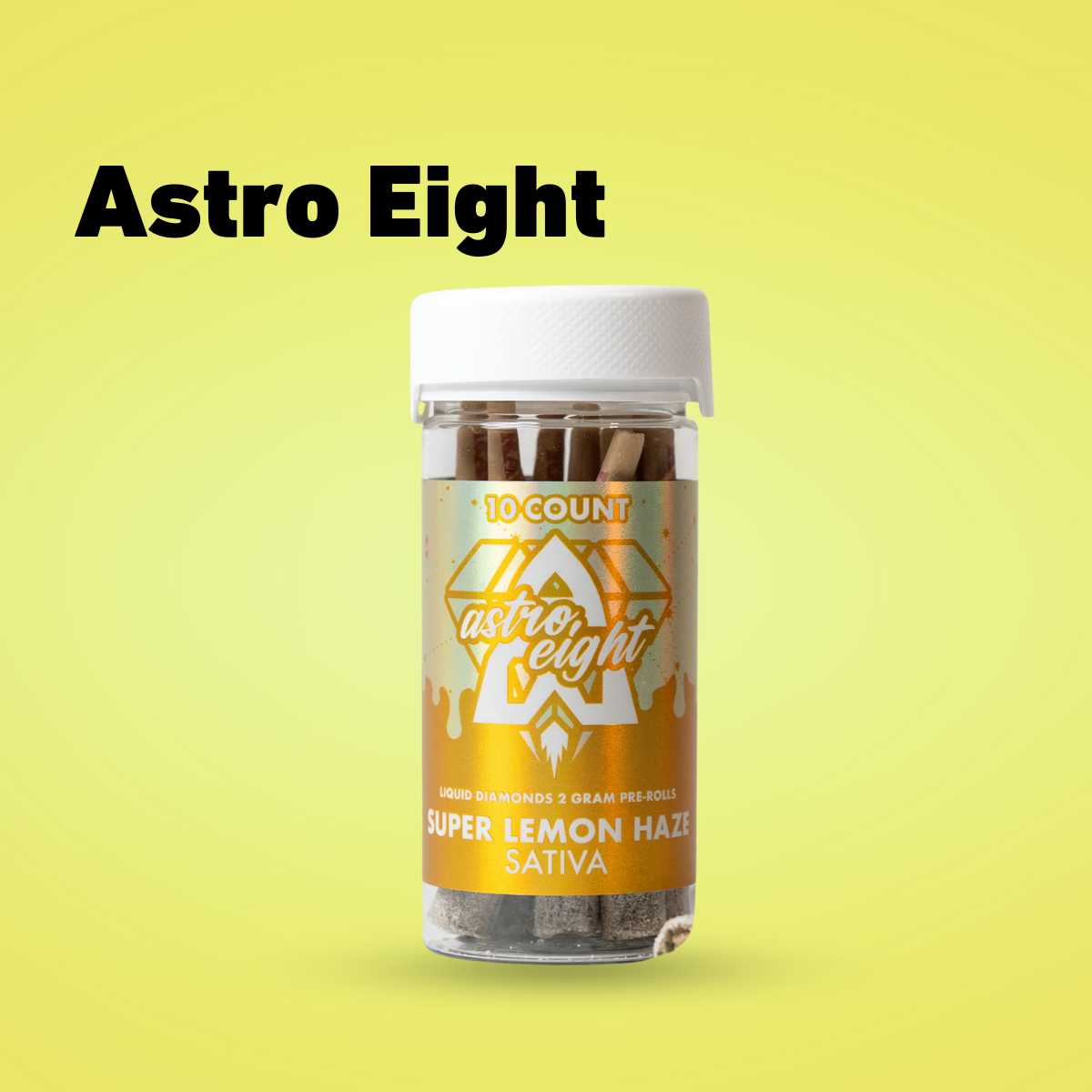
At DubCharge, we treat THCA flower, THCA concentrates, and THCA disposables like you should treat any regulated product: legality-first, COA-first. Because we carry a wide catalog (10,000+ SKUs), we see the same two failure points repeat, buyers skipping ship-to-state rules and buyers trusting a COA that does not match the listed batch. That is why we focus on supply chain transparency and third-party testing, including COAs on product pages so you can verify potency and contaminant screening before checkout.
Next, start with two fast answers that usually decide everything: whether THCA can legally ship to your address, and what makes a THCA disposable meaningfully safer versus a hardware and oil gamble.
Two fast answers: can THCA ship legally to you and is a THCA disposable safe?
You can sometimes buy THCA online legally, and a THCA disposable can sometimes be a reasonable risk, but neither is automatic. The two decision gates are your state’s rules and the proof attached to the specific batch you are about to use.
Online THCA legality in practice
THCA can be federally hemp compliant in some cases, but state law is what decides whether you can legally buy, ship, and possess it where you live. Treat “federally legal” as a starting point, not a green light.
In practice, the final gate is the seller’s shipping policy. Even when a product looks compliant on paper, reputable retailers will block checkout or refuse shipment to states where THCA is prohibited or restricted, because that is where enforcement risk concentrates.
Possession limits also change the risk profile. One state may cap hemp-derived products by total weight, another by package count, and another may treat certain high-THCA forms as prohibited even if low Delta-9 THC is shown on a COA.
- Confirm your current state rule set (permitted, restricted, or prohibited) before you order.
- Check whether the retailer will actually ship to your ZIP code; that policy is the practical yes or no.
- Know your state’s possession and purchase quantity limits, not just “legal vs illegal.”
Disposable safety depends on proof
A THCA disposable is only as safe as the evidence behind the specific batch inside it and the device hardware that heats it. Without that proof, you are relying on branding and packaging, not safety controls.
Start with COA-backed batches only, and treat “lab-tested” as meaningless unless you can see and match the document to the item you are buying. Batch traceability is what prevents you from receiving a different oil than the one that was tested.
- COA-backed batches only: the batch or lot identifier on the COA should match the product you receive.
- Contaminant panels required: the COA should include pesticides, heavy metals, and microbial screening, not just potency.
- Hardware quality affects exposure: low-quality coils and metal parts can increase metal exposure, especially when devices run hot or inconsistently.
Why THCA can be hemp compliant but still risky: 0.3% Delta-9, state bans, and heat activation

THCA sits in a narrow gap between federal hemp definitions, fast-changing state rules, and straightforward chemistry. That combination is why “federally legal hemp” can still translate into shipment blocks, local enforcement risk, and intoxicating use once you heat it.
The 0.3% Delta-9 rule
THCA can look “hemp compliant” because federal hemp status is framed around Delta-9 THC staying at or below 0.3% on a dry-weight basis, not around how much THCA is present. That is the core loophole: a product can be THCA-rich but still report low Delta-9 before it is heated.
This is where label math matters. A label or listing may spotlight “0.3% Delta-9” while the total cannabinoid profile is dominated by THCA, which is not the same thing as “low THC experience” once the product is used as intended. The FDA congressional testimony summarizes the federal definition and the Delta-9 threshold clearly, but it does not guarantee that every retail label communicates risk well.
Paperwork can mislead even when a COA exists. A COA is only as useful as the batch match and the full cannabinoid table, and it can be easy to miss the difference between a Delta-9 compliance statement and the actual total cannabinoids you are buying.
- Compliance framing you will see: Delta-9 THC percentage (pre-heat) as the headline number
- What can be under-emphasized: high THCA percentage that dominates the cannabinoid profile
- Common buyer mistake: treating “hemp compliant” as a proxy for “non-intoxicating” or “low potency”
State enforcement beats federal logic
Even if a product is arguable hemp under the federal Delta-9 definition, your state can still prohibit or restrict THCA specifically. In practice, shipping policies and local enforcement tend to track state rules, not federal logic.
States take multiple approaches, and you will see different risk profiles depending on where you live and what form you buy.
- Explicit THCA prohibitions: some states name THCA and treat it as functionally equivalent to intoxicating THC products
- Restricted product categories: a state may allow certain hemp products while restricting inhalables like THCA disposables or THCA flower
- Possession and purchase caps: limits can apply by weight or quantity, and they can differ from what an online retailer will ship
Heat turns THCA into Delta-9
The critical product science point is simple: when you heat THCA, it decarboxylates and becomes Delta-9 THC. Smoking, vaping, and dabbing are all heat-driven use cases, so conversion is not a rare edge case; it is the expected outcome.
That means your intoxication expectations should be set by the product’s THCA potency and the efficiency of the device delivering heat, not by pre-heat Delta-9 compliance language. For inhalables, safety also hinges on what the COA covers and what the hardware is made of, because temperature and materials determine what you inhale.
“Non-intoxicating THCA” marketing is the common trap. Raw THCA is non-intoxicating on paper, but an inhalable product is designed to heat it, so the consumer experience is not meaningfully non-intoxicating.
- Vaping or smoking THCA flower: combustion or vaporization heat drives conversion during the session
- Using THCA concentrates: high heat exposure typically converts a larger share quickly
- Using a disposable: the built-in heating element is explicitly built to activate cannabinoids during inhalation
Run this legality-first, COA-first checklist before checkout

A THCA listing only earns a “buy” when it passes two gates in order: your state can legally receive it, and the exact batch has a complete COA that supports the claims. Anything else is a “do not checkout,” even if the branding looks legitimate.
Confirm ship-to-state rules first
Your first pass-fail step is shipping eligibility to your destination state, not what the product page implies about “federal hemp.” If a retailer will not ship that category to your state, assume there is a legal or carrier restriction and stop there.
Do not treat “THCA products” as one uniform bucket. State rules and carrier policies can differ by category, so you check eligibility for the specific item type you are buying: THCA flower, THCA concentrates, or THCA disposables.
After delivery, keep the labeled, child-resistant packaging. If you ever need to show what the product is and where it came from, the original label and batch identifiers are more defensible than a loose jar or an unmarked disposable.
- Confirm your destination state is listed as eligible to receive shipments before you add anything to cart.
- Verify eligibility at the product-category level (flower vs concentrates vs disposables), not just at the site-wide banner level.
- Store and transport only in the original labeled packaging so batch and compliance information stays attached to the product.
Match the COA to the listing
A COA only helps if it is for the exact batch you are buying. “Lab-tested” without a batch match is marketing, not verification.
Open the COA and confirm the batch or lot number matches what is printed on the product listing or package. If you cannot find a batch identifier in both places, treat it as a fail because you cannot prove the report applies to your unit.
Potency should align with the product’s claim in plain terms. If the listing claims a specific THCA percentage (or makes a strength claim) and the COA shows something materially different, the listing is overstating what you will receive.
You also need a Delta-9 THC line item that stays within the 0.3% dry-weight standard used for federal hemp compliance. That “Delta-9” row is the quick check that the seller is at least measuring the right thing for compliance discussions; it is not a substitute for your state’s rules.
- Batch/lot number: must match between the listing (or packaging) and the COA.
- Potency: COA cannabinoid numbers should support the listing’s THCA claim, not contradict it.
- Delta-9 THC: look for a clear Delta-9 result reported and shown as compliant with the 0.3% limit.
Require full contaminant panels
Treat inhalable THCA products like a regulated product anyway: potency alone is not a safety screen. You want a COA that includes contaminants, with clear pass results, because contamination risk is not visible from color, texture, or branding.
At minimum, require three panels with pass outcomes: pesticides, heavy metals, and microbials. A COA that omits one of these is incomplete for a safety decision, even if everything else looks professional.
- Pesticides: the report includes a pesticides panel with pass results, not “not tested.”
- Heavy metals: the report includes metals screening with pass results.
- Microbials: the report includes microbial screening with pass results.
Disposable-specific safety checks: reduce oil and hardware red flags
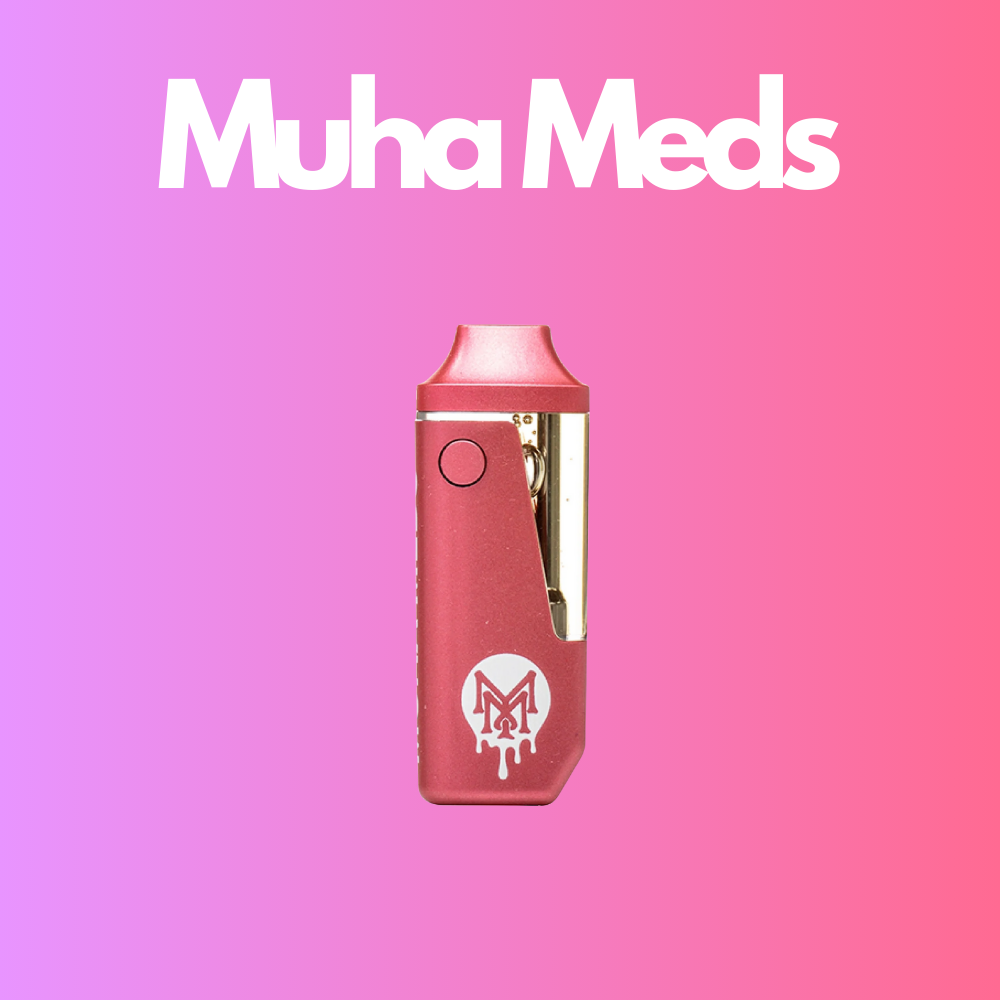
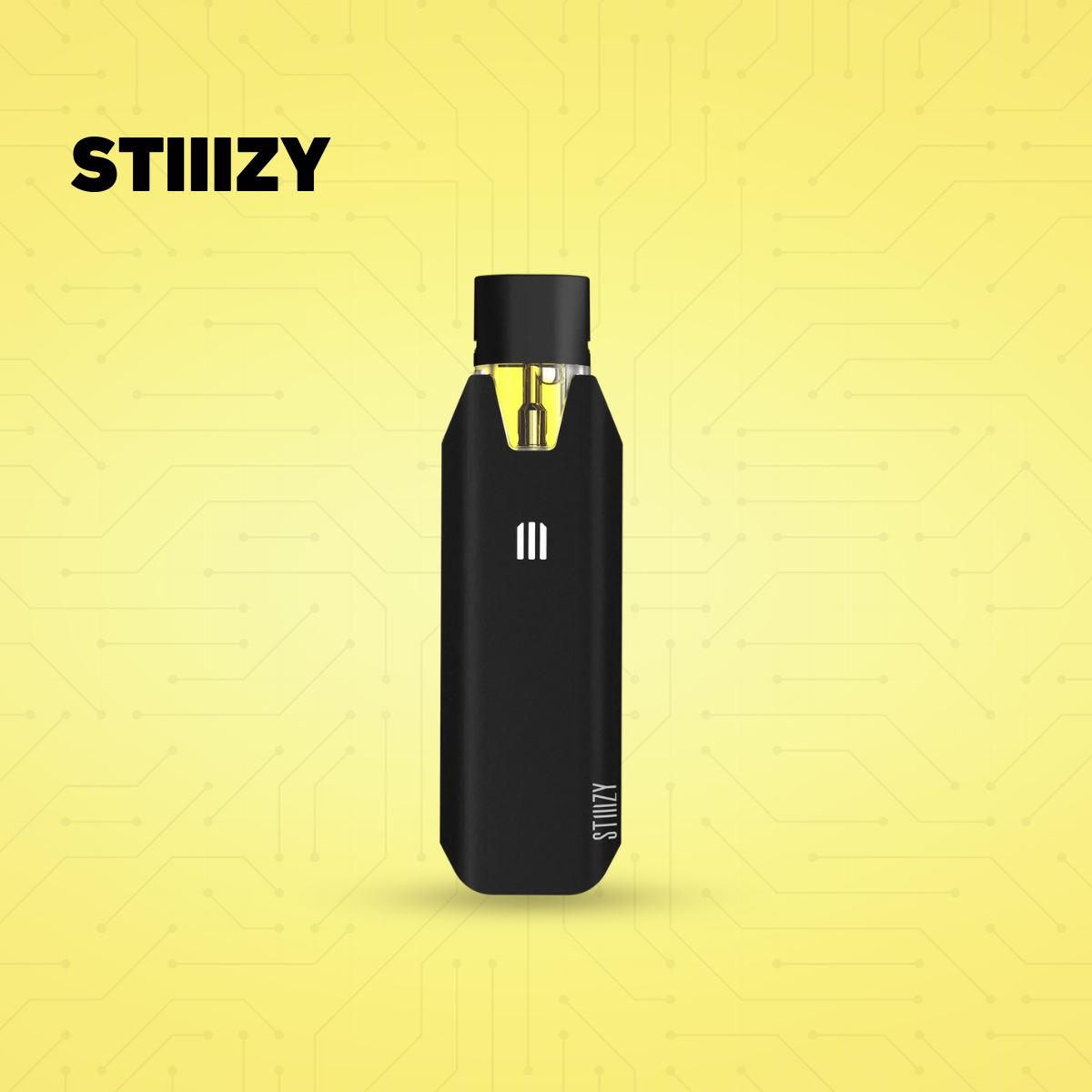
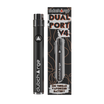
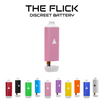
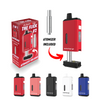
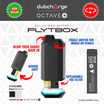
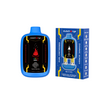
THCA Disposables combine two risk surfaces in one purchase: the oil you inhale and the hardware heating it. Your screening should cover both, whether you are looking at a mainstream option like a Backpack Boyz 1g or higher-end lines from Cookies or PlugPlay.
Avoid mystery oils and additives
The most practical disposable safety filter is simple: only inhale oil you can identify. A COA helps, but it does not fix a vague formula or an untraceable unit.
Avoid products that rely on unknown diluents or “smoothing” agents to change viscosity. If the ingredient list does not clearly state what is in the tank beyond cannabinoids and listed terpenes, treat that as a quality red flag rather than a harmless omission.
- No unknown diluents: skip disposables that hint at “cutting agents,” “thinners,” or proprietary blends without plain-language contents
- Watch vague ingredient lists: “natural flavors” or “botanical blend” without specifics is not the same as a disclosed terpene formula
- Prefer sealed, traceable units: choose devices that arrive sealed and match a batch identifier you can verify on the product listing
Hardware quality changes exposure risk
Disposable hardware is not neutral. Substandard materials and poor assembly can increase metal exposure risk, especially when coils and solder joints are inconsistent.
Cheap devices also heat unevenly. That can mean harsher pulls, more degradation byproducts, and a higher chance of burnt oil taste because the heater overshoots rather than running steadily.
- Metal leaching concerns: avoid visibly low-grade hardware and unbranded units with no manufacturing accountability
- Inconsistent heating by cheap devices: look for disposables known for stable output, not maximum cloud marketing
- Reputable disposable sourcing preference: buy through retailers that publish lab documents per batch and stand behind the device; on DubCharge, you can cross-check COAs on THCA Disposables, including Backpack Boyz 1g and premium options like Cookies and PlugPlay
Drug test reality check before you use THCA

THCA use can still put you in THC-positive territory. Most workplace and compliance testing is not looking for THCA itself, it is looking for THC metabolites, and once THCA is heated it converts to THC and produces the same metabolites. drug testing research notes that a single session of smoking THCA flower can create urine-detectable THC-COOH for 3-5 days in most people.
Inhalation increases the likelihood of this outcome because vaping or smoking is the use pattern that reliably decarboxylates THCA in real time. That makes THCA flower and THCA disposables higher risk for testing than products you never heat.
If your job, probation, DOT-style program, or custody situation treats a THC positive as a violation, treat THCA as a stop sign. Pause the purchase entirely if testing matters, even if the product is legal and has a clean COA.
Safe handling after delivery: storage steps that protect quality and compliance

The easiest way to avoid “contaminated product” problems after delivery is to prevent heat, light, and air exposure that can degrade oils and concentrates and make hardware behave inconsistently. Treat your package like a regulated item: you are protecting quality and keeping the labeling that proves what the product is.
Use a storage routine you can repeat:
- Keep products air-tight and in a cool, dark place to limit oxidation and moisture swings
- Hold a stable temperature and keep them out of sunlight (avoid windowsills, cars, vents, and appliances)
- Store in child-resistant packaging, elevated, and ideally in a lockable location
- Keep the original labeled packaging so batch info and required warnings remain available if you need to verify what you received
This is the same approach we recommend for THCA flower, concentrates, and disposables: preserve the product as-tested, not “loose” in a drawer.
Close the gap between “hemp compliant” and safe to order
Before you checkout, treat THCA like a regulated product. Start with shipping reality, not assumptions. Confirm our ship-to-states rules for your exact location first, because federal hemp compliance under the 0.3% Delta-9 THC threshold does not override state restrictions.
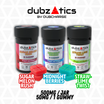
Next, open the Certificate of Analysis on your selected DubZotics strain page or THCA product page and verify the batch number matches the listing. Then confirm the COA includes potency plus contaminant screening for pesticides, heavy metals, and microbials.
If you want an inhalable option, keep the same standards and choose a lab-tested THCA Disposable like Backpack Boyz 1g, or a premium disposable from Cookies or PlugPlay, only after it clears the checklist.
Frequently Asked Questions
Does THCA fail a drug test?
It can. When THCA is heated, it converts to Delta-9 THC, and THC exposure can produce a positive result on many workplace drug tests. If testing is a concern, pause your purchase and confirm your policy before using any inhalable THCA product.
Why shouldn't you smoke THCA?
Heating THCA drives decarboxylation, which converts it into Delta-9 THC and increases both impairment risk and the chance of a drug test issue. Safety also depends on product quality, so inhalation should be limited to batches with a COA that includes pesticides, heavy metals, and microbials.
What states have made THCA illegal?
State rules change and are enforced at the state level, so there is no single static list that stays accurate for long. The practical move is to verify ship-to-state eligibility first, then proceed only if your location is eligible and the product has a complete, batch-matched COA.
What should I look for in a THCA product's lab test?
Match the COA batch number to the product listing, then review potency and confirm contaminant panels are included for pesticides, heavy metals, and microbials. If any of those panels are missing, the product does not meet a basic safety standard for inhalation.
Why are cheap vaporizers risky for THCA products?
Lower-quality devices can have inconsistent manufacturing and materials that increase exposure risk when heated. For inhalables, stick to reputable, sealed devices and only buy products that are supported by batch-specific COAs with contaminant screening.


Leave a comment
This site is protected by hCaptcha and the hCaptcha Privacy Policy and Terms of Service apply.