









THCA flower vs disposables vs prerolls: A COA-first way to choose
THCA flower is usually better if you care about flavor and control, THCA disposables are usually better if you need discretion and zero prep, and THCA prerolls are only “better” when the brand proves it is not trim in a tube. The real decider is not the format.
Here’s what matters most right now:
- Flower gives the most control over session size, burn, and repeatable experience.
- Disposables win when you need discreet use with no grinding or packing.
- Prerolls are the highest risk for shake and trimmings unless sourcing is proven.
- A COA should confirm identity and potency, not just a big THCA number.
- If the COA is missing or vague, treat the product as unverified.
- Always confirm your state eligibility before ordering to avoid compliance surprises.
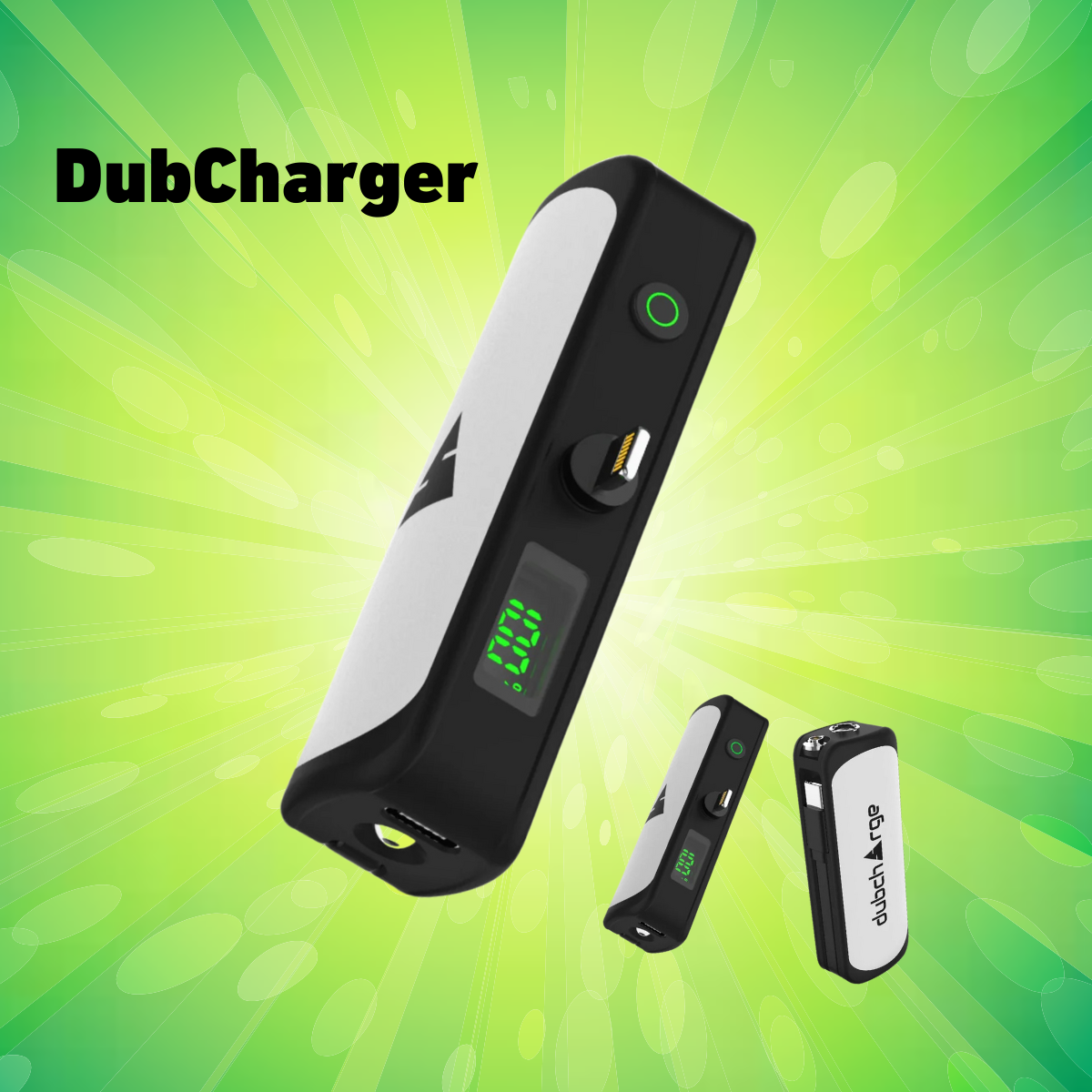
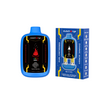
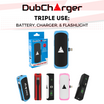
At DubCharge, we curate across 10,000+ SKUs and push a simple rule: pick the format you will actually use, then only buy the option you can actually verify. That is why we highlight COAs on listings and carry choices across DubZotics THCA flower, premium-brand disposables, plus prerolls and hash holes for true no-prep sessions.
Next, compare flower, disposables, and prerolls on the three things that actually affect your outcome: quality risk, how discreet the format is, and how strong your COA proof really is.
How flower, disposables, and prerolls differ on risk, discretion, and COA proof

Stop treating flower, disposables, and prerolls as interchangeable. They fail in different ways, and if your main worry is mislabeled or poorly tested THCA from resellers, the “best” format is the one you can verify with minimal guesswork.
Quality risk by format
Quality risk is not evenly distributed across formats. Flower risks show up in cure and storage, preroll risks concentrate in what got ground up, and disposable risks depend on how transparent the oil and hardware sourcing really are.
With flower, cure variability is usually visible and smellable. A rushed cure often presents as muted aroma, a flat or hay-like note, and uneven moisture (too dry to handle well, or spongy and damp-feeling). You can also spot inconsistency between buds in the same jar, which is a practical red flag for batch handling and post-harvest control.
Prerolls carry the highest “filler” risk profile because you cannot see what you are buying once it is milled. Even when the strain name is legitimate, the input can slide from whole flower to shake or trim, and you only find out after you light it. That is why prerolls are only worth treating as premium when the brand is explicit about the input material and backs it with matching testing.
Disposables can be excellent or a black box. The variability comes from oil sourcing (what extract it is, how it was refined, and whether it was blended) plus device quality. If the source and lab results are vague, you have no clean way to separate “good oil in a good device” from “unknown oil in a disposable shell.”
Discretion and daily practicality
Discretion is mostly about odor plus how long the session takes. In typical use, disposables are the most discreet because the odor is lighter and dissipates faster than combusted flower.
Flower has the biggest session footprint: you need a grinder or your hands, something to pack, and somewhere appropriate to use it. Prerolls reduce the prep, but the smoke odor is still the same category as flower, and the lit end makes “quick and discreet” harder to pull off.
Storage and portability also separate the formats. Flower needs smell-aware storage and is easier to dry out or get crushed in transit. Prerolls are portable but can be bent, stale out, or lose airflow if stored poorly.
Disposables generally travel easiest because they are self-contained and do not rely on keeping plant material at a stable moisture level.
- Lowest odor and fastest sessions: disposable
- Lowest prep: preroll (but still a full smoke session)
- Most accessories and strongest odor: flower
How easy COA verification is
COA verification is where most buyers get burned, and format changes how hard it is to confirm you are looking at the right lab result. The simplest win is a clean batch ID you can match to what is physically on the product packaging, not just a generic PDF.
Batch IDs and lot matching tend to be easiest with packaged flower and some branded disposables, where you may see a lot number, batch number, or production date on the label. Prerolls are often the hardest when they come as single units without a clearly printed lot identifier, because you cannot reliably tie a “strain COA” to the specific unit in your hand.
Testing completeness expectations should be higher when the product is more processed. A reasonable standard is: potency plus contaminant screening that is clearly listed, with the lab name and sample identifiers visible. This aligns with certificate of analysis standards, which exist to prove the label matches what a third-party lab actually tested.
Product page COA access matters more than most people admit. If you have to request the COA after purchase, or the COA is unlabeled, undated, or cannot be matched to a lot, verification becomes trust-based instead of evidence-based.
- Look for: product name, lab name, test date, and a batch or lot ID you can match to the package
- Be cautious of: “strain-only” COAs with no lot identifier, or COAs that do not show sample identifiers
- Prefer: listings where the COA is directly accessible before checkout
When THCA flower makes sense for flavor, control, and repeatable sessions

Flower is the THCA format that gives you the most sensory feedback and the most chances to verify what you bought. That matters if your main worry is resellers moving rushed, poorly cured inventory where the COA exists, but the jar still smells flat and tastes like generic hemp.
Flavor control and session tuning
Flower makes sense when you want to steer flavor and intensity without committing to a full device or a pre-packed roll. The same jar can deliver a light, terp-forward session or a heavier one, depending on how you prep and pack.
Grind size and airflow are the first levers. A finer grind usually tightens airflow and can push extraction faster, while a coarser grind tends to breathe better and can preserve more top-note aroma. If the draw feels restricted, you often taste heat and plant material before you taste the strain.
Dose control is also straightforward because each bowl is a defined unit. You can keep sessions repeatable by weighing a consistent amount or using the same scoop, instead of relying on variable fill in prerolls or a disposable’s unknown puff-to-dose relationship.
Strain-specific terp expression is where flower can outperform other formats, but only when the material was handled well. peer-reviewed terpene research is clear that terpenes are volatile and drive much of what you smell and taste, so small changes in prep and heat exposure show up immediately in the session.
- Quick tuning checklist: coarse grind for easier airflow, medium grind for balanced extraction, fine grind only if your piece still draws freely
- Keep bowls consistent: use the same grinder, the same pack pressure, and a repeatable bowl size so the “same strain” stays the same day to day
- Expect real differences by strain: a loud jar usually stays expressive across multiple sessions, while a muted jar rarely “opens up” with technique alone
Why some online flower tastes muted
Muted smell and a “hempy” taste usually point to post-harvest speed, not a problem with THCA as a compound. A reseller can show a potency COA and still deliver flower that was dried or stored in a way that stripped the aroma you expected.
Drying too fast has tells: buds that go from sticky to brittle quickly, aroma that is faint until you grind (and even then is thin), and a one-note, grassy flavor. That profile is common when material is pushed through drying to hit a ship date.
A weak cure shows up as an aroma that never deepens. Instead of distinct strain character, you get a flat “plant” smell and a short flavor window that disappears after the first few pulls.
Packaging and storage can finish the job. Excess headspace, poor seals, heat exposure in transit, and time sitting in non-ideal conditions all bleed off volatiles, so the jar arrives technically compliant but sensorially disappointing.
- On arrival, smell the closed container first: a strong seal usually traps aroma, while a leaky package often arrives already “aired out”
- Check for aroma complexity, not just strength: strain character should be noticeable before and after grinding
- Prefer retailers that publish batch-specific COAs on the listing; on DubCharge, we keep COAs on product pages so you can match what you received to what was tested
Curing shortcuts you can spot
You can often detect cure shortcuts before you commit to a full session. The biggest value of buying flower for repeatable sessions is that you can audit it with your senses immediately and decide whether it is worth keeping in rotation.
Harsh smoke is the fastest red flag. If the first light feels sharp and stays abrasive even with gentle draws, the material often was not given time to settle after drying, and the flavor tends to collapse into “burnt plant” instead of strain notes.
Texture is the second tell. Over-dried buds can feel crumbly, turn to dust when handled, and burn hot and fast, which mutes terp expression and makes dosing less predictable.
The third tell is inconsistent moisture inside the same jar: one bud spongy, another brittle, or a damp-feeling center with a dry outer layer. That inconsistency is a common outcome of rushed handling and uneven drying conditions.
- Harshness check: irritation on the first few pulls that does not improve with smaller hits
- Structure check: buds that shatter into powder with minimal pressure
- Moisture check: mixed textures in the same container, suggesting uneven dry or cure
When a THCA disposable wins for discretion, zero prep, and beginner simplicity

A THCA disposable is the convenience play: pocketable, no charging cables, no separate cartridge, and no learning curve. That convenience only pays off when you can verify testing and trust the oil and hardware, because resellers can mix batches, mislabel potency, or move old inventory without clear provenance.
Discretion and zero-prep benefits
Disposables win when you need a fast, low-profile session with minimal setup and minimal lingering smell compared with smoked flower. Expect a light, vapor-type scent that typically clears faster than combustion, not a zero-odor product.
The practical advantage is speed and cleanup: you do not grind, pack, or empty anything, and there is no ash or resin-coated gear to deal with after. For beginners, that reduces the “did I do this right?” factor and makes dosing-by-puffs more repeatable.
They also fit a travel-friendly routine because there are fewer loose parts to forget or spill. The tradeoff is you are trusting the brand’s oil blend and device build quality, so discretion should not override verification.
- Odor expectations: lighter than smoke, still noticeable up close, usually dissipates faster indoors with normal airflow
- Fast sessions: short pulls, cap it, back in a pocket with no accessories
- Cleanup: essentially none beyond keeping the mouthpiece area clean
COA items that matter for vapes
For a disposable, the COA is your best defense against mislabeled product and sloppy reseller handling. Look for a report that matches the exact item you are holding, not a generic lab PDF that could apply to anything.
Start with cannabinoid profile alignment: the listed THCA, total THC methodology, and any added cannabinoids should make sense for how the product is marketed. Then confirm the safety screens that matter for inhaled oil.
- Cannabinoid profile alignment: product name or SKU matches, potency numbers are clearly reported, and the sample type is a vape oil (not flower)
- Solvent and contaminant panels: residual solvents, heavy metals, pesticides, and microbials are shown as pass with limits listed, not omitted
- Batch number traceability: lot or batch number on the device or packaging matches the COA, with a recent test date you can verify
A COA that cannot be tied to a specific batch is where “reseller mystery product” problems usually start.
Hardware and oil reputation signals
Hardware trust is not guesswork. Reputable disposable brands make it easy to identify what you bought, where it came from, and how to verify it, and reputable retailers do not blur that line by swapping inventory sources.
Consistency is the tell: devices that arrive with the same fill level, draw resistance, and flavor profile batch to batch are usually backed by tighter oil sourcing and manufacturing controls. The opposite pattern is leakers, burnt hits early in the device life, or wildly different taste from one unit to the next.
Avoid unknown reseller inventory when possible. A common failure mode is a legitimate brand name attached to old stock, mishandled storage, or a batch that does not match the posted COA, which is exactly the risk you are trying to reduce.
- Brand transparency cues: clear manufacturer identity, accessible COAs by batch, and packaging that shows a lot number you can cross-check
- Consistent fill and performance: no half-filled look, no immediate clogging, no rapid flavor burn-off across units
- Avoid unknown reseller inventory: prioritize sellers that publish batch-specific documentation and do not commingle listings across multiple sources
When prerolls are worth it and how to avoid trim-filled tubes
Why shake-heavy prerolls are common
Low-grade prerolls are common because they are priced like a convenience item but expected to deliver like whole flower. That math pushes brands to protect margin by using cheaper inputs and faster production.
The incentive is simple: after trimming and handling, there is always leftover biomass. Shake is actual flower that falls off buds, and trim is the small leaf material cut away during processing, but both are easier to monetize in a tube than to sell on their own. That incentive exists even when the label does not say “shake” or “trim.”
You usually feel the difference in the burn. A shake-heavy roll tends to be drier and more inconsistent in particle size, which can create hot spots, canoeing, and a harsher throat hit, especially as it runs down to the last third.
- Prerolls are a margin product: low shelf price plus labor and packaging encourages cost-cutting inside the paper.
- Leftover biomass has a built-in outlet: shake and trim move faster as prerolls than as loose material.
- Uneven grind and dryness often show up as uneven burn and harsher smoke.
Signals of a quality preroll
A quality preroll is easy to verify before you light it: clear strain info, a COA that matches the batch, and a roll that feels consistently packed. If any one of those is missing, you are back to guessing.
Look for strain identification that goes beyond a catchy name. You want enough clarity to confirm you are buying the cultivar you think you are buying, not a blended “house mix.”
Testing matters only when it is tied to what is in your hand. Certificate of analysis standards are useful here because a real COA should map to the product’s batch and confirm the contents match the label.
- Strain identification: strain name is consistent across the listing, package, and COA reference.
- COA tied to batch: batch or lot identifier is present and matches what the seller shows you.
- Consistent weight and pack: the tube lists a specific weight, and the roll feels evenly firm from tip to filter, not lumpy or soft in sections.
Hash holes for no-prep sessions
Hash holes are the smarter no-prep choice when potency is the priority and you do not want to assemble anything. You are paying for an intentionally built experience, not a disposal method for leftovers.
They also make sense for social sessions because the burn rate and intensity are the point: one item to pass, predictable pacing, and fewer “who has the grinder” interruptions.
Compared with plain flower, a hash hole can mean less gear and fewer steps. If you want a vetted option, we stock hash holes and prerolls on DubCharge with batch-linked COAs on the product page so you can check what you are buying before you commit.
- Choose a hash hole when you want fewer pulls to reach your target intensity, not when you are chasing the cheapest per-gram price.
- Choose it for groups when you want one shareable item that holds attention and reduces constant relights.
- Choose it when you want less setup than grinding and packing flower, while still staying in the preroll format.
A short COA checklist you can use on any listing

Mislabeling risk is highest when a reseller posts a blurry PDF, a COA that is not tied to your exact batch, or results that do not match the format you are buying. This checklist is designed to let you verify the basics in under two minutes, without lab expertise.
Potency and identity checks
Start by validating that the potency lines make chemical sense for how THCA is reported. Most bad listings do not fail on a fancy contaminant panel, they fail on simple math or missing basics.
For potency, you want to see THCA listed separately from delta-9 THC, plus a total THC calculation or enough data to infer it. A COA that only shows “THC” with no THCA line is hard to trust for a THCA-specific listing.
Terpene results are not mandatory everywhere, but their presence signals a more complete test package and helps you sanity-check aroma claims. Sample dates also matter because older samples are easier to reuse across “new” drops.
- Potency layout: separate THCA and delta-9 THC lines (not a single catch-all “THC” number)
- Total THC: either explicitly listed or clearly derivable from the cannabinoid table
- Terpenes: listed by compound and amount, or clearly noted as “not tested” rather than omitted
- Sample date: recent enough to plausibly match the current inventory, not months old with no explanation
Safety and compliance panels
Next, confirm the COA includes the right safety panels for the format, because the risk profile changes between flower, infused prerolls, and vapes. You are looking for pass or fail status plus clear reporting limits, not just a green checkmark graphic.
- Pesticides and heavy metals: present with pass results (these are core screens for inhalable hemp products)
- Microbials (where applicable): especially relevant for plant material like flower and prerolls, since moisture and handling are variables
- Residual solvents: required for vapes and other extracts so you can see whether common processing solvents were tested and passed
Traceability and document red flags
Finally, make sure the document can be traced to a real lab result for your exact item. A legitimate certificate of analysis standards setup ties a batch or lot number on the COA to the product identifier on the listing.
Treat traceability failures as a stop sign, even if the potency looks great.
- Lab name and accreditation: a real lab identity, not “in-house lab,” plus clear credentials listed on the report
- QR code: scans and resolves to the same report (not a dead page, a generic homepage, or a different product)
- Identifiers match: brand, strain or flavor name, batch or lot number, and product type align across the listing, packaging photos, and COA
Confirm your state eligibility before you order for discreet delivery
Before you place a discreet order, verify your state on the DubCharge ship-to-states page and only buy what can legally ship to your address. Keep billing and shipping details consistent so payment and fulfillment checks do not flag the order. Avoid restricted destinations like freight forwarders, PO boxes, or other non-residential drop points.
When choosing between formats, prioritize listings with attached COAs that follow certificate of analysis standards.
Choose the format you can actually verify, then order with fewer surprises
If you want the most control over flavor and session consistency, start in our DubZotics THCA flower category and confirm the COA is attached on the product page before you buy. If discretion and zero prep matter more, shop our premium-brand THCA disposables and use the same COA-first filter, because oil quality and hardware credibility are only as good as the documentation behind them. If you are choosing prerolls for true convenience, keep it strict: pick a preroll or hash hole only when the listing includes clear COA support, not vague lab claims.
Before checkout, confirm your eligibility on our ship-to-states page so your discreet order does not get delayed by avoidable restrictions. Then place the format you chose with the COA in hand.
Frequently Asked Questions
Will a THCA preroll get you high?
It can, because THCA converts when heated. What varies is the experience: prerolls are the most likely format to hide low-grade inputs, so you will want a preroll listing that includes a clear, complete COA rather than relying on the label.
Why shouldn't you smoke THCA?
The bigger issue is not a universal rule about THCA, it is buying products you cannot verify. If you choose to smoke or vape, prioritize listings with an attached COA and avoid anything that feels rushed, undocumented, or vague about testing and sourcing.
Are THCA pre-rolls worth it?
They are worth it when you value no-prep convenience and the brand proves what is inside with a COA, not when it is just “shake in a tube.” If you care about quality control and repeatability, flower usually gives you better visibility and control.
Is flower better for your lungs than carts?
This comparison is not something you can answer reliably without individual health context, and product quality varies too much to generalize. If you are deciding between them, focus on what you can verify on the COA and the reputation of the seller and hardware, rather than assuming one format is inherently safer.



Leave a comment
This site is protected by hCaptcha and the hCaptcha Privacy Policy and Terms of Service apply.