







Affordable THCA Products That Pass COA Checks
You can buy affordable, legit THCA products online if you follow two rules: confirm it can legally ship to your state, then verify the COA before you compare prices.
Here’s what matters most right now:
- Confirm the product can ship to your state before you add it to cart.
- Open the COA first and verify compliant delta-9 THC plus full-panel cleanliness.
- Use COA potency to calculate value as dollars per mg of THCA.
- Compare formats by performance, because lifespan can erase a “cheap” deal.
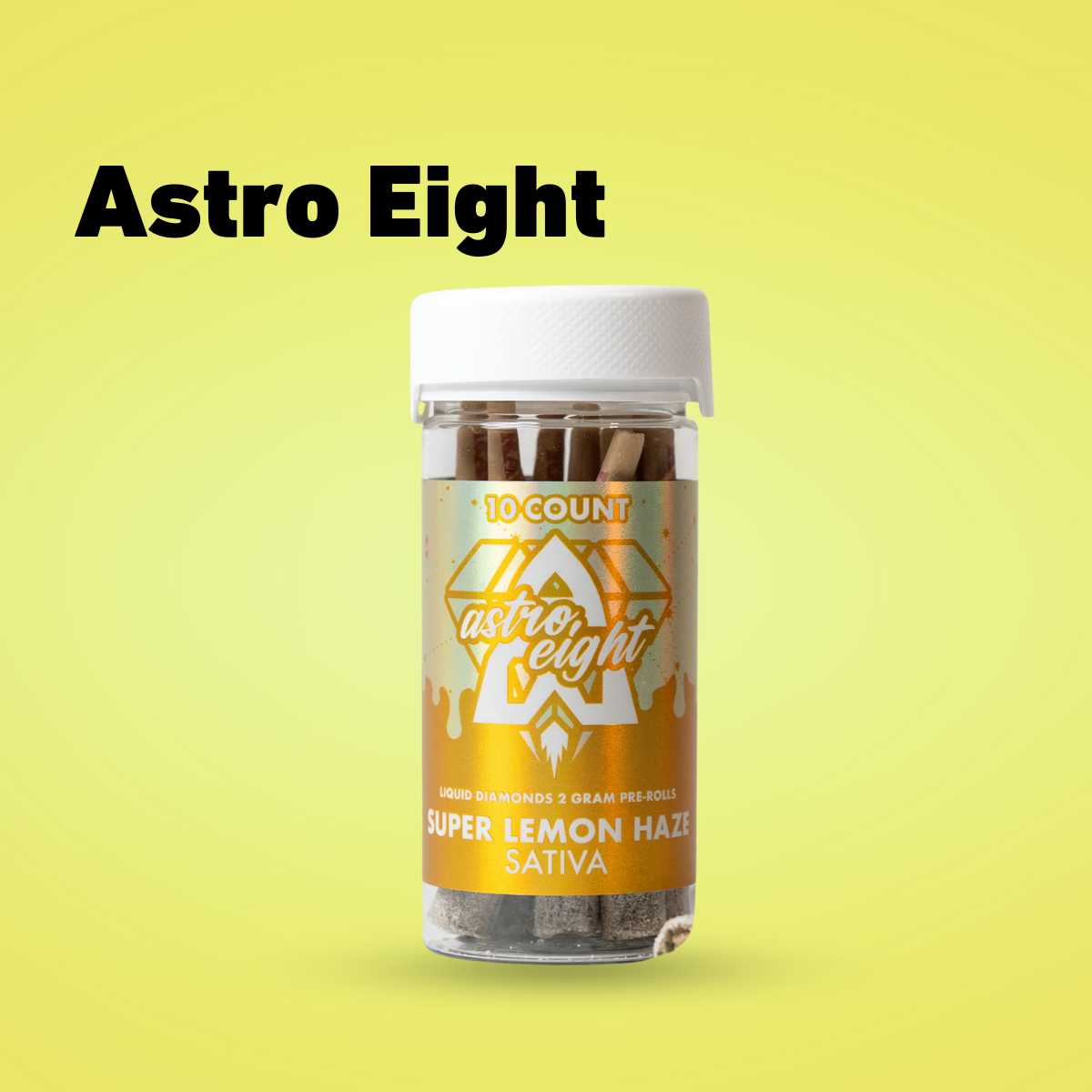
- Live Resin typically prioritizes terpene flavor, while Liquid Diamonds skew more intense.
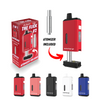
At DubCharge, we built this shopping framework around real value checks across 10,000+ SKUs, with a focus on COA transparency and realistic cost-per-gram. If you want a low-commitment test run, start small with something like Backpack Boyz THCA 1G Disposable, then scale up once the COA and performance match your expectations.
Start where most bad purchases begin: make sure the exact THCA product you want can legally ship to your state, without turning it into a legal-history deep dive.
Start by confirming it can ship to you

Do not start with a legal-history deep dive. Start with the only question that matters for a budget buy: can you legally check out and receive delivery where you live, today.
Ship-to-states check in 60 seconds
Check the retailer’s ship-to-states page before you compare prices or potency. It is the fastest way to avoid wasting time on products that will be blocked at checkout or cancelled after purchase.
Expect variation by state and sometimes by locality, even when the product is hemp-derived. Restrictions can change based on where the order is going, what format you choose, and the carrier rules that apply to that destination.
Also confirm the age gate and delivery eligibility. For THCA products, plan on 21+ verification, and assume the order may be rejected if the shipping name, ID, or delivery access does not match.
- Open the ship-to-states page first, then confirm your state is listed as eligible before you add items to cart.
- Treat shipping eligibility as location-specific, not “federally legal means it ships everywhere.”
- Confirm the purchase and delivery requirements for adults 21+ only before you try to place the order.
What to do if blocked
A shipping block is a hard stop, not a problem to workaround. Attempts to reroute a restricted package can create preventable issues, including cancellations, delays, or failed delivery verification.
Instead, shift the order to compliant formats that are allowed for your destination, or choose a seller that clearly supports your state with transparent checkout rules. The goal is eligibility you can complete cleanly, not a workaround that risks the order.
- Do not reroute packages to a different address or state to bypass restrictions.
- Choose compliant formats that the checkout allows for your location, rather than forcing a blocked category.
- Save a compliant shortlist for your state so future deal checks start with items you can actually receive.
Open the COA and prove it is compliant and clean

Do not start with the lowest price. Start with the COA, because it is the only document that can confirm compliance, potency, and basic safety screening for a specific batch.
Affordable THCA can be a legitimate buy when the report is complete, current, and matches what is on the label. Cheap without a verifiable COA is just an unpriced risk.
Compliance numbers that must match
Your first compliance check is delta-9 THC: the COA should show delta-9 THC under 0.3% by dry weight for the tested sample. If delta-9 is not listed, or the units are unclear, treat that as a failure until clarified.
Next, confirm you are reading the report for the exact item you are holding. A COA that belongs to a different batch can look clean while the product in your hand is something else entirely.
Recency matters because hemp-derived products can sit in storage and change hands. A “lab-tested” claim with an old test date is not the same thing as current verification.
- Delta-9 THC: listed explicitly and shown below 0.3% (dry weight basis). If the report only highlights THCA without delta-9, it is incomplete for compliance screening.
- Batch ID / lot number: the batch identifier on the COA matches the product label or package exactly, character-for-character.
- Test date: look for a recent report for that batch, not a generic “2023 COA” reused across multiple listings.
Potency checks beyond the headline
The potency headline on a listing is easy to game; the COA is harder. You want THCA reported as a percentage by weight on the cannabinoid potency page, with clear units and a sample basis (typically dry weight).
Total cannabinoids help you interpret whether a THCA number is plausible and whether the product is being positioned honestly. A product can have a decent THCA percentage but a weak overall cannabinoid picture, especially when reports omit minor cannabinoids or fail to show the full potency table.
A common bad-buy signal is a COA that is “available” but missing the actual potency page, replaced with a single screenshot or a summary without the full analyte list.
- THCA percent by weight: find the cannabinoid table and locate THCA specifically, not just “total THC” or a marketing claim.
- Total cannabinoids context: compare THCA to the rest of the cannabinoid table to see whether you are looking at a complete profile versus a selectively presented number.
- Missing potency pages: avoid COAs that do not include the cannabinoid potency section in full (page numbers, analyte list, and results), even if other pages are present.
Purity red flags that waste money
A low price becomes expensive when you cannot rule out contaminants. Look for full-panel availability, meaning the COA includes more than cannabinoids, with clear pass results for the contaminant categories that matter for inhaled or heated products.
Pass results should be easy to read: each panel is listed, each analyte is reported, and the outcome is marked as pass within the lab’s stated limits. A “pass” badge without underlying results is not the same as a report you can audit.
Also verify the lab source itself. An unlabeled lab, a COA with no lab name, or a report that cannot be tied to a real facility is a predictable indicator of a bad buy.
- Full panel availability: potency plus additional panels (for example, heavy metals, microbials, pesticides, and residual solvents where applicable) are actually included, not merely referenced.
- Contaminant pass results: each panel shows a pass status with the underlying measurements or “ND” style reporting, not a marketing graphic.
- Lab identification: the COA clearly names the third-party lab and provides enough report metadata (sample ID, method references, page numbering) to treat it as a real document, not a template.
Do the potency-adjusted value math in one line

Sticker price only becomes meaningful after you anchor it to the COA potency, not front-label hype. Put the numbers into a simple table (product, grams, THCA %, COA link/date, price, calculated $/mg) so every format is comparable at a glance.
The $ per mg THCA formula
To compare value across products, convert what you are buying into milligrams of THCA, then calculate a single metric: dollars per mg THCA. This removes packaging and marketing from the equation and forces an apples-to-apples potency check.
Use the COA THCA percentage, then multiply by the net weight in grams to estimate THCA grams. Convert grams to milligrams (1 gram = 1,000 mg), then divide the price by the total THCA mg.
- THCA grams = product grams x (THCA % ÷ 100)
- THCA mg = THCA grams x 1,000
- $ per mg THCA = price ÷ THCA mg
This is the same logic used in cost-per-milligram analysis for cannabinoid products, because a higher sticker price can still be the better deal once total mg is accounted for.
Comparisons that stay fair
Keep comparisons tight: evaluate like against like, or the math will mislead you. A Live Resin disposable and a Liquid Diamonds disposable can both be “2g,” but they are not automatically equivalent in experience or typical pricing structure.
Flower versus infused pre-rolls needs a specific caveat: the infused option often includes concentrate added to flower, so you are paying for two inputs. Treat them as separate categories and compare each against its closest peer, not against plain flower as if they are interchangeable.
- Compare the same concentrate types to each other (Live Resin vs Live Resin; Liquid Diamonds vs Liquid Diamonds; blends vs blends)
- Do not benchmark infused pre-roll value against standard flower without flagging that infusion changes the potency base
- Ignore puff-count marketing; it is not a potency unit and does not normalize for draw length, oil viscosity, or device efficiency
Pick the cheapest format that will still perform for you

Format matters because “cheap” can fail on performance, not just potency. Live resin usually earns its cost on terpene-forward flavor, while liquid diamonds tend to deliver a sharper, more intense hit that many people buy for effect-per-draw.
Either way, the active experience depends on heat: decarboxylation happens when you smoke or vape, converting THCA into active THC at the coil or in the burn zone.
Flower vs pre-rolls vs hash holes
For daily use, flower is usually the best value per milligram because you are not paying someone else to portion it, pack it, and protect it. Pre-rolls and hash holes can still be “worth it,” but their pricing often reflects convenience, not better potency-adjusted value.
Freshness is where budget products get mislabeled as “weak.” Flower that sits in a dry environment loses aroma and can feel flat even if the COA looks strong, and pre-rolls typically dry out faster once they are rolled because there is more exposed surface area inside the paper.
Hash holes add another variable: they can hit harder per session, but that does not automatically make them cheaper for routine use. If you want reliable performance without paying a convenience premium, treat them as an occasional format instead of your baseline.
- Choose flower when: you use it most days and want maximum potency-adjusted value, and you can store it sealed and away from heat/light.
- Choose pre-rolls when: you prioritize consistent portioning and no prep, and you accept that dryness can dull flavor over time.
- Choose hash holes when: you want higher intensity per session and are comfortable paying extra for that build and convenience.
Disposables that do not disappoint
A disposable’s real lifespan depends more on your draw style than the gram count on the box. Short, gentle draws with pauses typically stretch performance, while hard pulls and rapid back-to-back hits can flood the coil, trigger clogs, and burn through oil faster.
The basics that keep “cheap” from turning into “wasted” are simple: store the device upright or at a slight angle, avoid heat, use moderate draws, and give the coil 30 seconds between pulls so it can cool. Burnt taste is often a usage-pattern problem, not proof the concentrate is inherently bad.
For sizing, a 2g to 3.5g range is the practical test window. It is long enough to judge whether the oil stays consistent and whether the hardware behaves over time, without locking you into an oversized device you may not finish.
If you want a small test run, we often see shoppers start with Backpack Boyz THCA 1G Disposable, then scale into larger capacities once draw style and formulation preference are dialed in.
- 2g: better for first-time format testing and lower commitment.
- 3g: a value-oriented middle ground for daily use if you already know you like the formulation.
- 3.5g: best after you confirm the device does not clog on your typical draw pattern and you can keep it stored properly.
Do the COA check once, then buy based on real value You do not need to gamble on “cheap THCA.” You need a repeatable checkout process: confirm your state is eligible to ship to, open the COA, verify sub 0.3% delta 9 THC compliance, then compare value using potency-adjusted cost instead of sticker price.
Shop with us by filtering DubCharge THCA by format and price, then open the COA on at least one item before you add it to cart. If you are still dialing in what you like, start with a small test run using Backpack Boyz THCA 1G Disposable. If you want a more intensity-forward option, test Big Chief THCa Liquid Diamonds Disposable 2G.
Once you know what performs for your usage, use DubRewards to keep lowering your ongoing cost-per-gram without lowering your standards.
Frequently Asked Questions
Is THCA legal?
THCA can be federally compliant when the product tests below 0.3% delta 9 THC, but state rules and shipping restrictions still vary. Your safest move is to confirm ship-to-state eligibility first, then verify compliance on the product COA before checkout.
How long does a THCA disposable actually last?
It depends more on your draw style and session pacing than any marketing claim. Short, gentle pulls with cooldown time between hits usually extend lifespan and preserve flavor, while hard pulls and chain hits tend to increase clogging and early performance drop.
What's the difference between Live Resin and Liquid Diamonds THCA concentrates?
Live Resin is typically chosen for terpene-forward, strain-style flavor, while Liquid Diamonds is usually chosen when intensity is the priority. To keep the comparison fair, use the COA to confirm potency and cannabinoid profile, then compare cost-per-gram within the same concentrate type.


Leave a comment
This site is protected by hCaptcha and the hCaptcha Privacy Policy and Terms of Service apply.