






Affordable THCA Products Cost Per mg: A COA-First Buying Playbook
You can buy affordable, legit THCA products online by doing two checks before you chase any “deal”: confirm the seller ships to your state, then verify the COA shows compliant delta-9 THC and real potency. The trap is thinking the lowest sticker price means the lowest cost.
Here’s what matters most right now:
- Check ship-to-state eligibility first, or the “deal” is irrelevant at checkout.
- Use the COA to confirm compliant delta-9 THC before comparing potency.
- Compare value using dollars per mg of THCA, not dollars per gram.
- Don’t compare across formats blindly, because lifespan changes the real cost fast.
- Disposables can be a smart test buy when you want low commitment.
- Bigger capacity only saves money if your draw style prevents clogs and early failure.
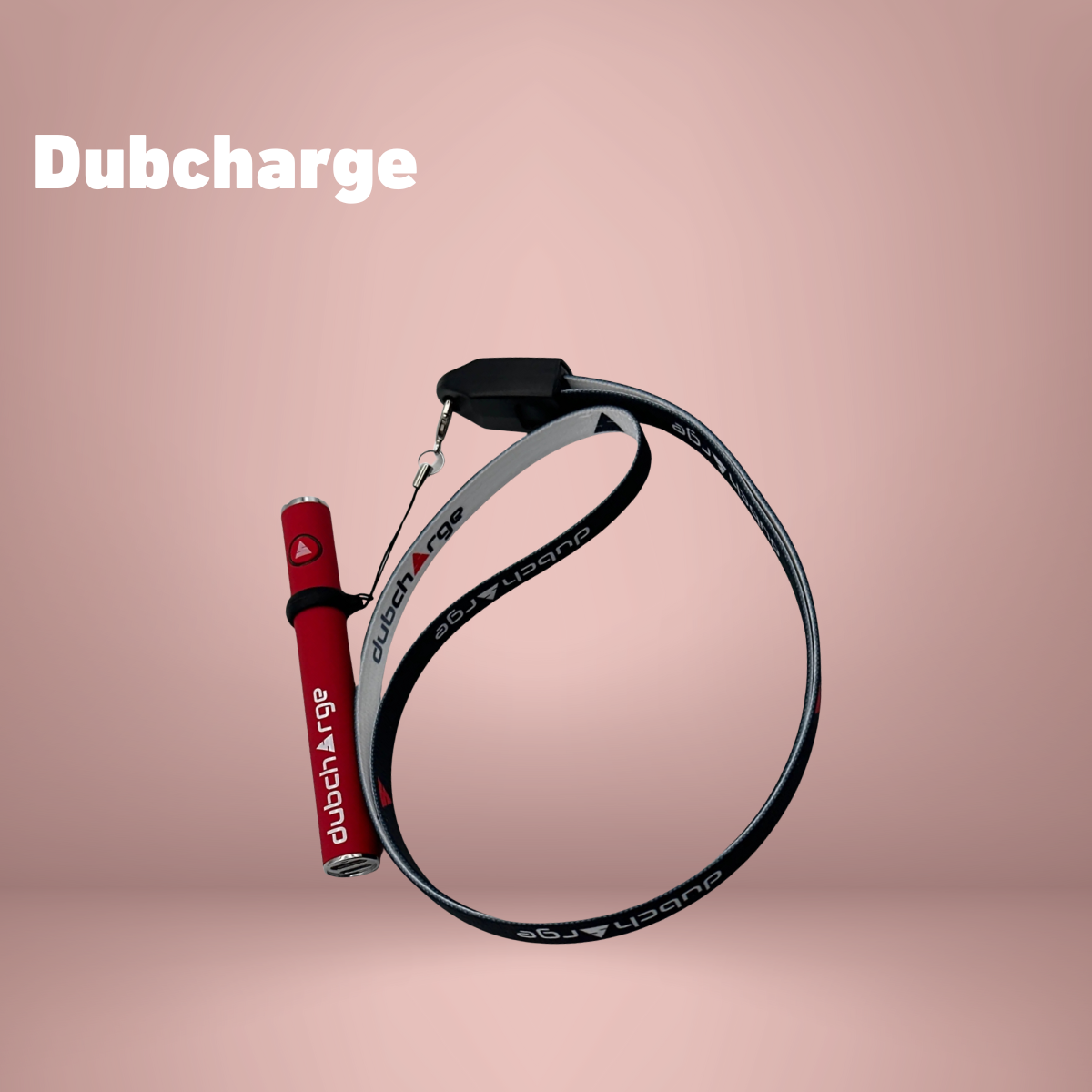
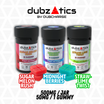
At DubCharge, we built this approach around real shopping behavior across 10,000+ SKUs, because “cheap” is only a win when the lab-tested details and the math agree. If you want a simple test run, start small with a Backpack Boyz THCA 1G Disposable, or step up intensity with a Big Chief THCa Liquid Diamonds Disposable 2G. If you prefer cartridges, we also carry 510-thread vape battery options so you can stay compatible across setups.
Next, you will see what actually changes price across THCA flower, pre-rolls, hash holes, and disposables so you can spot what you are paying for before you compare any numbers.
See what changes price across flower, pre-rolls, hash holes, and disposables

Two products can share the same sticker price and still deliver completely different potency, session length, and “how many nights this lasts.” The gap is not mysterious. Each format bakes in different material costs, processing steps, and built-in waste.
What you are paying for
Price moves with what is inside the product and what has to be built around it. A gram of THCA flower is mostly plant material with cannabinoids and terpenes distributed across the bud. A gram of infused material is different: you are paying for added concentrate content layered into the experience, not just raw flower weight.
Disposables can look “expensive for the grams” because you are also buying hardware. The oil is only one line item. The device still needs a battery, a heating element, a reservoir, airflow components, and assembly and QC, and those costs do not scale down just because you bought a smaller gram size.
Pre-rolls and hash holes often carry a labor premium. Filling, packing, and closing a consistent roll takes time, and brands also price in the parts you do not smoke: trim loss, reject rolls that do not meet weight or draw standards, and packaging that keeps the roll from drying out or being crushed.
- Flower grams: you are mostly paying for cultivated, dried flower weight and its potency, not added processing.
- Infused grams (including hash holes): you are paying for flower plus added concentrate content and the extra handling to combine them.
- Disposables: part of the price is hardware (battery, coil, reservoir, airflow) plus manufacturing and QA, not just oil.
- Pre-rolls: labor, consistency work, and production waste can be a meaningful slice of the final price.
Why they feel stronger or weaker
“Strength” is partly chemistry and partly delivery. THCA itself is not the same experience as activated THC, and decarboxylation requires heat. That is why a disposable or a lit pre-roll can feel immediate and intense: the coil or combustion provides the heat needed to convert THCA as you inhale.
Label comparisons also trip people up. A flower jar might emphasize THCA percent, while a disposable might list a total cannabinoid blend. Those are not interchangeable numbers.
A higher THCA percentage does not automatically translate to a stronger session if the total cannabinoid load, conversion efficiency, and draw size differ.
Terpenes and formulation choices change the perceived hit even when cannabinoids are similar. Live Resin formulations often feel more strain-forward because terpenes are part of the design, while Liquid Diamonds styles tend to prioritize cannabinoid intensity. Blends that include multiple cannabinoids can also shift how fast effects show up and how long they feel like they last.
- Heat drives effect: disposables and smoked pre-rolls provide on-demand decarboxylation, so they can feel stronger faster than unheated THCA.
- THCA percent is not the whole story: compare what the label calls out (THCA vs total cannabinoids) before assuming “higher number = stronger.”
- Terpene and formulation differences matter: Live Resin tends to emphasize flavor and nuance; Liquid Diamonds is commonly built for intensity; multi-cannabinoid blends can change the feel even at similar potency.
Remove the shipping risk before you compare deals

Check ship-to-state restrictions fast
Do the shipping check before you compare potency or price. If a retailer cannot ship to your state, every cost-per-mg calculation you run is wasted effort.
Start at the checkout or shipping policy and confirm your state is eligible before you add anything to cart. On DubCharge, use the ship-to-state guidance first, then shop formats and strengths inside what is actually deliverable.
Shipping eligibility is not the same thing as local legality. Even when a package can be sent, you are still responsible for possession rules where you live, including county and city limits that can be stricter than state policy.
- Verify your state is serviceable on the shipping page or at checkout (do not assume a neighboring state’s rules apply).
- Cross-check your local possession rules before ordering, especially if you travel between jurisdictions.
- Screenshot the ship-to-state confirmation, the product page, and the COA access point at time of purchase for your records.
What compliance language should show
A compliant listing should read like hemp commerce, not like a wink-and-nod workaround. Clear compliance language is a practical filter for whether the product was built to ship lawfully, not just marketed to sell.
Look for hemp-derived positioning that is explicit and consistent across the product title, description, and COA naming. The listing should also make the legal threshold easy to find, because the core claim is sub-0.3% delta-9 THC under the 2018 Farm Bill.
Do not accept “lab-tested” as a badge without access. The COA link should be on the product page, accessible before checkout, and specific to that item so you can verify what you are ordering matches what was tested.
- Hemp-derived language and compliant positioning (not ambiguous branding that avoids the category).
- A clear sub-0.3% delta-9 THC compliance claim stated in plain terms.
- A COA link on the product page that opens without requesting an order number.
Use the COA to separate cheap from risky

Cheap THCA only becomes “risky” when the COA is missing, mismatched, or fails basic thresholds. Your fastest repeatable check is: confirm delta-9 compliance, confirm potency math, then scan for obvious safety omissions.
Confirm delta-9 compliance first
The first COA line that matters for legality is delta-9 THC, because most hemp-derived products are sold on staying under the 0.3% delta-9 THC threshold.
Do not let “per serving” numbers distract you. A COA is typically reported as percent by dry weight and sometimes as mg per unit; compliance is about the delta-9 result on that report, and you need to know whether you are looking at a flower-style dry-weight percentage or an itemized serving table.
- Find the delta-9 THC line item and confirm it is clearly reported (not buried under vague “total THC” only).
- Watch the serving versus total trap: a label may show mg per serving, while the COA shows % by weight. If units do not align, you cannot sanity-check the claim.
- Match the batch: the COA batch or lot number should match the product page or packaging. A generic COA for a different batch is not a valid proof point.
Verify potency and purity basics
After delta-9, potency value lives in the THCA result, and you want it expressed in a way you can compare across products. Percent without context is easy to market and hard to shop.
Use the COA to translate THCA percent into mg totals for the actual amount you are buying (for example, grams of concentrate or the weight of flower). That is the only way to tell whether an “affordable” option is genuinely strong or simply priced low because it is weak.
Safety is also about what is missing. A serious COA shows a full panel, not just cannabinoids, and it should clearly list pass or fail outcomes for contaminants.
- THCA potency: look for THCA % plus enough product-weight context to estimate total mg of THCA for the unit you are purchasing.
- Full-panel presence: cannabinoids plus at least heavy metals and residual solvents sections, with clear results rather than “N/A” across the board.
- Heavy metals and solvents flags: avoid reports with missing categories, unexplained “ND” without limits of detection, or any failed results.
Calculate dollars per mg of THCA to find real value

Sticker price is not the same thing as value. If cheap THCA feels risky, the clean way to pressure-test it is potency-adjusted math from the COA, then a quick reality check on whether the product format will actually last in your routine.
The simple value formula
Use dollars per mg of THCA to compare “deals” without guessing: price divided by total THCA mg. This is the fastest way to spot weak products hiding behind a low price tag.
The only number worth using is the COA result, not the label claim. Labels can be rounded, reported as percentages without the underlying mg, or based on batch averages that do not match the unit you receive.
Keep comparisons format-matched. A disposable, a jar of concentrate, and flower can all be “1g,” but they do not deliver cannabinoids the same way, so treat dollars per mg as an apples-to-apples tool within a format type, not across every category.
- Step 1: Find total THCA on the COA (mg per unit, or convert from % using the product’s net weight)
- Step 2: Dollars per mg THCA = item price ÷ THCA mg
- Step 3: Compare only within the same format type (disposable-to-disposable, flower-to-flower, concentrate-to-concentrate)
Lifespan factors that change value
A product can win on dollars per mg and still be a bad buy if it burns through faster than your assumptions or fails early. Lifespan is where “cheap” turns into wasted money.
Draw length and cooldown time matter because aggressive pulls can flood the coil or overheat it, and back-to-back draws can turn a good device into a harsh or clogged one. The practical rule is short, moderate draws and a short pause between pulls so the coil can cool.
Storage is part of value, not an afterthought. Keeping a disposable upright or slightly angled in a cool place reduces oil settling into the heating element, which is one of the common pathways to clogs and underperformance.
Failure risk should be priced in. If you are buying a larger-capacity option, your backup plan matters: either accept the risk of being without a device if it fails early, or keep a second unit ready so the “deal” does not collapse the first time hardware acts up.
Small test buys that de-risk
The lowest-risk way to prove that affordable THCA can still perform is to buy small first, verify the COA, then scale only after a format and formulation works for you. This removes most of the “cheap equals weak or sketchy” anxiety without relying on packaging or hype.
A 1g disposable is a controlled test run because you can judge potency, draw behavior, and clog resistance before committing to more volume. Backpack Boyz THCA 1G Disposable is built for that role, and its lab-tested positioning makes it straightforward to validate what you are paying for.
If you already know you prefer higher-intensity concentrates, Big Chief THCa Liquid Diamonds 2G is a reasonable second test path, because Liquid Diamonds formulations are typically chosen for stronger impact rather than terpene-forward nuance.
After one winner, scale up within the same format and concentrate type using the same dollars-per-mg calculation on the COA. On DubCharge, that approach is simplest when you filter by format, open the COA before checkout, and stay consistent so the math stays meaningful.
- Test path A: Backpack Boyz THCA 1G Disposable to validate performance on a small quantity
- Test path B: Big Chief THCa Liquid Diamonds 2G if intensity is the priority
- Scale rule: Buy larger only after one device matches your draw style and storage habits without clogging or early failure
Shop affordable THCA the way your COA math says you should If you want “affordable THCA” that does not turn into weak, questionable product, treat the COA as the deal filter, not the last step. With DubCharge, you can shop THCA by format and price, then open the COA on the exact item you are considering to confirm compliant delta-9 THC levels, potency, and basic purity screens before you spend.
Start by confirming shipping eligibility for your state, then make a small test buy so you can validate performance before scaling up. For a low-commitment run, consider Backpack Boyz THCA 1G Disposable. If you prioritize intensity, Big Chief THCa Liquid Diamonds Disposable 2G is a stronger format test.
Once you know what works for you, use DubRewards to reduce your ongoing potency-adjusted cost over time.
Frequently Asked Questions
Is THCA legal?
THCA products can be federally compliant when the delta-9 THC content stays under 0.3%, but state and local rules can still restrict sales or shipment. You should confirm your state’s shipping eligibility before checkout and verify compliant delta-9 THC on the product’s COA.
How long does a THCA disposable actually last?
It depends less on advertised puff counts and more on your draw style and pacing. Short, gentle pulls with breaks between hits typically extend lifespan, while hard draws and rapid sessions can shorten it and raise your real cost-per-gram.
What's the difference between Live Resin and Liquid Diamonds THCA concentrates?
Live Resin is typically chosen for strain-forward flavor because it preserves more of the terpene profile. Liquid Diamonds are usually selected for higher intensity, since the formulation emphasizes concentrated cannabinoids over flavor nuance.


Leave a comment
This site is protected by hCaptcha and the hCaptcha Privacy Policy and Terms of Service apply.