































California has adopted some of the country's most comprehensive regulations governing disposable vape in the US market. These rules establish standards for product packaging, labeling, safety features, and retail compliance before disposable vape products can be legally sold.
The purpose of these requirements is to promote consumer safety, improve product transparency, and reduce youth access to vapor products. Manufacturers and retailers must ensure that products meet both federal requirements and California's additional state-specific regulations before they reach consumers.
For shoppers, understanding these packaging standards provides useful insight into why products may look different from those sold in other states and what information should appear on every package.
Child-Resistant Packaging Requirements
One of the most important packaging requirements involves child-resistant packaging. California requires disposable vape products to be sold in packaging that complies with applicable child-resistant packaging standards. These requirements are intended to make products significantly more difficult for young children to open while remaining accessible to adults.
Manufacturers generally demonstrate compliance through testing that evaluates how effectively packaging performs under established safety standards.
Proper child-resistant packaging helps reduce accidental exposure and remains one of the core safety features required for regulated vapor products.
Nicotine Labeling and Product Information
Packaging regulations also require consumers to receive clear information about the product they are purchasing. Labels typically identify nicotine content, manufacturer information, and other required product details. The goal is to provide consumers with accurate information before purchase and help them understand what the product contains.
Depending on applicable regulations, disposable vape products may also include:
- Nicotine strength or concentration.
- Manufacturer or distributor information.
- Product identification details such as lot or batch numbers.
- Required regulatory statements and warnings.
Providing consistent labeling supports transparency while helping consumers make informed purchasing decisions.
Packaging Design Restrictions
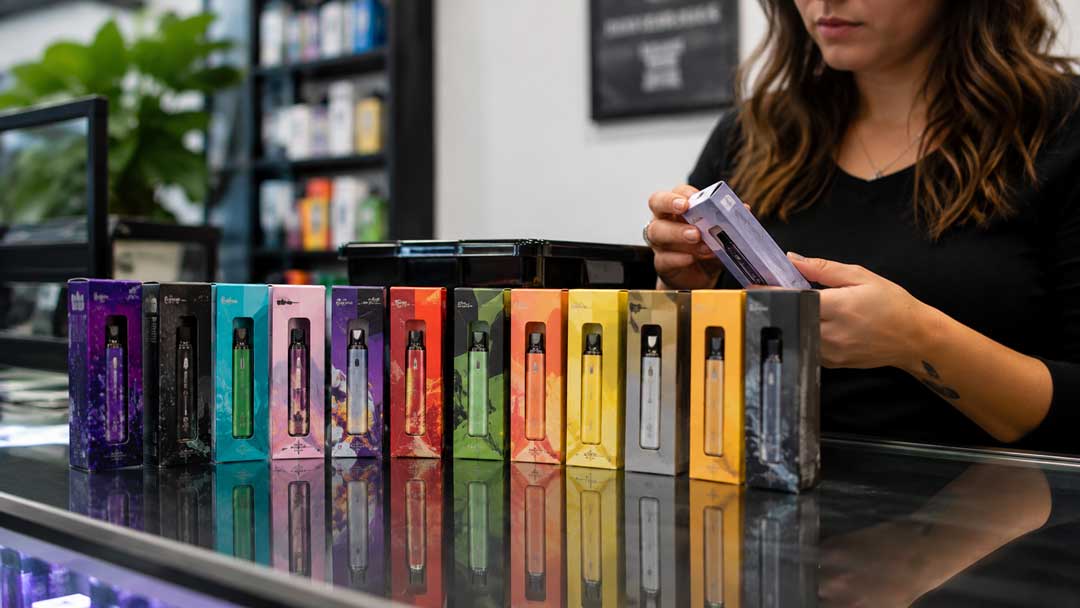
California also places limits on certain marketing practices that could appeal to underage consumers. Packaging should not be designed in a way that intentionally targets youth through imagery, branding, or promotional elements. Regulators have focused particular attention on designs that resemble candy, toys, or products commonly associated with children.
These restrictions contribute to broader public health efforts intended to reduce youth exposure to tobacco and nicotine marketing while allowing adult consumers to identify products clearly.
As regulations evolve, manufacturers continue adapting packaging designs to meet changing legal requirements.
Required Health Warnings
Health warnings are another important component of California's packaging regulations. Disposable vape products sold through legal channels must display required nicotine and health warnings in accordance with applicable federal and state requirements. These warnings are intended to provide consumers with important information regarding nicotine exposure before purchase.
The required statements are designed to be clearly visible and easily readable so consumers can review them without difficulty. Packaging may also include additional regulatory information depending on product type and current legal requirements.
Product Traceability and Batch Information
Modern packaging standards extend beyond consumer information. Traceability plays an important role in product oversight throughout the supply chain. Many regulated products include identifying information such as batch numbers, manufacturing details, or production codes. These identifiers help manufacturers, distributors, and regulators trace products if quality concerns or recalls occur.
Maintaining this information also supports inventory management and regulatory compliance throughout the distribution process. For consumers, product identification numbers can provide additional confidence that products originate from regulated manufacturing and distribution channels.
Packaging Materials and Compliance
California also regulates aspects of product packaging that relate to consumer safety and environmental considerations. Manufacturers are expected to comply with applicable laws governing packaging materials, chemical safety, and environmental requirements where applicable. These regulations continue to evolve alongside broader state initiatives addressing packaging waste and product stewardship.
Businesses selling disposable vape products should monitor regulatory updates to ensure packaging remains compliant as requirements change over time.
Why Packaging Regulations Matter
Packaging requirements serve several important purposes beyond simply presenting a product for sale. They help improve consumer awareness, support product traceability, encourage responsible marketing practices, and provide important health information before purchase. Together, these standards create greater consistency across regulated products while helping retailers and manufacturers meet their legal obligations.
For consumers, purchasing products through licensed retailers provides greater confidence that products have been packaged and labeled according to applicable regulations.
Choosing Disposable Vape Products Responsibly
As California's regulatory framework continues to evolve, consumers benefit from staying informed about current packaging requirements and purchasing products through authorized retail channels.
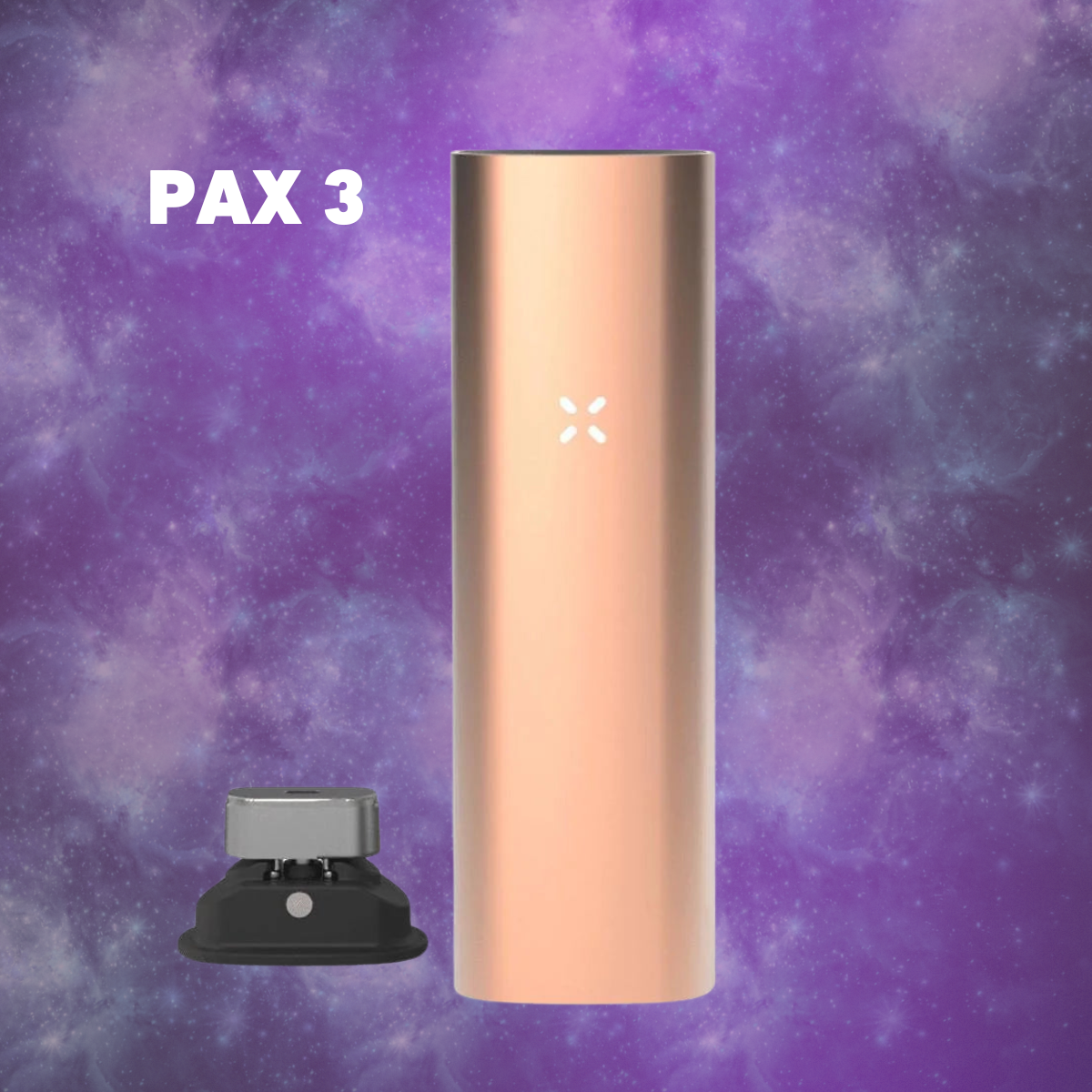
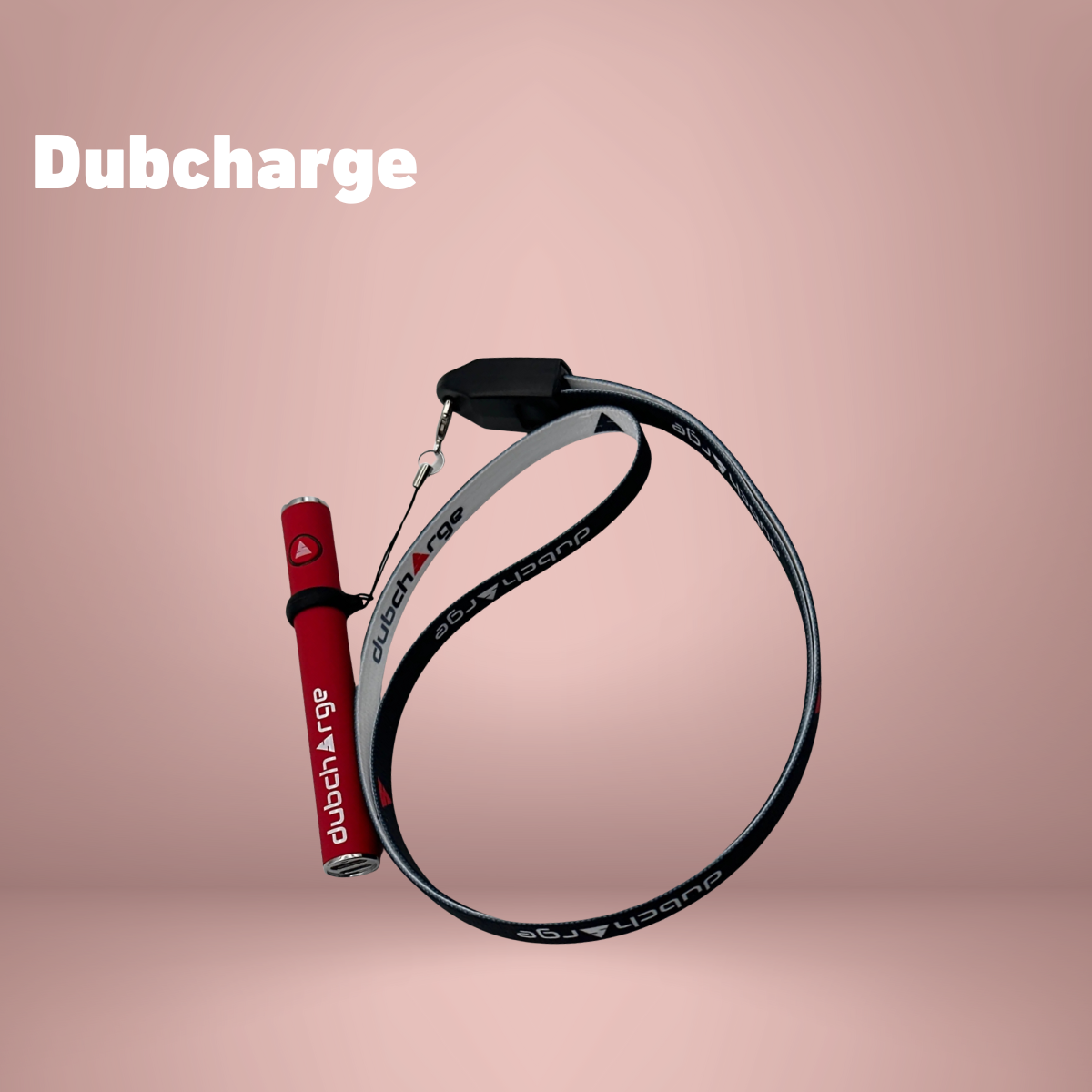
DubCharge offers a selection of disposable vape products alongside 510 thread batteries, vaporizers, and related smoking essentials for adult consumers. When shopping for vapor products, reviewing product labeling, verifying compatibility, and purchasing through legitimate retailers can help support a more informed buying experience.
Understanding California's disposable vape packaging regulations helps both businesses and consumers navigate a marketplace where product safety, transparency, and compliance continue to play an increasingly important role.



Leave a comment
This site is protected by hCaptcha and the hCaptcha Privacy Policy and Terms of Service apply.